


Marka-e-Haq anniversary: one year since Pakistan’s defining moment of truth
Twelve months after the guns fell silent on May 10, 2025, Pakistan observes Youm-e-Marka-e-Haq — a day of remembrance, reflection and renewed national resolve that carries meaning far beyond ceremony.
There are moments that arrive without warning and leave nations permanently changed. For Pakistan, the 18 days between April 22 and May 10, 2025 were exactly that. When India launched missile strikes on Pakistani soil — striking civilian areas in what Islamabad described as an unprovoked act of aggression — it triggered a sequence of events that would reshape Pakistan’s military standing, its diplomatic profile and its sense of national identity. Today, on May 10, 2026, Pakistan pauses to mark the first Marka-e-Haq anniversary — and to reckon honestly with what that moment cost, what it achieved, and what it demands going forward.
Also Read: Pakistan Fighter Jets Gain Global Attention After India Clash
What is Marka-e-Haq?
Marka-e-Haq — literally “The Battle of Truth” in Urdu — is the name Pakistan gave to the conflict that erupted following the Pahalgam incident of April 22, 2025. An attack in Indian-administered Kashmir prompted New Delhi to blame Pakistani actors. Pakistan denied involvement and called for independent international verification — a request that was never accepted. Within days, diplomatic channels had broken down. On May 7, India launched missile strikes on multiple sites inside Pakistan.
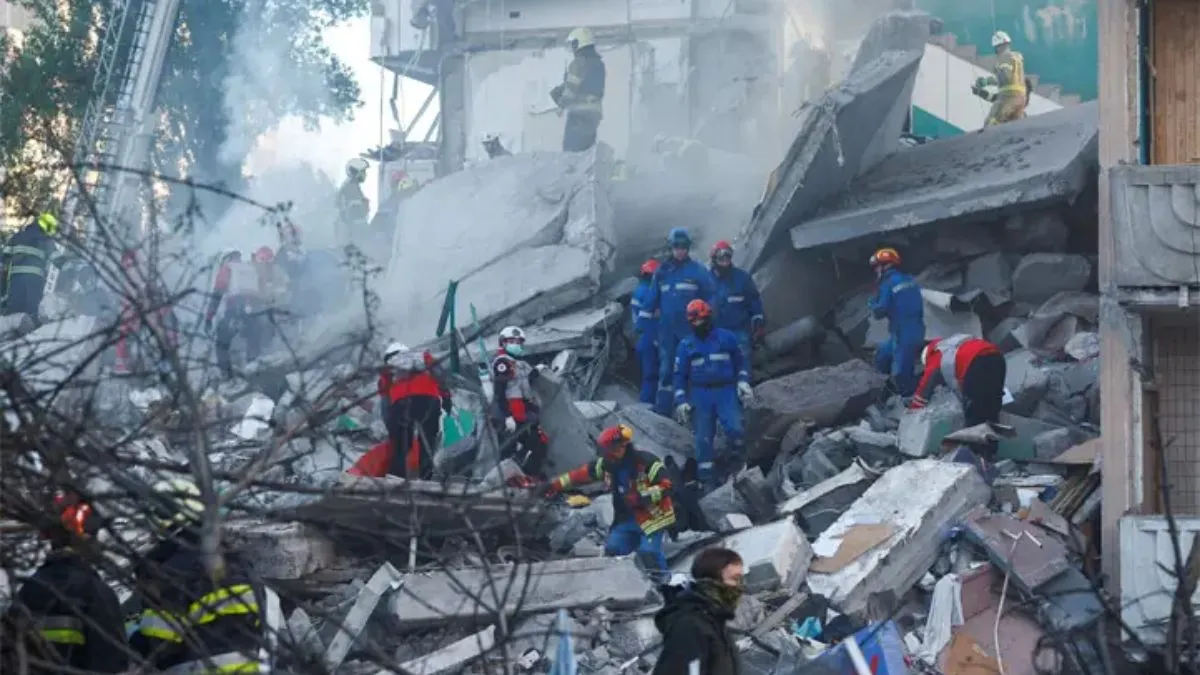
Those strikes killed 31 people and wounded 57 others, including women and children. Many of the victims were civilians with no connection to any military installation. Pakistan responded through Operation Bunyan-un-Marsoos — a coordinated, multi-domain military operation that struck Indian military targets across land, sea, air, cyber and information domains before a US-brokered ceasefire brought hostilities to a close on May 10, 2025.
“One year ago, Pakistan was put to the test — and it did not blink. The events of April and May last year were not simply a military episode. They were a moment of national reckoning.”
First Marka-e-Haq anniversary — how Pakistan is marking the day
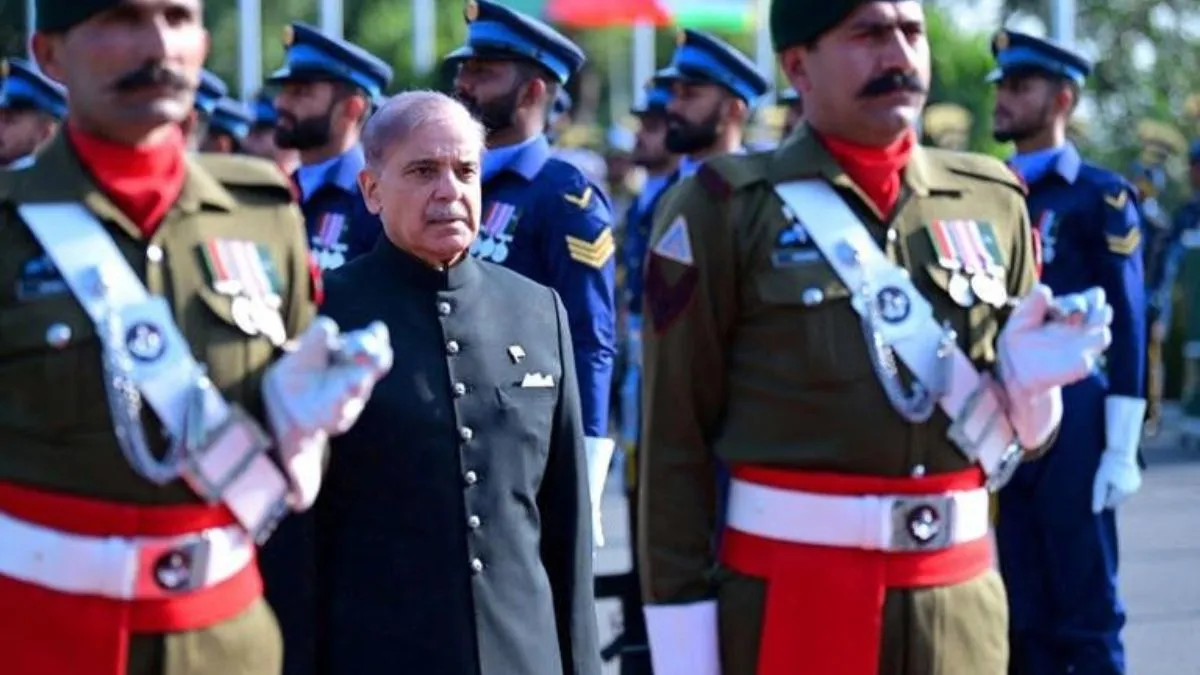
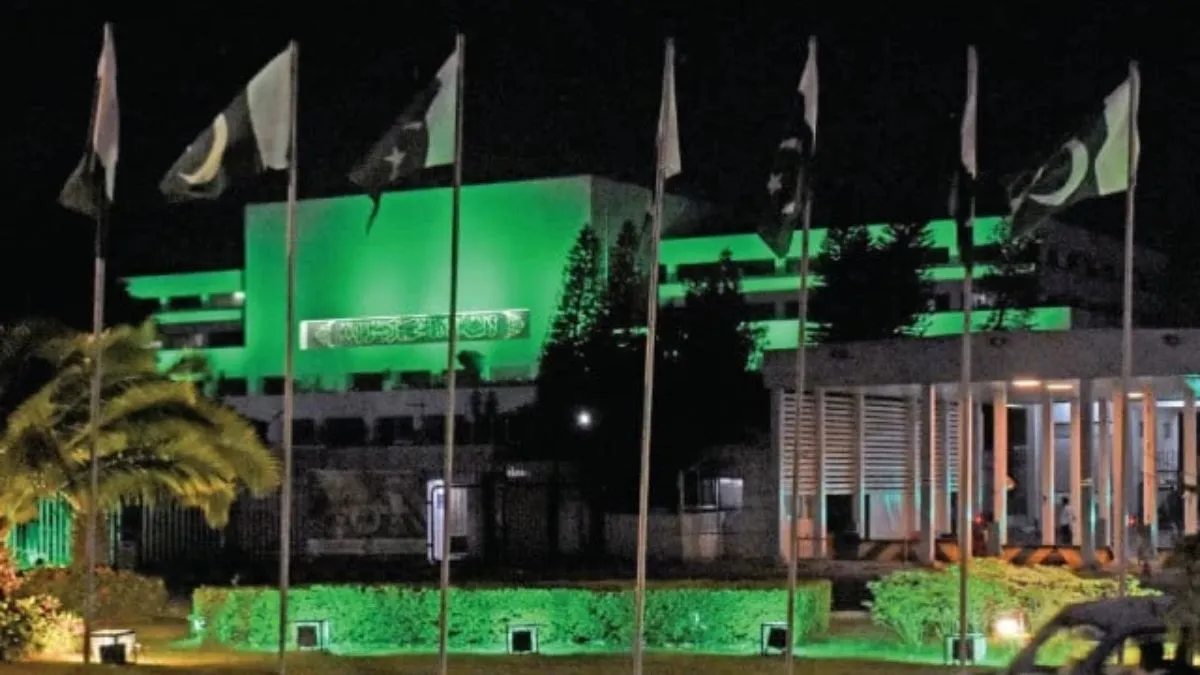
Today, Pakistan observes Youm-e-Marka-e-Haq — declared an annual national day of remembrance by Prime Minister Shehbaz Sharif on May 12, 2025 — with ceremonies, prayers and tributes held from Karachi to Khyber. The central event is taking place at General Headquarters (GHQ) in Rawalpindi, where Field Marshal Syed Asim Munir is presiding as Chief Guest. Floral wreaths are being laid at memorials for fallen soldiers across garrison cities. Special prayers are being offered in mosques and at military shrines throughout the country.
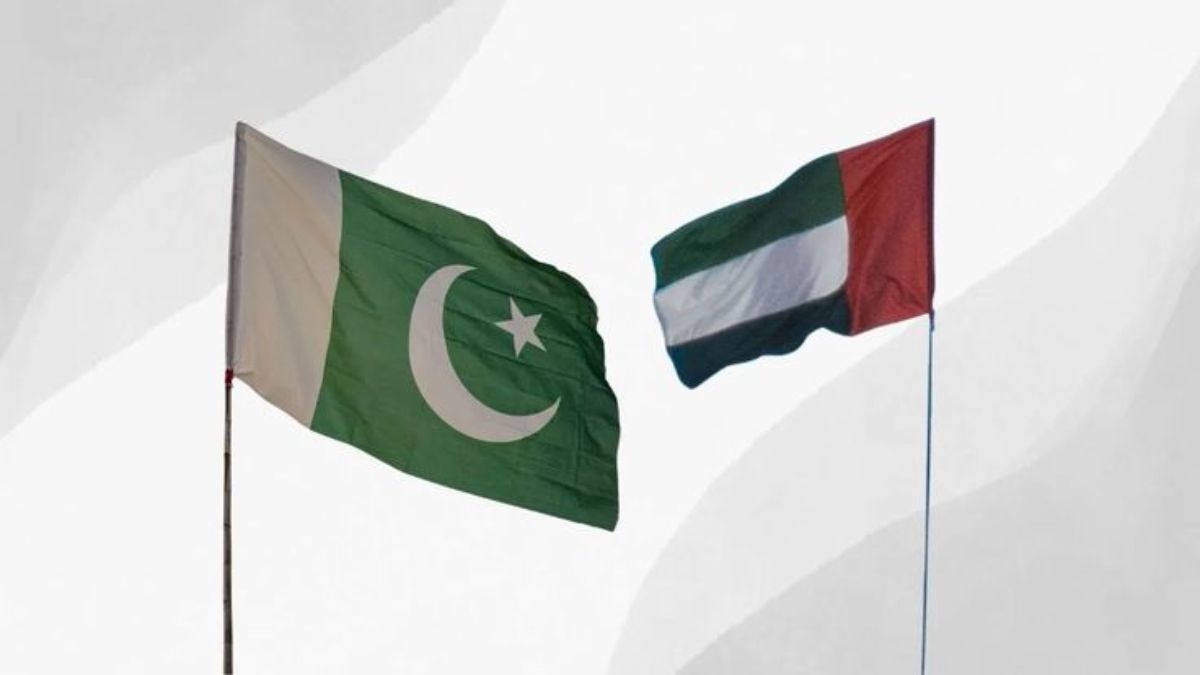
Pakistani communities abroad are participating through embassy programs and social media campaigns worldwide. In Washington, Pakistan’s Ambassador Rizwan Saeed Sheikh addressed a packed ceremony at the Pakistani Embassy, stating that India had fatally miscalculated Pakistan’s desire for peace as weakness — and had paid a heavy price for that error. Similar events are being held at Pakistani missions in London, Riyadh, Dubai, Toronto and other major cities where the overseas Pakistani diaspora gathered to commemorate the day.
Operation Bunyan-un-Marsoos — understanding the decisive response
The 88-hour operation is the military centrepiece of Marka-e-Haq and remains one of the most studied episodes in recent South Asian security history. Pakistan’s tri-service armed forces — army, navy and air force — conducted simultaneous, coordinated strikes on Indian military installations with what official statements described as high precision. The operation was notable not only for its speed but for its multi-domain character.
- Pakistani UAVs were tracked in Indian airspace at significant depth, reaching as far as the skies near New Delhi — a demonstration of reach that drew immediate international attention.
- Cyber units disrupted Indian military communication networks during the most critical phase of the operation, sowing confusion at decision-making levels.
- The JF-17 Thunder — Pakistan’s domestically developed fighter aircraft — performed in active combat conditions, drawing significant commentary from international defence analysts.
- Naval assets were deployed in the Arabian Sea, preventing India from using its western fleet without consequence.
At the same time, Pakistani forces were engaged on internal fronts — countering coordinated attacks by what the military described as Indian-backed proxy groups in Khyber Pakhtunkhwa and Balochistan. Managing simultaneous conventional and hybrid threats drew praise from security analysts who noted it reflected a higher degree of operational planning than many had expected.
Also Read: Pakistan vs India Clash in High‑Stakes Battle
“Marka-e-Haq demonstrated what Pakistan’s armed forces are capable of when the entire nation stands behind them as one — professional competence, tri-service coordination, and unbreakable resolve.”
National unity — the legacy that outlasted the conflict
Beyond the battlefield, Marka-e-Haq is remembered as a rare moment of genuine national cohesion in a country where political divisions are normally deep and loud. Pakistan’s youth, media organisations, political parties across the spectrum and civil society groups publicly rallied behind the armed forces during the conflict. Commentators drew direct parallels to Quaid-e-Azam Muhammad Ali Jinnah’s founding principles — Unity, Faith and Discipline — arguing that those values had been tested and vindicated in real conditions for the first time in a generation.
Security and political analysts note, however, that the unity of May 2025 has since faced pressure from returning economic hardship and political competition. Whether that collective spirit can be channelled into lasting institutional cohesion remains an open question — and one that Pakistan’s leadership is acutely aware of on this anniversary.
Kashmir — back on the world stage
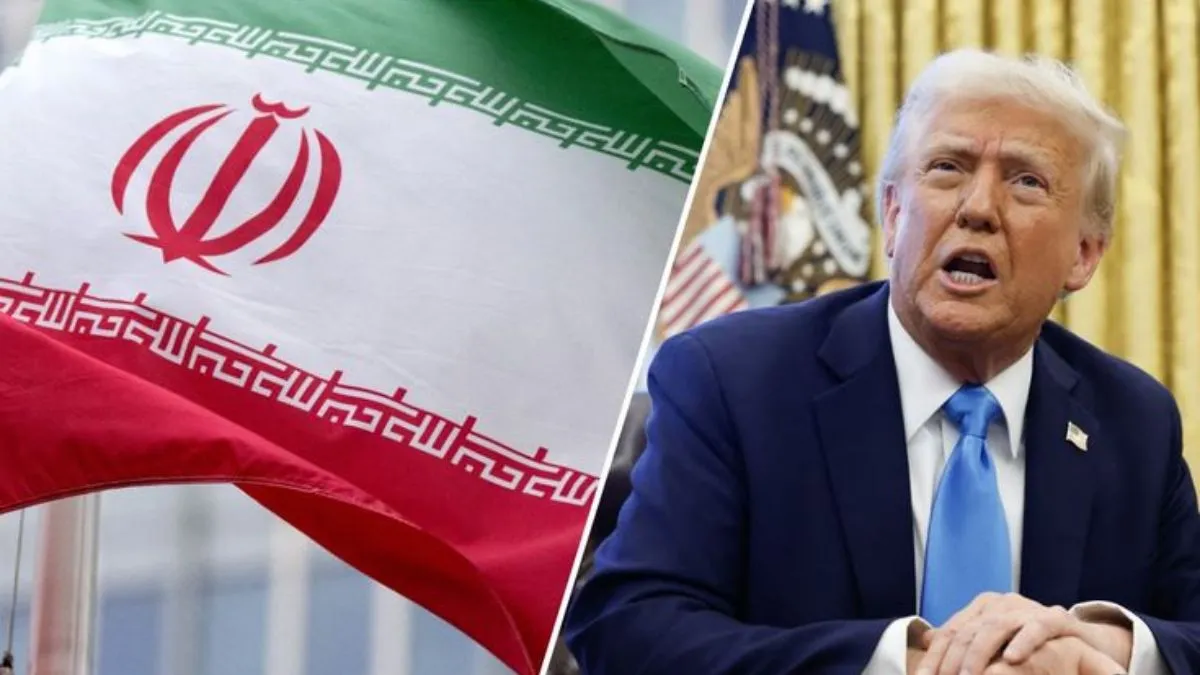
One of the most consequential diplomatic outcomes of Marka-e-Haq has been the reinternationalisation of the Kashmir dispute. For years, India had worked to frame the issue as a settled bilateral matter, closed to external involvement. The events of May 2025 shattered that framing. In the weeks following the ceasefire, then-US President Donald Trump publicly offered to mediate on Kashmir — a development Pakistani officials pointed to as a strategic gain that would not have been possible without the conflict.
Several UN Security Council members called for resumed dialogue. Pakistan’s foreign ministry has since maintained that the cause of Kashmiri self-determination — long sidelined in international forums — has found renewed momentum and a wider international audience. Analysts caution, however, that international attention on Kashmir has historically been short-lived, and that sustained diplomatic pressure will require consistent effort beyond the immediate post-conflict period.
A salute to the martyrs — the human dimension of this anniversary
Every national commemoration risks becoming an abstraction if it loses sight of the individual lives involved. The first Marka-e-Haq anniversary is, above all, a day for the families of those who did not come home. The 31 civilians killed in the Indian strikes of May 7 were not soldiers or combatants. Several were farmers, labourers and residents of border communities who woke that morning to ordinary lives and did not survive the day. Their names are being read aloud at official ceremonies. Their families are present at state events — recognised, honoured and, in some cases, still waiting for a grief that has not fully arrived.
Also Read: Islamabad Mosque Blast Kills Over 30 During Prayers
Military personnel who died during Operation Bunyan-un-Marsoos are being honoured at garrison memorials. Pakistan’s military leadership has described them as the foundation upon which the victory rests — and on Youm-e-Marka-e-Haq, the nation renews its pledge to honour their sacrifice by remaining vigilant, united and prepared.
What this anniversary means — and what it leaves unresolved
Pakistan marks this first anniversary from a position of greater military credibility and improved diplomatic standing than it held a year ago. Operation Bunyan-un-Marsoos demonstrated operational capability across multiple domains, the ceasefire was secured on terms Pakistan regarded as favourable, and the Kashmir issue has regained international visibility. These are real outcomes, not merely rhetorical ones.
But the underlying causes of the conflict remain entirely intact. The Kashmir dispute is unresolved. The Line of Control is not quieter. The absence of reliable back-channel communication between Islamabad and New Delhi — which nearly allowed miscalculation to spiral into catastrophe — has not been addressed. India has maintained official silence on the specifics of the conflict, publishing no confirmed casualty figures and offering no public account of the operation’s impact on its military infrastructure.
What Marka-e-Haq ultimately teaches Pakistan — and the wider region — is that deterrence is not a permanent condition. It has to be maintained, reinforced and, where possible, supplemented by genuine dialogue. The courage of May 2025 is worth commemorating. The work it leaves unfinished is worth taking seriously. Youm-e-Marka-e-Haq, at its best, is not just a day of pride — it is a day of purpose.