






FIFA World Cup 2026 Official Album: Shakira, Burna Boy, and a Soundtrack Built for the Whole World
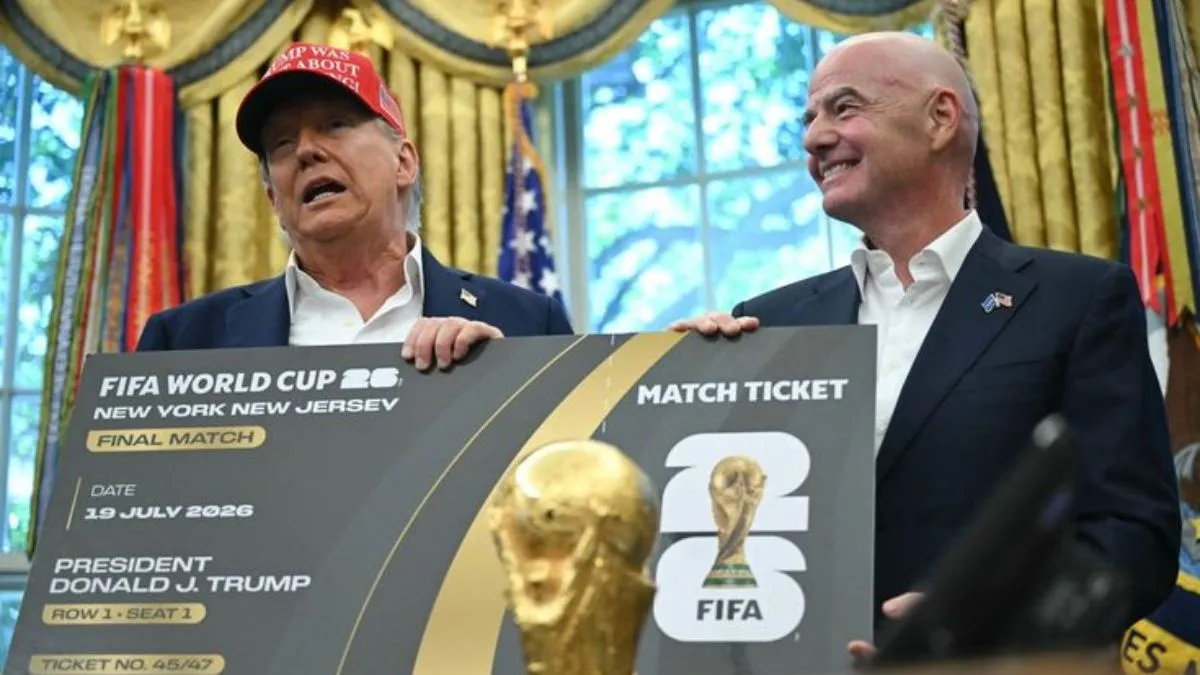
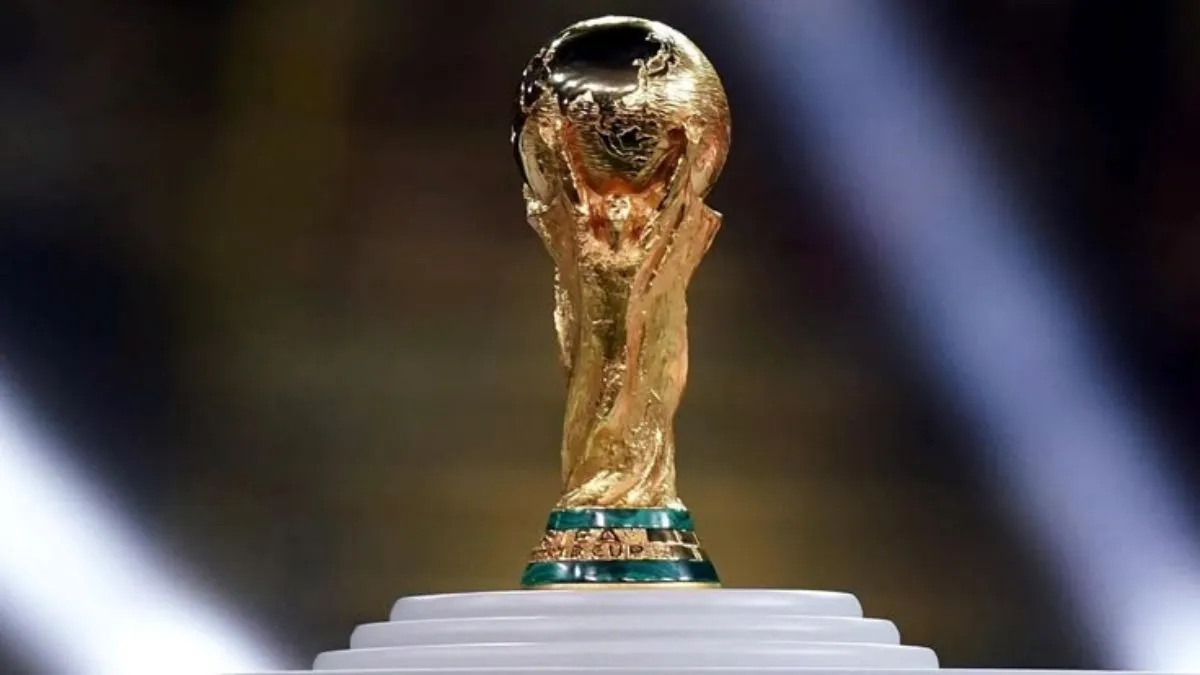
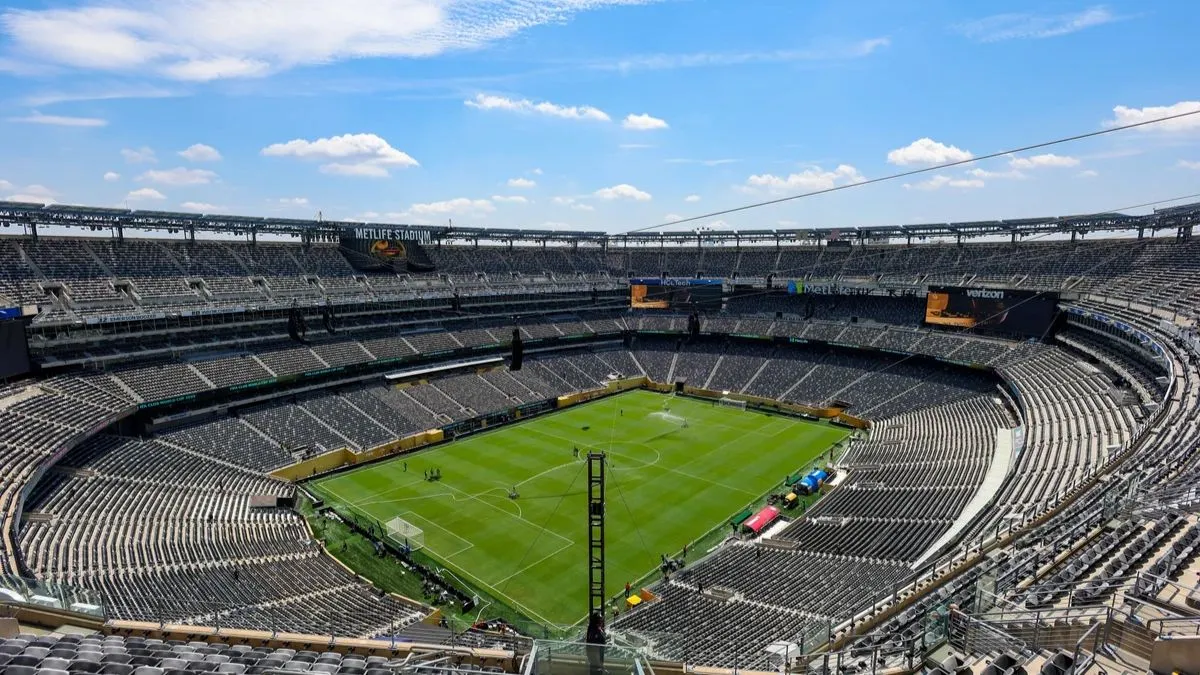
The countdown to football’s biggest stage is now inseparable from a soundtrack designed to match it. The FIFA World Cup 2026 Official Album — released under the FIFA Sound label — is shaping up to be the most ambitious music project in the tournament’s history, drawing together artists from Latin America, West Africa, the Caribbean, the Middle East, and North America. With the tournament opening in Mexico City on June 11 and the final set for New Jersey on July 19, FIFA has been rolling out tracks since March in a carefully staged campaign that mirrors the build-up of the competition itself.
What Is the FIFA World Cup 2026 Official Album?
Unlike the approach taken at the 2018 World Cup in Russia — where a single official song was designated — FIFA adopted a full multi-track album format for Qatar 2022 and has doubled down on that model for 2026. Rather than releasing a standalone single, FIFA has chosen to produce a comprehensive album, with the main theme and multiple artist collaborations making up the full release.
Also Read: When Will FIFA World Cup 2026 Start? Full Guide for Fans
The compilation is being released under the FIFA Sound label, with distribution handled across several major imprints including Universal Arabic, Republic, SALXCO, and Def Jam Recordings. The project was recorded between 2023 and 2026, and its scope reflects the scale of a 48-team tournament being co-hosted by three nations for the first time in World Cup history.
According to FIFA President Gianni Infantino, “The FIFA World Cup is one of the rare moments when the entire world moves to the same rhythm. The Official FIFA World Cup 2026 Album is not simply a musical accompaniment to the tournament; it’s a statement about where the global game is going.”
“Dai Dai” — The Official Anthem by Shakira and Burna Boy
The centrepiece of the album is its lead anthem. The official song, titled “Dai Dai” and performed by Shakira and Burna Boy, was released on May 15, 2026, through Ace Entertainment and Sony Music Latin.
The pairing is one of the most strategically calculated in World Cup music history. Shakira is no stranger to this moment — she performed a version of “Hips Don’t Lie” at the 2006 World Cup closing ceremony, delivered “Waka Waka (This Time for Africa)” at the 2010 final in South Africa, and featured on the official 2014 album with “La La La (Brazil 2014).” “Dai Dai” marks her fourth song associated with a World Cup.
Burna Boy brings an equally formidable profile to the collaboration. The Nigerian singer is widely credited with bringing Afrobeats to mainstream international audiences. He became the first solo Nigerian artist to win a Grammy Award — for best global music album in 2021 — and in 2023 became the first African artist to sell out a U.S. stadium, performing at New York’s Citi Field.
FIFA stated that “Dai Dai” captures the energy, passion and global spirit of the tournament, and announced that royalties from the song will support the FIFA Global Citizen Education Fund.
Music academics have noted the deliberate cultural calculation behind the pairing. Brent Keogh, a lecturer in music and sound design at the University of Technology Sydney, told NPR that Shakira is skilled at incorporating elements from other cultures and packaging them into global pop. A separate analyst noted that the collaboration was purposefully designed to appeal to large audiences across both Latin populations and sub-Saharan Africa.
Track by Track: Every Song on the FIFA World Cup 2026 Official Album
FIFA released the FIFA Sound album’s tracks in phases, beginning in March 2026, with each drop timed to build momentum toward the June 11 opener. Here is the confirmed tracklist so far:
Track 1 — Official FIFA World Cup 2026 Theme
The album opens with an instrumental theme composed by Zachary Aaron Golden, clocking in at two minutes and two seconds. Understated but purposeful, it serves as the sonic identity of the tournament itself, the piece you’ll hear in broadcast packages and stadium build-ups throughout the summer.
Track 2 — “Lighter” | Jelly Roll & Carín León (produced by Cirkut)
Released on March 20, 2026, “Lighter” was the first single from the album and came accompanied by a music video. It brought together artists representing all three host nations — Jelly Roll from the United States, Carín León from Mexico, and Cirkut, the Canadian producer who won the Grammy Award for Producer of the Year (Non-Classical) at the 2026 ceremony — and was released via Def Jam Recordings.
The track made a clear opening statement about the album’s philosophy: the host nations would be represented not as an afterthought, but as its foundation.
Track 3 — “Por Ella” | Belinda & Los Ángeles Azules
The second single, “Por Ella,” features Mexican pop artist Belinda alongside Los Ángeles Azules, the iconic cumbia band from Mexico City, and was released on April 14, 2026, with a music video. The combination of a contemporary pop voice with a beloved roots act signalled FIFA’s intent to bridge generational and regional audiences within Mexico.
Track 4 — “Echo” | Daddy Yankee & Shenseea
The third single, “Echo,” pairs reggaeton legend Daddy Yankee with Jamaican singer Shenseea, and was released on April 28, 2026. It was a reunion of sorts for fans of Caribbean music — Daddy Yankee, who famously retired from music in 2022, returned for the occasion. The collaboration represents two distinct strands of Caribbean influence: the Latin urban tradition and the dancehall lineage.
Track 5 — “Illuminate” | Jessie Reyez & Elyanna (produced by Cirkut)
The fourth single, “Illuminate,” takes a more intimate and atmospheric direction compared to the stadium energy of its predecessors. Produced by Cirkut, the track blends alternative R&B, global pop, and Middle Eastern musical influences.
Elyanna has earned international recognition for weaving Arabic melodies into Latin and Western pop, while Jessie Reyez — a Colombian-Canadian artist — brings her signature emotionally raw vocal style to the collaboration. Reyez is donating her artist fee from the song to charitable causes, and Elyanna plans to direct her proceeds toward initiatives connected to the tournament’s global moment.
Track 6 — “Dai Dai” | Shakira & Burna Boy
The official anthem occupies the sixth position on the album, serving as both its emotional and commercial centrepiece.
Track 7 — “Desire” | Robbie Williams & Nicole Scherzinger
One of the earlier additions to the album, “Desire” by Robbie Williams and Nicole Scherzinger made its debut at the FIFA World Cup 2026 Final Draw in December 2025. The collaboration between two of the biggest British-rooted pop names of the past two decades added a distinctly Western pop flavour to the album’s increasingly global roster.
Album Still Growing: What’s Coming Before June 11
As of mid-May 2026, the FIFA World Cup 2026 Official Album is not yet complete. FIFA has confirmed that additional singles and the full album will be released ahead of the opening match in Mexico City on June 11, 2026.
Also Read: FIFA World Cup 2026 Extreme Weather Fears: Scientists Warn
Industry tracking has surfaced an ASCAP registration for a track tentatively titled “Goals,” credited to LISA (of BLACKPINK), Anitta, Rema, and Brazilian production duo Tropkillaz. The track has been widely reported as part of the official album, though FIFA has not formally confirmed it at the time of writing. If confirmed, it would bring together K-pop, Brazilian funk, and Afrobeats under one World Cup track — arguably the most genre-diverse collaboration on the album to date.
The album’s creative direction has been shaped significantly by RedOne — the Moroccan-Swedish producer and Dubai resident whose full name is Nadir Khayat. As FIFA’s creative entertainment executive, RedOne has been closely involved in the organisation’s tournament music since Qatar 2022 and is widely credited with steering the 2026 album’s strategy of broad cultural inclusion.
FIFA has not announced a final release date for the complete album, but the pattern of drops — one major single every two to three weeks since March — suggests further announcements are imminent as the June 11 kickoff approaches. Readers checking for the latest additions should visit FIFA’s official website or streaming platforms for real-time updates.
The Bigger Musical Universe: FIFA World Cup 2026 Music Beyond the Album
The official album is only one piece of FIFA’s broader World Cup 2026 soundtrack strategy. Shakira, Madonna, and BTS will headline the first-ever halftime show at a World Cup Final, scheduled for July 19 in New Jersey — and “Dai Dai” is widely expected to feature prominently in that performance. The FIFA World Cup 2026 music programme extends well beyond streaming platforms, into stadiums, fan zones, opening ceremonies, and broadcast packages across all 16 host cities.
At the same time, music analysts are quick to point out that FIFA’s curated selections rarely tell the whole story of what ends up defining a tournament sonically. Musicologist Herrera noted there is always a tension between the official songs FIFA is presenting and what crowds organically bring into the atmosphere. “You have a bunch of songs and it’s always a little unpredictable to know which one is going to be the hit,” he explained.
That tension is part of what makes World Cup music culture so compelling. Unofficial anthems in specific countries — bespoke tracks made for national teams in Colombia, Argentina, Morocco — often resonate more deeply with local fans than anything on the official playlist.
A Philanthropic Thread Running Through the Music
One element that distinguishes this year’s album is its explicit link to charitable causes. The FIFA Global Citizen Education Fund is being supported through multiple channels connected to the tournament’s music: royalties from “Dai Dai,” artist fees donated by performers like Jessie Reyez, and a $1 donation from every match ticket sold during the tournament. The fund had already surpassed $30 million raised ahead of the tournament’s opening. Its goal is to raise $100 million to expand access to quality education and football opportunities for children worldwide.
Why the FIFA World Cup 2026 Official Album Matters
What FIFA has assembled here is genuinely unusual for a sporting event. This is not a marketing exercise dressed up as an album. The deliberate inclusion of Afrobeats, cumbia, reggaeton, dancehall, alternative R&B, and Middle Eastern pop within a single release reflects both commercial intelligence and something more interesting — a recognition that football’s global audience can no longer be addressed through a single cultural language.
The 48-team expansion of the 2026 World Cup brings in more nations and more fans from more regions than any previous edition. The music is trying to meet that diversity head on. Whether the album produces a truly transcendent, era-defining track — the kind that becomes permanently lodged in collective memory the way “Waka Waka” did in 2010 — remains to be seen. But as a document of where popular music and global sport intersect in 2026, the FIFA World Cup 2026 Official Album is already one of the more thoughtful attempts to soundtrack a moment of this scale.
The full album is expected to be complete ahead of the opening match in Mexico City on June 11, 2026.