




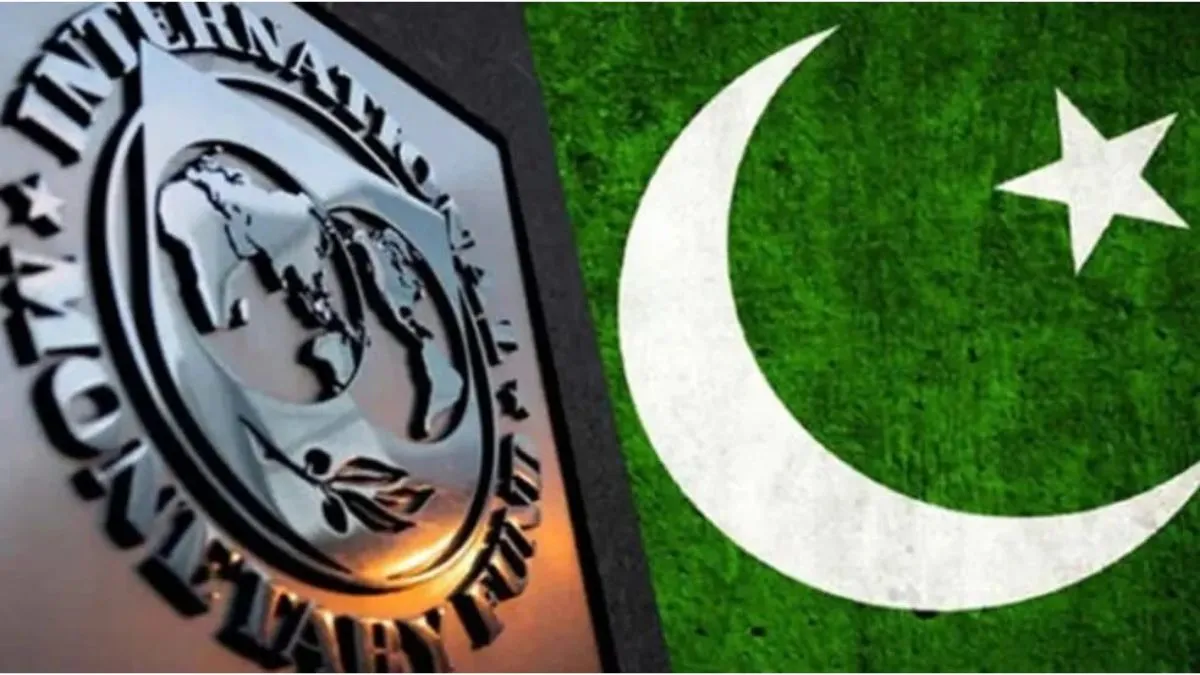
IMF Loan Pakistan 2026: $1.2 Billion Approved Amid Strict Conditions
The International Monetary Fund (IMF) has officially approved a $1.2 billion IMF loan for Pakistan in 2026, providing critical financial support to the country’s fragile economy. The IMF Executive Board cleared the funding on May 8, 2026, during a meeting in Washington — bringing Pakistan’s total drawings under the current programme to approximately $4.5 billion.
Also Read: IMF Tax Pressure Rises as Pakistan Tax Revenue Shortfall
Loan breakdown
The $1.2 billion package consists of two separate facilities:
Extended Fund Facility (EFF)
$1 billion Balance of payment
Resilience and Sustainability Facility (RSF)
$210 million Climate finance
The EFF funds will be used for balance of payment support, while the RSF tranche is tied to climate-related reforms including green taxonomy adoption and climate risk disclosures by listed companies.
Why Pakistan needed this loan
Pakistan has faced serious economic headwinds since 2022, including depleting foreign exchange reserves, high inflation, weak FBR tax collection, energy sector losses, and a mounting debt burden. The IMF loan Pakistan 2026 is part of a larger $7 billion bailout package first approved in September 2024. This latest approval marks the successful completion of Pakistan’s third review under the EFF programme.
Key IMF Loan Pakistan 2026 conditions
The approval came with nearly a dozen new conditions on top of the 75+ already in place. Major commitments include:
Maintain a primary budget surplus of 1.6% of GDP for FY26, rising to 2% in FY27
Regular electricity and gas price adjustments; phase out untargeted residential subsidies by January 2027
Broaden tax base via FBR reforms, digital invoicing, and enhanced audits
State Bank to keep inflation at 7.5%; interest rate at 11.5% with further hikes if inflation rises
Parliament to approve FY2026-27 budget in line with IMF agreement — for the second consecutive year
Adopt green taxonomy; listed companies to disclose climate-related financial risks
Pakistan’s economic performance
Despite challenges, Pakistan met most of the IMF’s end-December 2025 targets:
- All quantitative performance criteria (end-Dec 2025)
- Net international reserves floor — outperformed
- Primary budget balance target
- FBR net tax revenue and income tax from retailers
Also Read:Bitcoin Price Falls Below $61K as Crypto Market Shakes
To compensate for the FBR shortfall, the government raised petroleum levy rates — a move that directly increases the burden on everyday consumers.
Middle East war: a risk factor
The IMF has flagged the ongoing Middle East conflict as a significant risk to Pakistan’s economic stability. Key concerns include upward pressure on inflation, a widening current account deficit, and rising oil import costs. Pakistan’s Finance Ministry has offered a more optimistic view, projecting only a 0.3% rise in inflation and 4% economic growth for the year.
Economic impact
Positive effects
Forex reserves expected to reach $17 billion
Renewed investor confidence via IMF backing
Expanded BISP coverage for vulnerable households
Negative effects
Higher electricity, gas, and petroleum prices
Tight fiscal space limits government spending
Growing public backlash over poverty and joblessness
What comes next
Pakistan has committed to several forward obligations: the FY2026-27 budget must deliver a Rs 2.84 trillion primary surplus (2% of GDP), SEZ Act amendments are due by June 2027, and the STZA Act must be reformed to shift from profit-based to cost-based incentives. Finance Minister Muhammad Aurangzeb confirmed Pakistan will stick to its reform path despite regional uncertainty.
Conclusion
The IMF Loan Pakistan 2026 is a critical lifeline — but one that comes with deep obligations. While the $1.2 billion offers near-term relief and boosts Pakistan’s credibility with global markets, the country must now deliver on more than 75 conditions while managing rising public discontent. Sustained reform, not just borrowed time, will determine whether this programme sets Pakistan on a path to lasting economic stability.