







Pakistan Condemns UAE Attack on Barakah Nuclear Plant, Stands in Full Solidarity With Abu Dhabi
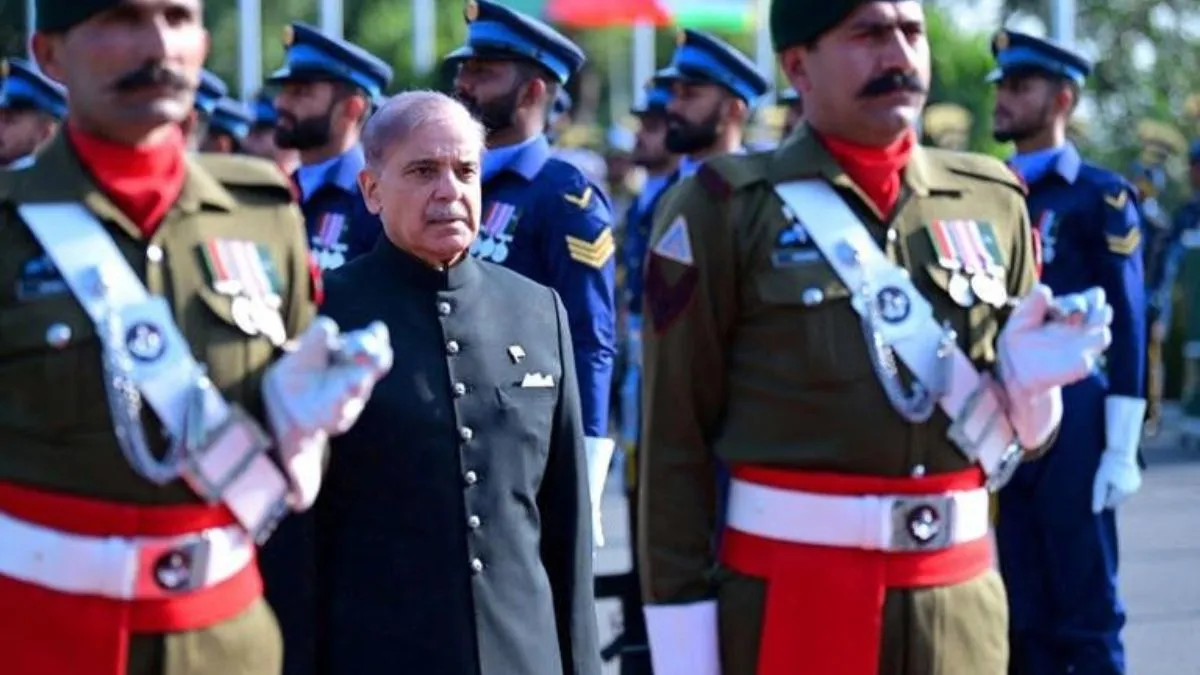
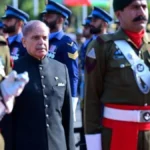
Pakistan on Monday formally condemned the drone attack on the United Arab Emirates’ Barakah Nuclear Energy Plant — joining a growing wave of international outrage over what Abu Dhabi has called an act of unprovoked terrorism. Islamabad’s Ministry of Foreign Affairs issued a clear, direct statement pledging full solidarity with the UAE and warning the world that attacking nuclear facilities is a line that must never be crossed.
Also Read: Marka-e-Haq Anniversary 2026 Pakistan — One year of historic victory
Pakistan condemns UAE attack in its strongest terms, with the foreign ministry stating: “Nuclear installations must never be targeted under any circumstances.”
The statement came less than 24 hours after a drone breached UAE airspace and struck a power generator near the Arab world’s largest nuclear power plant — an incident that has alarmed governments, nuclear watchdogs, and security experts around the globe.
What Happened at Barakah: Sunday Morning Attack
Early on Sunday morning, three unmanned aerial vehicles entered UAE airspace from the country’s western border. The UAE Ministry of Defence confirmed that its air defence systems intercepted two of the three drones successfully. The third got through — and struck an electrical generator just outside the inner perimeter of the Barakah Nuclear Energy Plant in the Al Dhafra region.
The strike caused a fire at the generator site. Emergency response teams moved quickly. No injuries were reported. The Abu Dhabi Media Office confirmed there was no impact on radiological safety at any point, and the Federal Authority for Nuclear Regulation (FANR) verified that all reactor units were operating normally. Emergency diesel generators were brought online to keep power flowing to Unit 3 of the plant while repairs were assessed.
The Barakah plant — operated by the Emirates Nuclear Energy Corporation (ENEC) — is the UAE’s single largest source of electricity. It supplies around 25% of the country’s total power needs, generates 40 terawatt hours of clean electricity annually, and prevents approximately 22.4 million tonnes of carbon emissions each year. It has been in full-fleet operation since 2025 and is considered a flagship model for civilian nuclear energy in the Arab world.
Pakistan’s Statement: Clear, Firm, and Principled
Pakistan’s foreign ministry did not mince words. In its Monday morning statement, Islamabad described the targeting of the Barakah facility as a direct threat to the UAE, to regional stability, and to the international framework that protects civilian nuclear sites from armed attack.
“Any deliberate targeting of nuclear facilities is a grave violation of international law and nuclear safety principles,” the ministry said. “Nuclear installations must never be targeted under any circumstances.”
The ministry declared Pakistan’s full solidarity with the UAE government and its people.
What makes this statement notable is the context behind it. Pakistan is itself a nuclear-armed state. It operates civilian nuclear reactors under IAEA oversight. When Islamabad speaks about the protection of nuclear facilities, it does so with the weight of a country that understands the stakes from both sides — as a nuclear power and as a nation deeply invested in the norms that keep atomic energy safe.
Pakistan and the UAE also share strong bilateral ties. Over 1.7 million Pakistanis live and work in the UAE, making it one of the largest Pakistani diaspora communities in the world. The UAE is Pakistan’s second-largest Gulf trading partner. This attack — striking at the heart of the UAE’s energy security — is not a distant event for Islamabad. It hits close to home.
UAE Calls It a “Treacherous Terrorist Attack”
The UAE government responded to Sunday’s strike with some of the strongest diplomatic language it has used in recent memory. Sheikh Abdullah bin Zayed, the country’s Deputy Prime Minister and Minister of Foreign Affairs, personally called it a “treacherous terrorist attack” in a phone call with Rafael Grossi, Director General of the International Atomic Energy Agency.
Sheikh Abdullah stressed that targeting peaceful nuclear energy facilities is a “flagrant violation of international law, the UN Charter, and humanitarian law.” He also underlined the UAE’s full right to respond to such attacks and its determination to protect its sovereignty, territorial integrity, and the safety of its citizens and residents.
The UAE Ministry of Foreign Affairs described the incident as a “dangerous escalation, an unacceptable act of aggression, and a direct threat to the country’s security.”
Investigations are currently underway to determine the source of the drones, with the UAE’s defence ministry saying further information will be released once inquiries are completed.
IAEA Issues Stark Warning to the World
The global nuclear watchdog responded with unusual urgency. IAEA Director General Rafael Grossi expressed “grave concern” over the incident and issued a warning that cut through the diplomatic noise with rare clarity.
“Military activity that threatens nuclear safety is unacceptable,” Grossi said, calling on all parties to exercise maximum military restraint near any nuclear power plant to avoid the danger of a nuclear accident.
The IAEA confirmed it was monitoring the situation in real time and remained in constant contact with UAE authorities, ready to provide assistance if needed. It verified that radiation levels at Barakah remained completely normal throughout the incident.
This is not routine bureaucratic language. The IAEA’s direct, public intervention signals just how seriously the international nuclear safety community is taking this strike — even though the reactor core itself was not hit. Reaching the outer grounds of a nuclear facility is, by itself, a red line that most of the world had assumed would hold.
Who Launched the Attack? No Claim, Investigation Ongoing
No group has claimed responsibility for Sunday’s drone strike. The UAE’s defence ministry is investigating, and officials have declined to formally attribute blame while that process continues.
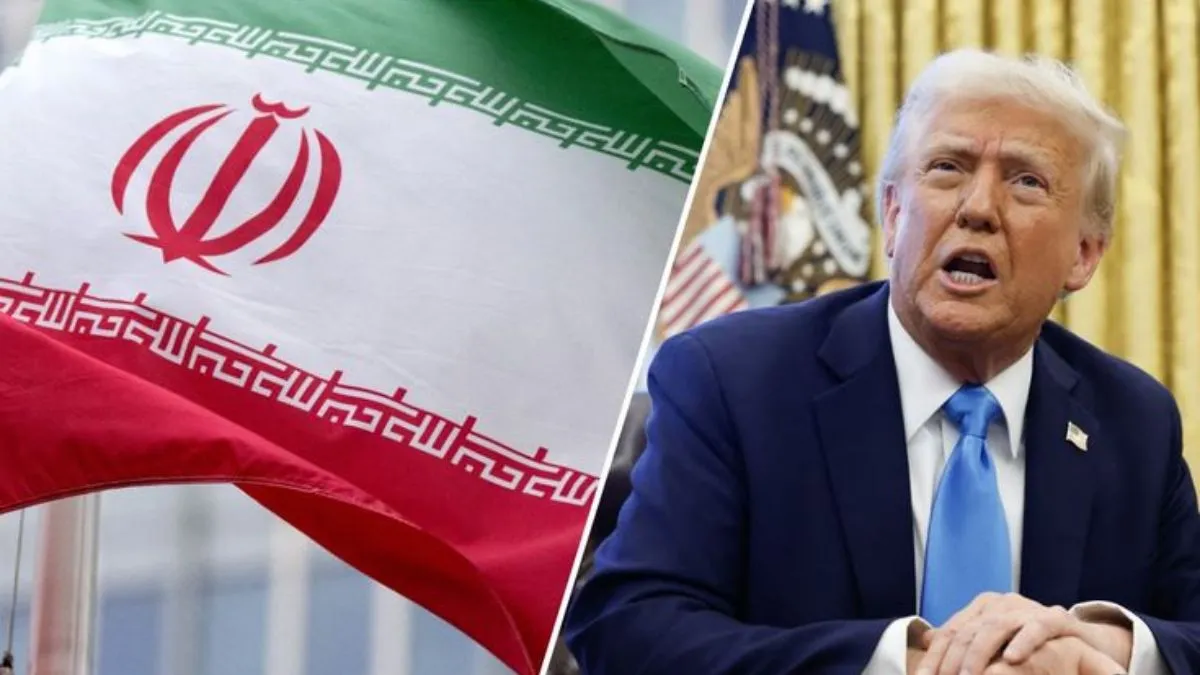
However, context matters here. The drones entered from the UAE’s western border — a direction that complicates easy attribution and has prompted questions among regional security analysts about the precise launch point. The UAE has faced a series of drone and missile attacks since the United States and Israel began military operations against Iran in late February 2026. Even after a ceasefire was announced in April, the attacks did not stop.
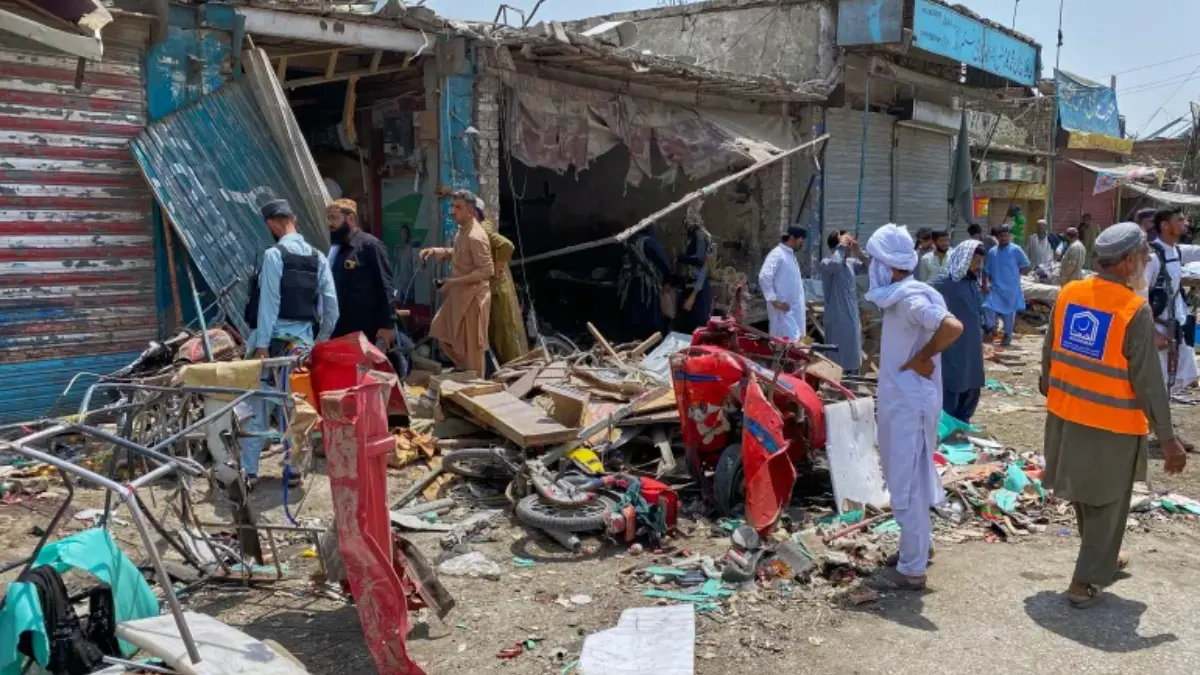
Also Read: Lakki Marwat Market Blast Kills Nine at Pakistan Market
Two sources cited by The Jerusalem Post said the strike was deliberately designed to “send a message” — specifically, that the actors behind it could target the nuclear reactor itself if they chose to escalate further. One source described the drone as having hit a facility energy supplier to deliver exactly that signal.
The UAE has not directly blamed Iran for this specific incident. But officials have previously cited nearly 3,000 ballistic missiles, cruise missiles, and drones fired at the country and across the region in the context of the ongoing Iran-linked conflict. The pattern is difficult to ignore.
Global Condemnation: Who Has Spoken Out
By Sunday evening, a broad coalition of nations had issued condemnations:
| Country | Statement Summary |
|---|---|
| 🇵🇰 Pakistan | Full solidarity with UAE; nuclear facilities must never be targeted |
| 🇸🇦 Saudi Arabia | Condemned attack; called it threat to regional stability |
| 🇶🇦 Qatar | Called it a “flagrant violation of international law” |
| 🇰🇼 Kuwait | Described it as a “blatant violation of UAE sovereignty” |
| 🇯🇴 Jordan | Condemned attack on territorial integrity and stability of UAE |
| 🇧🇭 Bahrain | Expressed full solidarity with UAE |
| 🇪🇬 Egypt | Strongly condemned terrorist targeting of Barakah facility |
The breadth of condemnation — from Gulf neighbours to South Asian allies — reflects the shared understanding that an attack on a civilian nuclear plant anywhere is a threat to nuclear safety everywhere.
Why This Matters: A Dangerous New Line Has Been Crossed
Even with no radiological impact and no casualties, Sunday’s attack on Barakah is significant for reasons that go beyond the immediate incident.
First, it is the first known drone strike to physically reach the grounds of a functioning Arab nuclear power plant. That alone changes the security calculus for every nuclear facility in the region — and potentially beyond it.
Second, it demonstrates that even sophisticated, layered air defence systems cannot guarantee a 100% intercept rate when multiple drones are deployed simultaneously. Two of three were stopped. The third was not.
Third, it sets a precedent. If this attack passes without firm consequences, it may invite more. The IAEA’s intervention, Pakistan’s statement, and the broad international condemnation are all attempts — in their different ways — to make clear that this is not acceptable and will not be treated as normal.
For the UAE, the Barakah plant is not just a power station. It is a symbol of the country’s ambition, its modernity, and its vision for a post-oil future. An attack on it carries a meaning far greater than the physical damage inflicted.
Conclusion: Pakistan Condemns UAE Attack — and Means It
Pakistan condemns UAE attack on the Barakah nuclear plant is not a formality. It is a clear signal from a nuclear-armed nation that the rules protecting civilian atomic infrastructure are non-negotiable — and that Islamabad will say so publicly, even when regional politics are complicated.
As investigations continue and the world waits to see whether the UAE will retaliate or seek a diplomatic resolution, one thing is already certain: Sunday’s drone strike has changed the conversation about nuclear security in the Middle East. The question now is whether the international community’s condemnation translates into real consequences — or whether strongly-worded statements are all that follow.
The world is watching. Pakistan has made its position clear.