



Trump Rejects Iran Ceasefire Proposal, Calls Tehran’s Response ‘Totally Unacceptable’ as Peace Talks Collapse Again
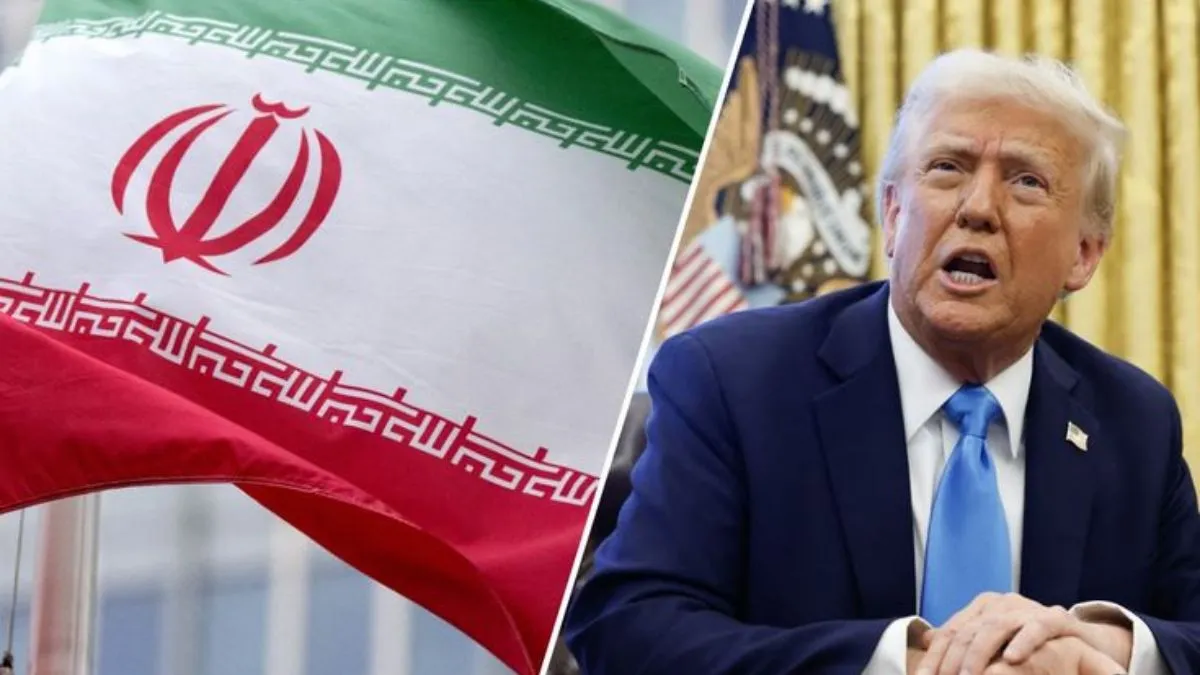
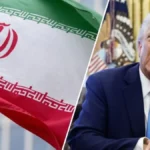
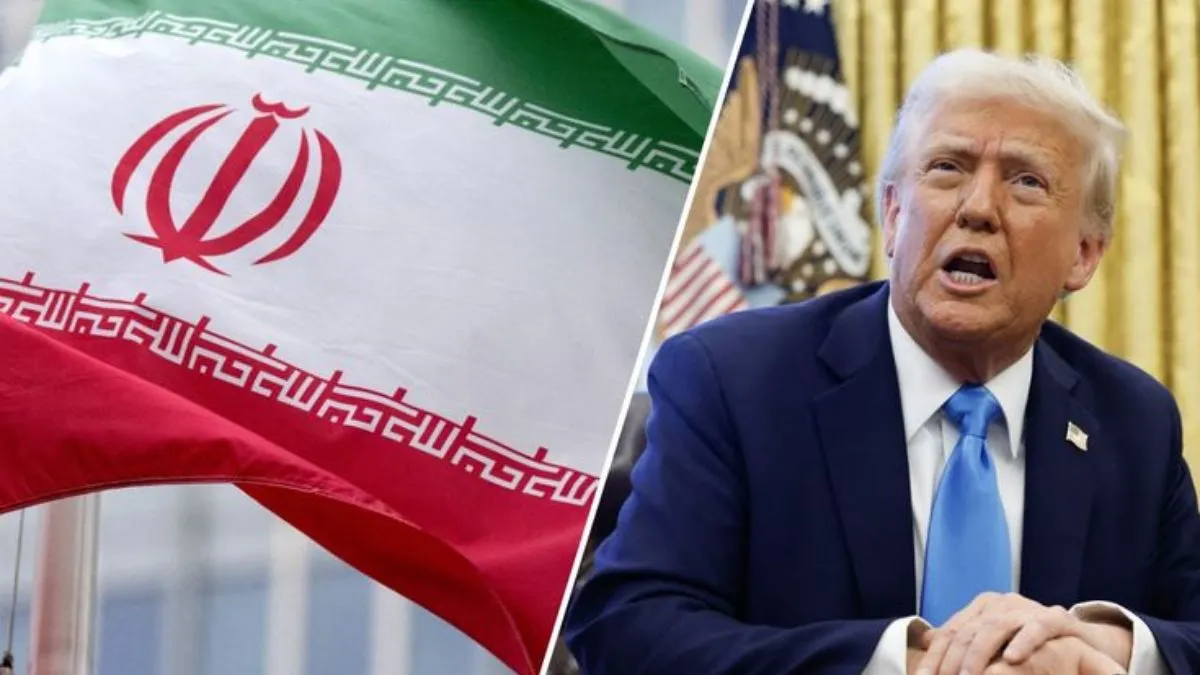
President Donald Trump Rejects Iran Ceasefire Proposal once again, dismissing Tehran’s latest written response to American peace terms as “TOTALLY UNACCEPTABLE” in a post on Truth Social Sunday afternoon — a stark declaration that dashed the brief optimism sparked when Iran submitted its counter-offer through Pakistani mediators earlier in the day. The breakdown marks the latest stumble in a diplomatic effort that has gone in circles for weeks, even as the humanitarian and economic consequences of the conflict pile up across the globe.
Also Read: Pam Bondi Strongly Defends Record in Epstein Hearing
The president was unsparing in his language. “I have just read the response from Iran’s so-called ‘Representatives,'” Trump wrote. “I don’t like it.” He offered no specifics on which elements of the Iranian counter-offer he found objectionable. Earlier in the day, before Iran’s formal response arrived, he had already been in a combative mood, accusing Tehran of “playing games with the United States, and the rest of the World, for 47 years (DELAY, DELAY, DELAY!),” adding ominously that Iran “will be laughing no longer.”
What Trump Rejects — and What Iran Actually Proposed
Understanding the current impasse requires knowing what each side is actually asking for. The United States entered this negotiation with a clear, if ambitious, set of demands: Iran must reopen the Strait of Hormuz to commercial shipping, dismantle or significantly curtail its nuclear enrichment program, surrender its existing stockpile of highly enriched uranium, and end support for proxy forces — including Hezbollah in Lebanon. The American framework, according to sources familiar with a one-page draft memorandum circulating internally, envisions a 30-day resolution period following a mutual declaration of ceasefire, during which nuclear and economic issues would be worked out in detail.
“We will never bow our heads before the enemy, and if talk of dialogue or negotiation arises, it does not mean surrender or retreat. Rather, the goal is to uphold the rights of the Iranian nation.”— Iranian President Masoud Pezeshkian, via social media post on Sunday
Trump Rejects Iran Ceasefire Proposal — But Diplomacy Isn’t Fully Dead, Yet
Despite the heated public posturing, senior American officials have been careful to leave a diplomatic door at least partially open. U.S. Ambassador to the United Nations Mike Waltz, appearing on Fox News Sunday, struck a notably different tone from the president’s social media posts. “President Trump is giving diplomacy every chance we possibly can before going back to hostilities,” Waltz said, adding that the U.S. proposal included a “very clear red line” — namely that Iran will never be permitted to obtain a nuclear weapon and cannot continue holding global energy markets hostage.
Israeli Prime Minister Benjamin Netanyahu, who spoke with Trump by phone Sunday evening as Iran submitted its response, told CBS News in an interview scheduled to air the same day that there is “work to be done” on Iran. He also confirmed that Trump had explicitly agreed with him on the importance of removing Tehran’s stockpile of highly enriched uranium from the country. Separately, Netanyahu sparked some attention by announcing he wants to eventually reduce U.S. military aid from roughly $3.8 billion annually to zero — a sign that even America’s closest regional ally is eyeing a post-conflict posture, even if that conflict has no clear end in sight.
Russian President Vladimir Putin added another diplomatic variable to an already crowded chessboard, reiterating on Saturday that Moscow’s standing offer to take Iran’s enriched uranium as part of a negotiated settlement remains on the table. The IAEA director-general told the Associated Press last month that the bulk of Iran’s highly enriched uranium stockpile is believed to be at the Isfahan nuclear complex.
The Strait of Hormuz: A Waterway the World Cannot Afford to Lose
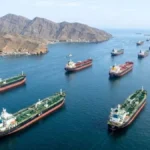
Much of what makes this conflict so consequential for ordinary people far from the Persian Gulf comes down to one narrow passage of water. The Strait of Hormuz, roughly 33 kilometers wide at its narrowest point, is the artery through which approximately 20 percent of the world’s oil supply flows. Since Iran moved to block the strait in early March 2026 following the start of U.S. and Israeli strikes, the disruption to global energy markets has been severe by any historical measure.
The head of the International Energy Agency has described the situation as the “greatest global energy security challenge in history” — a striking assessment from an institution that has witnessed every major energy shock of the past half century. Brent crude futures surged past $126 a barrel in recent days before settling somewhat on hopes that a deal might be imminent; on Sunday, following Trump’s rejection, prices rose again — Brent climbing 3.17 percent to $104.50 a barrel, with U.S. crude up a similar margin at roughly $98.48.
The U.S. military has responded to Iran’s blockade with its own counter-blockade of Iranian ports since April 13, having turned back 61 commercial vessels and disabled four as of this weekend. That reciprocal action, while intended to pressure Tehran, has also complicated the path to a deal, since Iran has explicitly made the lifting of the U.S. port blockade a precondition for any serious negotiation on reopening Hormuz. “Tehran has refused to reopen the Strait of Hormuz unless the U.S. lifts its blockade of Iranian ports,” CNBC reported, citing officials familiar with the talks — a dynamic that has locked both sides into a mutual-hostage situation that neither can walk away from without appearing to capitulate.
Global Fallout: From Empty Gas Stations to Food Shortages
The consequences of the prolonged closure have radiated outward in ways that are now affecting daily life across multiple continents. Countries in Asia, which depend on Persian Gulf oil and Qatari LNG for the bulk of their energy needs, have been hit hardest. China, India, Japan, and South Korea together account for roughly 75 percent of oil and 59 percent of LNG exports that pass through the strait. Pakistan, Bangladesh, and Vietnam face acute fuel shortages, while even relatively well-stocked economies like Australia and India are contending with panic buying at petrol stations.
The British Food Policy Institute has warned of long-term inflation in food prices, citing disruption to the global fertilizer trade — more than 30 percent of the world’s urea, derived from natural gas and used in crop production, is exported from Gulf states through the Strait of Hormuz. The intersection of energy shock, food supply disruption, and currency volatility has economists increasingly worried about a sustained period of stagflation not seen since the 1970s.
Why This Breakdown Matters — and What Comes Next
Sunday’s collapse of negotiations carries particular weight because it comes against the backdrop of a 60-day congressional deadline the Trump administration is under to either sustain or end hostilities. The administration has argued that a ceasefire reached on April 8 technically “terminated” active hostilities, though both sides have continued to exchange fire in the Persian Gulf since then. Despite the rhetorical ceasefire, Axios reported this week that U.S. Central Command had prepared a plan for a fresh wave of strikes on Iran, described internally as “short and powerful,” designed to force movement in the talks.
For Iran’s part, the defiant language coming from across its political spectrum suggests Tehran does not feel cornered enough to make the concessions Washington is demanding — at least not yet. A member of Iran’s parliament security committee, Ebrahim Rezaie, posted Sunday that “time is moving against the Americans,” saying it is in Washington’s interest “not to act recklessly and sink themselves deeper into the quagmire.” Iran’s Revolutionary Guards have separately threatened “long and painful strikes” on U.S. regional positions if Washington resumes full-scale bombing.
France, Britain, and other allies have discussed contributing to a U.S.-proposed multinational “Maritime Freedom Construct” to help reopen the strait once a deal is reached — but have been clear they will not commit forces until the conflict formally ends. French President Emmanuel Macron called for resumed Strait traffic after a conversation with Iranian President Pezeshkian last week, but without a framework agreement between Washington and Tehran, European diplomatic pressure can only go so far.
“The duration of the conflict and the implication that has for higher oil prices for longer is a big deal as it pertains to future growth expectations for many parts of the market.”— Scott Chronert, Citi U.S. Equity Strategist, speaking on CNBC’s Squawk Box
The Nuclear Question That Neither Side Can Ignore
Underlying every other dispute — the blockade, the reparations, the frozen assets — is the nuclear issue that the Trump administration has made its defining red line. The U.S. has sought, as a core condition, that Iran ship its stockpile of highly enriched uranium out of the country (with Russia floating itself as a recipient) and commit to not operating its underground enrichment facilities. Iran’s counter-proposal submitted Sunday made no mention of these demands whatsoever, according to Iranian state media — a silence that was, in all likelihood, the central reason Trump found the response unacceptable.
Netanyahu, in his CBS interview, put it plainly: the war isn’t over because the enriched uranium “needs to be taken out of Iran.” He added that Trump told him, “I want to go in there,” in reference to physically removing the material, and said he believes it can be done. Whether that represents genuine military planning or negotiating pressure aimed at Tehran is unclear — but it signals that the nuclear dimension of this conflict is not going to be papered over in any deal that the U.S. and Israel are willing to sign.
Conclusion
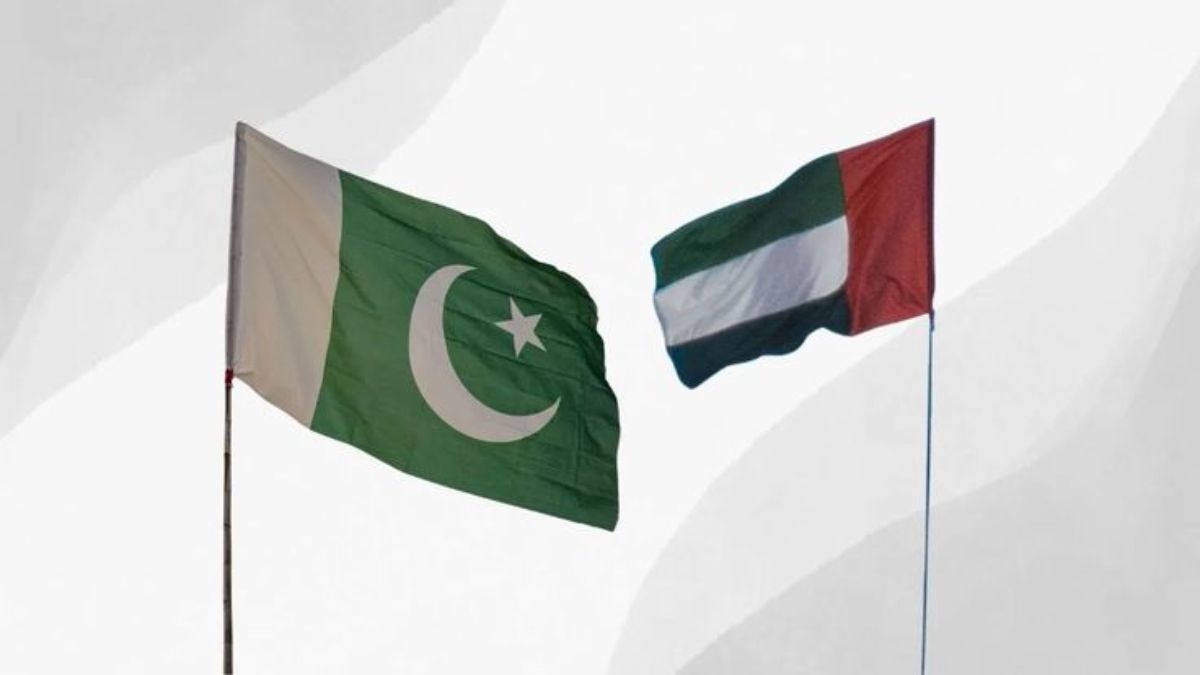
As of Sunday evening,Trump Rejects Iran Ceasefire Proposal has reset the diplomatic clock, once again. Pakistan’s mediators remain in place. Both sides have indicated — at least publicly — that they are not entirely walking away from the table. But the gap between what Washington is demanding and what Tehran is willing to offer appears, in the immediate aftermath of this exchange, as wide as it has been since the conflict began.
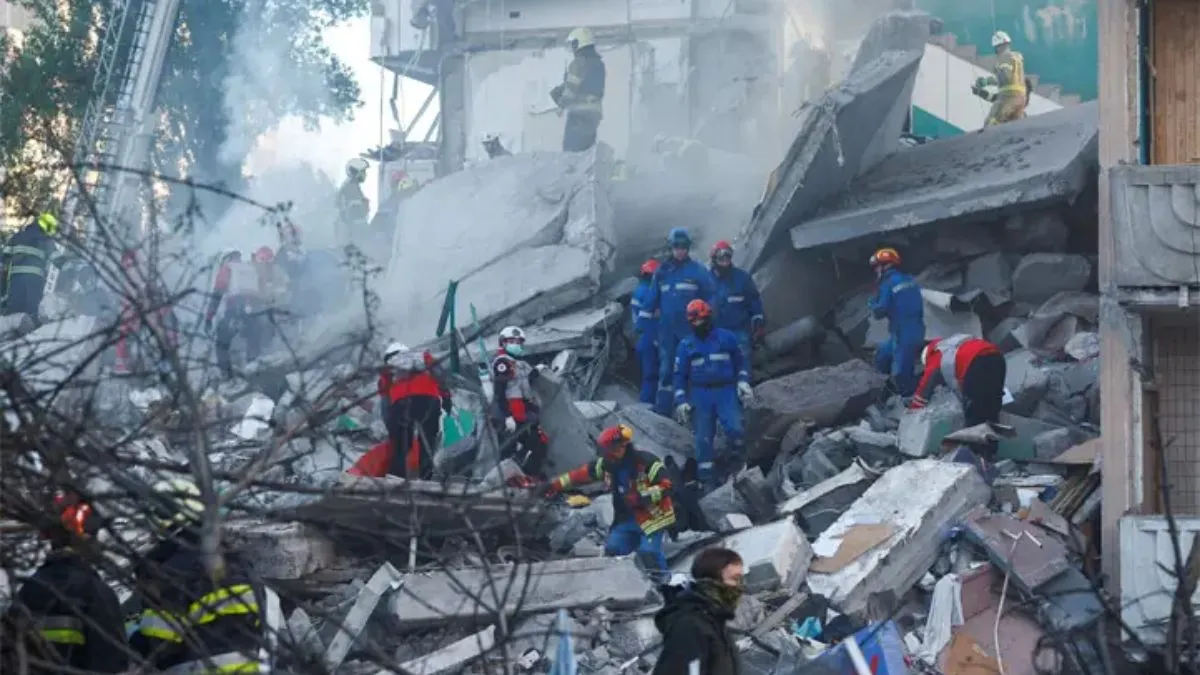
The risks of that gap remaining unbridged are not abstract. Every additional week of Strait closure tightens the vice on a global economy already strained by years of post-pandemic disruption. Every exchange of fire between U.S. and Iranian forces in the Gulf raises the probability of an incident that escalates faster than either government intends. And every failed round of talks makes the next one harder to restart with credibility.
For now, the world watches and waits — paying higher prices at the pump, in the supermarket, and at the airline counter — while two governments locked in a standoff each calculate how long the other can hold on. The answer to that question, more than any single diplomatic proposal, will determine how this conflict ends.