




Putin Xi Gas Pipeline Plans Renewed During Beijing Talks
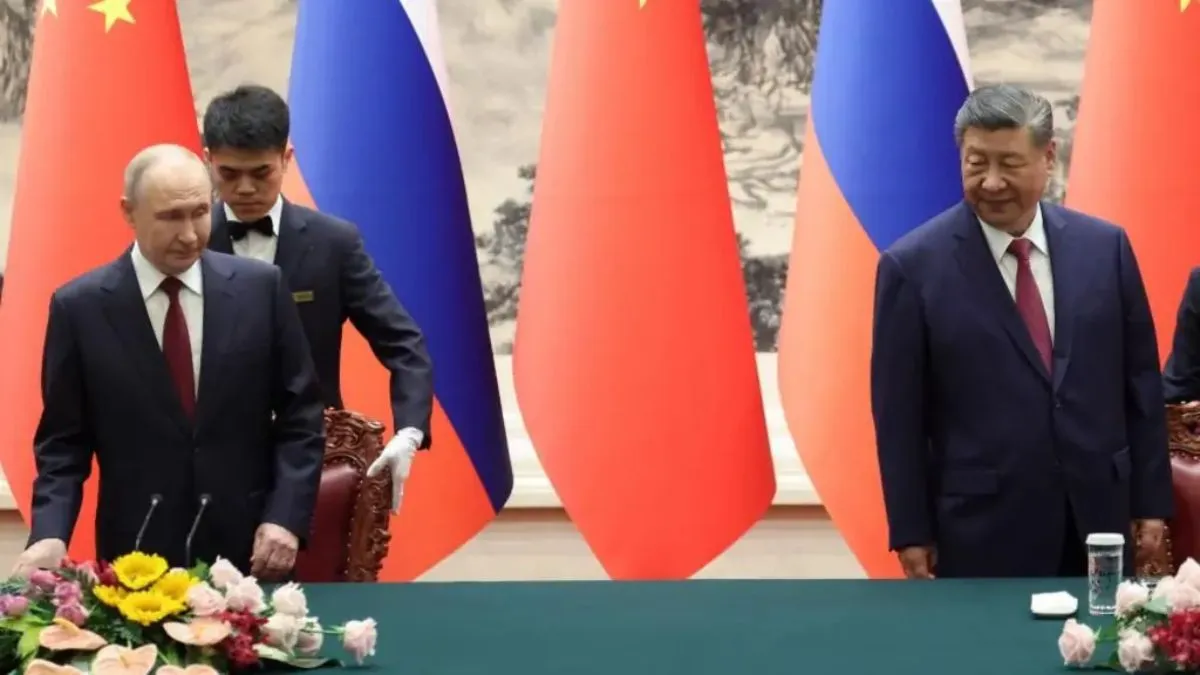
Russian President Vladimir Putin arrived in Beijing this week for a two-day summit with Chinese President Xi Jinping, placing the long-delayed Putin Xi gas pipeline project — known as Power of Siberia 2 — at the center of one of the most consequential energy negotiations of the decade. The timing was anything but coincidental. With conflict in Iran having rattled global energy markets and disrupted nearly a fifth of the world’s seaborne oil supply, Moscow is betting that Beijing’s anxiety over the Strait of Hormuz may finally tip the balance in its favor.
Also Read: Trump Meets Xi Jinping in Beijing as Iran War Casts
The talks, held at the Great Hall of the People on May 20 and marking the 25th anniversary of the Sino-Russian Treaty of Friendship, unfolded against a geopolitical backdrop that gave Russia fresh leverage — and gave the world fresh reason to watch.
What Is the Putin Xi Gas Pipeline — and Why Has It Stalled?
The proposed pipeline is, by almost any measure, an enormous undertaking. Stretching approximately 2,600 kilometers from Russia’s Yamal Peninsula in northern Siberia, through Mongolia, and into northern China, it would carry up to 50 billion cubic meters of natural gas annually — roughly the same volume that Russia’s existing Power of Siberia 1 pipeline now delivers to China in a full year.
Moscow and Beijing signed a legally binding memorandum to advance construction in September 2025, but the project has since been stuck in the mud of commercial disagreement. Pricing has been the central sticking point. China has reportedly pushed for gas rates matching Russia’s domestic tariff — around $120 to $130 per 1,000 cubic meters — while Moscow wants pricing comparable to Power of Siberia 1 terms, which analysts estimate would be more than double that figure.
“The main deal that Putin wants to discuss with Xi is, of course, the gas pipeline,” said Sergei Guriev, dean of the London Business School, speaking to CNBC ahead of the summit. “China has been consistently delaying discussions because it feels it has energy security through diversification. Russia needs this pipeline because it has lost the European market.”
That context matters enormously. Since Russia’s full-scale invasion of Ukraine in 2022, European gas imports from Moscow have collapsed. State energy giant Gazprom saw its European shipments reportedly fall 44% last year to their lowest point in decades. The remaining trickle — pipeline deliveries to Hungary and Slovakia under sanctions exemptions — is a shadow of what Russia once exported westward. Power of Siberia 2 would allow Moscow to redirect gas from the very fields that once fed European homes and factories directly into Chinese markets.
Iran War Gives Putin Xi Gas Pipeline Talks Fresh Urgency
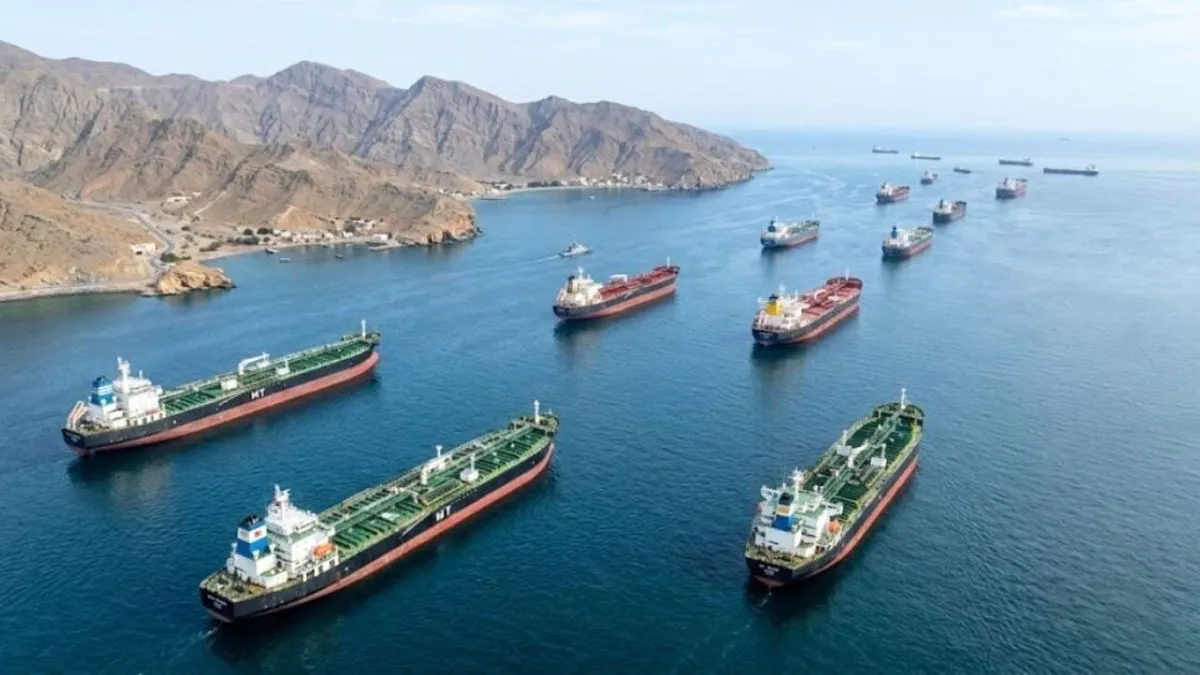
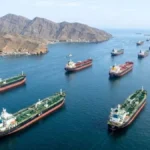
Russia came to Beijing with a specific calculation. The ongoing conflict in Iran, which has effectively closed the Strait of Hormuz to normal shipping traffic, has created real anxiety in China about the reliability of its energy supply chains. Roughly 20% of global oil moves through the Strait; China is among the most exposed nations to any sustained disruption.
Moscow’s hope was that this maritime vulnerability would make Beijing more open to the idea of a long-term, overland gas supply that bypasses maritime chokepoints entirely. According to sources close to the Russian government cited by Bloomberg before the summit, the Kremlin believed the energy turbulence could make China “more flexible” on pricing.
There are, however, clear reasons for caution. China currently holds around 1.23 billion barrels of onshore crude inventory — sufficient to cover roughly 92 days of refining needs, according to Kpler senior oil analyst Muyu Xu. Domestic gas output also grew 2.7% in the first four months of 2026. Central Asian pipelines provide additional supply buffers. Beijing, in other words, can afford to wait.
“China has built substantial reserves of energy and can wait until the Middle Eastern conflict is over,” Guriev noted. “Beijing is less desperate.”
Putin Xi Gas Pipeline: What the Beijing Summit Produced — And What It Didn’t
The outcomes were telling in their ambiguity. Kremlin spokesman Dmitry Peskov told Russian state media that the two sides had reached a “basic understanding” on Power of Siberia 2, including on “the route and how it will be built,” but conceded there was no “clear timeline” and that “there are still some details to be worked out.” In diplomatic language, that is a polite way of saying the deal is not done.
Also Read: Russia-Ukraine War: Russia Launches Heaviest Wartime Attack on Ukraine
Notably, the pipeline project was absent from the Kremlin’s own published list of agreements signed at the summit — a list that reportedly ran to some 40 documents. A 47-page joint statement on the strengthening of the partnership was issued, but it did not contain a firm commitment to the pipeline’s construction schedule or price.
The summit did confirm the existing Power of Siberia 1 pipeline’s continued expansion. The system delivered approximately 38 billion cubic meters of gas to China in 2025, and both governments agreed to increase annual capacity further. On oil, Russia’s exports to China jumped 35% year-over-year in the first quarter of 2026, according to presidential aide Yuri Ushakov — reflecting how deeply Chinese demand has cushioned Russia’s sanctioned energy sector.
The Deeper Asymmetry in the Russia-China Partnership
Beneath the ceremony and the carefully worded statements, a structural imbalance in the relationship was visible to anyone watching closely. Trade between the two countries was worth $240 billion in 2025 — but that figure actually fell 6.5% from a record high in 2024, marking the first decline in five years. Putin acknowledged the need to reverse the downtrend, a rare public admission of how dependent Moscow has become on Beijing’s economic goodwill.
Since the Ukraine war began, China has purchased more than $367 billion worth of Russian fossil fuels, according to data cited by Foreign Policy. Russia has redirected roughly 48 to 51% of its total crude exports to China alone, with Asia as a whole absorbing over 90%. The “no limits” partnership proclaimed by the two leaders in February 2022, days before Russia’s invasion of Ukraine, has increasingly evolved into a relationship in which China holds most of the cards.
Ed Price, a senior non-resident fellow at New York University, told CNBC: “As long as President Putin has territorial ambitions in his West — which is Ukraine — he must have diplomatic success in his East, which is China.”
That framing captures something real. Putin needs this pipeline as much as any single infrastructure project can define a geopolitical strategy. Power of Siberia 2 would make Russia’s long-term gas revenues less vulnerable to Western sanctions and lock in a revenue stream that could sustain the Kremlin’s economy for decades. For Xi, the calculation is different: the pipeline would provide long-term energy security, but it also deepens dependence on a single supplier — something Beijing has historically been careful to avoid.
Michael Feller, chief strategist at Geopolitical Strategy, framed it plainly: “A deal would signal not just trust, but a decision that co-dependency is safer than the alternative.”
Why the Putin Xi Gas Pipeline Deal Matters to the World
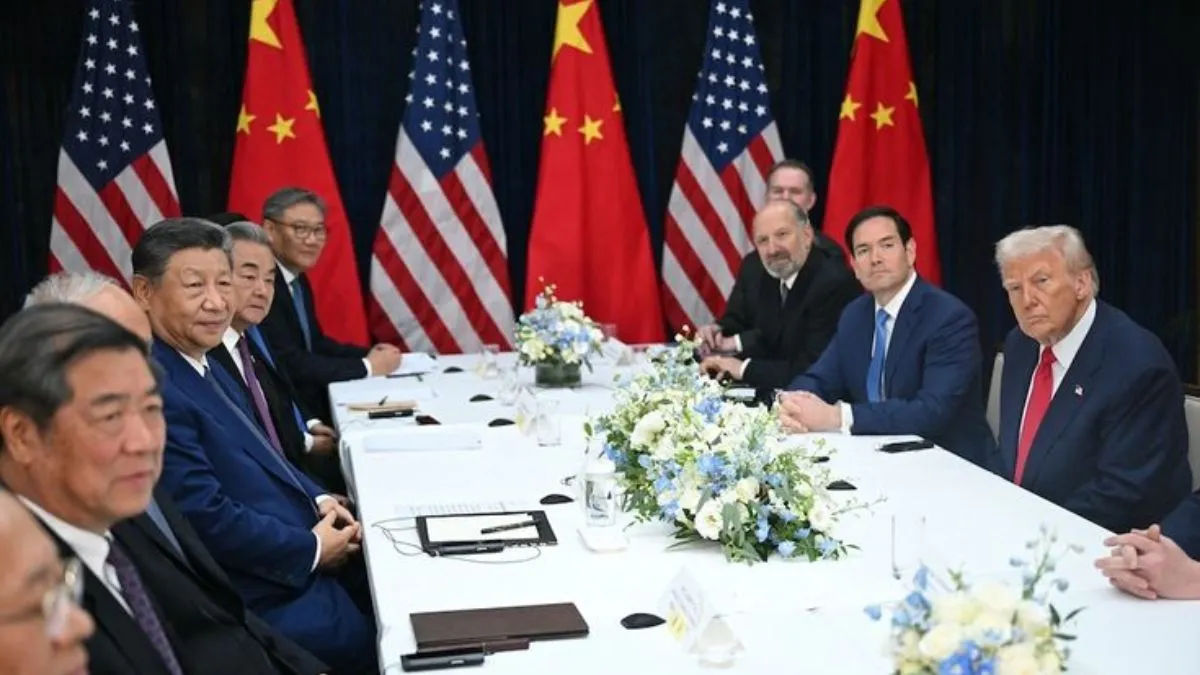
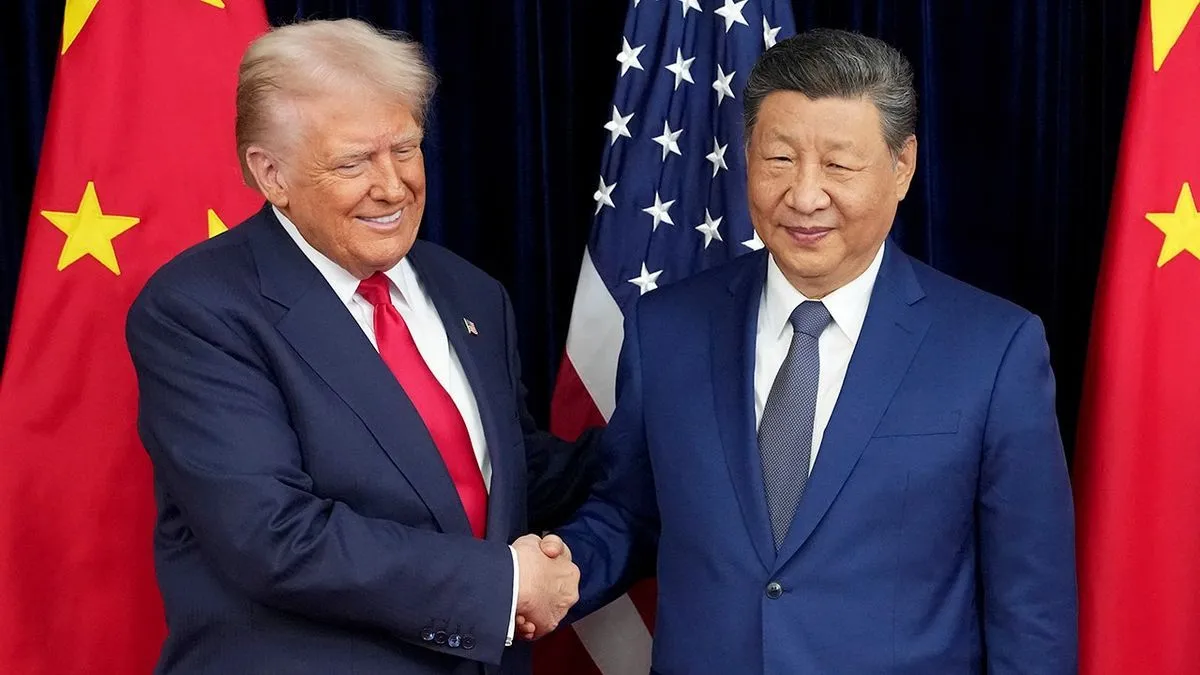
The summit also took place in the shadow of Donald Trump’s state visit to Beijing just days earlier — and the contrast in reception was not lost on observers. Xi reportedly welcomed Putin as an “old friend,” language he notably did not use for Trump. Both leaders signed onto a joint declaration that their relationship was “structurally stronger and more stable” than China’s ties with the United States.
Putin was reported to have briefed himself on the outcomes of the Trump-Xi meetings. The Kremlin’s one source of reassurance: no agreement was reached between Washington and Beijing that would materially undercut Russian interests.
Also Read: Trump Visit China for High-Stakes Xi Jinping Summit in Beijing
One awkward note hung over the proceedings. The Financial Times reported that Xi had told Trump in their meeting that Putin might ultimately “regret” his invasion of Ukraine — a remarkable statement, if accurate, that Trump later denied hearing. It underscored that even China’s famously patient diplomacy with Moscow has its private limits.
For global energy markets, the Beijing talks represent something larger than a bilateral pricing dispute. If Power of Siberia 2 is eventually built and fully operational, it would fundamentally reshape natural gas flows across the Eurasian landmass — substituting Europe with China as the anchor customer for Russia’s most important export. It would also signal that the post-2022 fracture in the global energy order is not merely a temporary disruption but a permanent realignment.
Conclusion
The Putin Xi gas pipeline talks in Beijing this week produced cautious optimism in Moscow and careful noncommitment in Beijing — which is, in many ways, exactly where this negotiation has been for years. The Iran war gave Russia a fresh argument, the memorandum signed in 2025 gave the project legal momentum, and the summit gave both leaders a stage to signal partnership. But without a price deal, Power of Siberia 2 remains a pipeline on paper.
What has changed is the urgency on Russia’s side and the calculation on China’s. At some point, Beijing may decide that a 2,600-kilometer overland insurance policy is worth paying a premium for. When that moment comes — if it comes — the Putin Xi gas pipeline will stop being a negotiation and start being a construction site.
Until then, the deal waits.