





Pakistan Govt Reduces Petrol Price by Rs6 Per Litre, Diesel by Rs6.80 — Second Consecutive Cut Offers Relief to Commuters and Industry
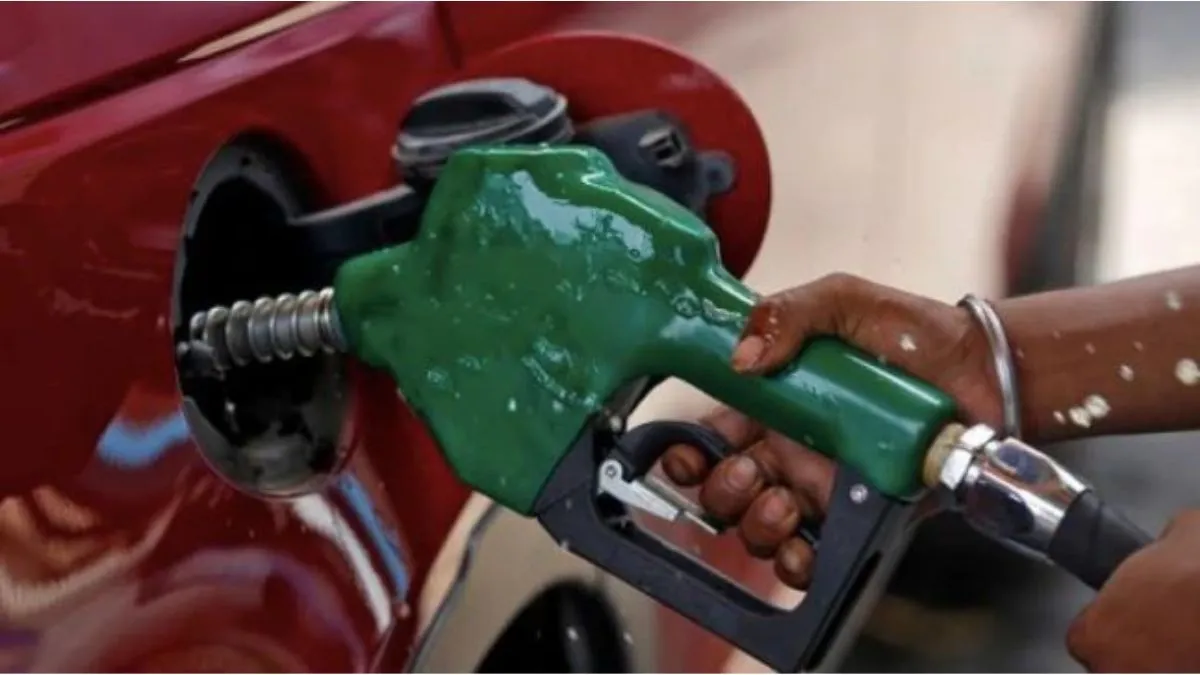
In a move that will be welcomed by millions of Pakistanis still reeling from months of fuel market turbulence, the Pakistan government has reduced petrol price by Rs6 per litre and cut high-speed diesel (HSD) by Rs6.80 per litre, effective from midnight on May 22–23, 2026. The revised rates, confirmed through an official notification by the Ministry of Energy (Petroleum Division), set petrol at Rs403.78 per litre and high-speed diesel at Rs402.78 per litre — the lowest the country has seen since a historic energy crisis sent prices spiralling earlier this year.
Also Read: Petrol, Diesel Prices Cut for Next Fortnight in Pakistan
This is the second consecutive weekly reduction in fuel prices, following a Rs5 per litre cut announced just a week earlier on May 16. Together, the two reductions have trimmed nearly Rs11 from petrol and close to Rs12 from diesel in a fortnight — a meaningful, if partial, rollback from the peaks that briefly pushed petrol above Rs400 per litre following unprecedented price shocks triggered by the US-Iran conflict.
Pakistan Govt Reduces Petrol Price: The Context Behind the Cut
To understand why this week’s cut matters, it helps to look at where Pakistan’s fuel prices have been over the past three months.
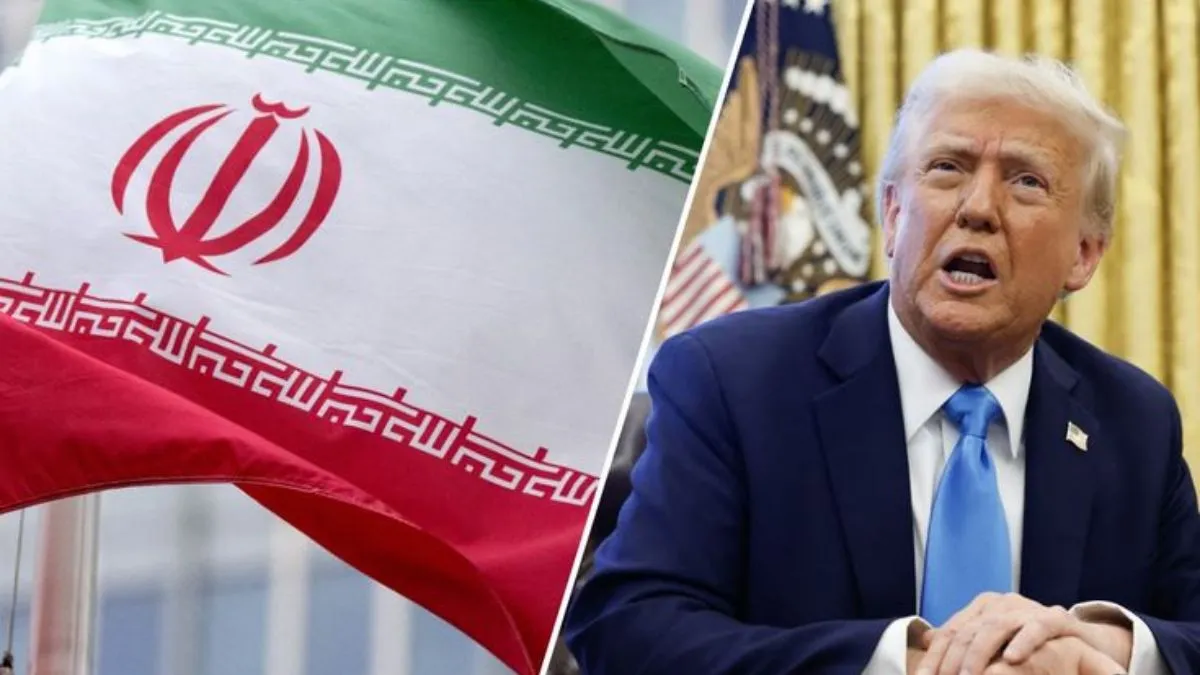
When the United States and Israel launched military operations against Iran in late February 2026, the global energy landscape changed overnight. Iran’s retaliatory restrictions on shipping through the Strait of Hormuz — a chokepoint through which roughly 20 percent of the world’s oil supply flows — sent Brent crude surging above $105 per barrel. The impact was immediate and catastrophic for import-dependent economies like Pakistan.
In early March 2026, the Pakistani government hiked petrol and diesel prices by Rs55 per litre as the oil shock reverberated through its import costs. Then, in what was described at the time as an unprecedented adjustment, Finance Minister Muhammad Aurangzeb and Petroleum Minister Ali Pervaiz Malik jointly announced a further increase of 43 percent in petrol and 55 percent in diesel prices in April — among the steepest single-revision increases in the country’s history.
At the peak of the crisis, petrol in Pakistan was trading near the equivalent of $1.15 per litre and diesel above $1.20 per litre, as Al Jazeera reported at the time, with the government simultaneously ordering emergency austerity measures including a four-day government workweek and school closures to conserve energy.
Since then, as global crude markets began easing amid ceasefire signals between Iran and the United States, the government has been passing on declining international rates to consumers — first a Rs5 cut on May 16, and now a sharper Rs6 reduction this week.
Pakistan Govt Reduces Petrol Price — New Official Rates Explained
Under the latest notification issued by the Petroleum Division:
- Petrol (Motor Spirit): Rs403.78 per litre (down from Rs409.78)
- High-Speed Diesel (HSD): Rs402.78 per litre (down from Rs409.58)
The new rates came into effect from the night of May 22, 2026, and will remain valid until the next weekly revision, expected on May 29, 2026.
Pakistan’s government has shifted to a weekly fuel pricing review mechanism in direct response to the extraordinary volatility seen since March. Previously, fuel prices were revised fortnightly based on OGRA (Oil and Gas Regulatory Authority) recommendations factoring in global crude benchmarks, exchange rate movements, import freight costs, and applicable levies including the petroleum levy.
Government officials linked the latest cut specifically to declining international oil rates and a deliberate policy decision to pass a portion of the price reduction on to consumers rather than maintaining higher government margins — a politically sensitive calculation given the scale of the earlier increases.
Why It Matters for Everyday Pakistanis
Fuel prices in Pakistan are not just a motorist’s concern. Because transportation costs feed directly into the price of food, manufactured goods, and services across the country, diesel in particular functions as an invisible tax on virtually every rupee spent by Pakistani households.
When diesel prices spiked sharply earlier this year, freight operators raised transportation charges across intercity routes. Farmers saw their input costs climb. Ride-hailing fares went up. And shopkeepers in wholesale markets began factoring higher logistics costs into the prices of vegetables, flour, and edible oil — staples that are already under inflationary pressure.
The Rs6.80 per litre cut in diesel, the steeper of the two reductions, is therefore significant. For truckers running long-haul routes between Karachi and Lahore, or between agricultural hubs in Punjab and major urban markets, even a modest per-litre saving multiplies across hundreds of litres consumed daily. Industry associations and transport unions have repeatedly called on the government to reduce diesel rates as a precondition for rolling back the fare hikes imposed after March’s price shock.
Whether that adjustment will follow remains to be seen. Consumer advocates have repeatedly noted that while fuel prices tend to rise quickly and visibly, the downstream effects on food and transport fares often lag behind when prices fall — a pattern well-documented across developing economies.
The Weekly Review: A Double-Edged Policy Tool
Pakistan’s shift to weekly fuel price reviews is itself worth examining. The mechanism was introduced to allow faster government response to global market shifts — and during a period when international oil prices were moving sharply week-to-week, that flexibility made sense.
But it also introduces volatility into household and business planning that a monthly or fortnightly cycle does not. Small business owners who depend on diesel generators, agricultural users with irrigation pump-sets, and transport operators running on thin margins have found it increasingly difficult to forecast costs when the pump price can change every seven days.
Also Read: Iran Deal Prospects Rise as Tankers Exit Hormuz
Energy analysts have suggested that the weekly revision model, while administratively nimble, may need to be accompanied by clearer communication about the pricing formula to help consumers and businesses plan ahead. Greater transparency around how the ex-refinery price, petroleum levy, GST, and dealer margins combine to set the final retail price would go some way toward building public trust in a mechanism that has, at times, appeared opaque.
The Global Picture and Pakistan’s Vulnerability
Pakistan’s experience this year has exposed the deep structural vulnerability of an economy that imports nearly all of its crude oil requirements. Between July 2025 and February 2026 alone, the country’s oil import bill stood at over $10.71 billion, according to figures cited by Al Jazeera in March — and that was before the full impact of the Iran-linked price shock had been absorbed.
Energy analyst Amer Zafar Durrani, a former World Bank official and CEO of advisory firm Reenergia, noted during the height of the crisis that Pakistan’s exposure is compounded by the value of its currency in the global market. A weaker rupee means that even if global crude prices stabilise in dollar terms, the rupee cost of imported oil can remain elevated. That dynamic has not disappeared; it simply receded somewhat as both crude prices softened and the rupee held relatively steady in recent weeks.
Durrani had also argued that structural solutions — such as shifting more freight from road to rail to reduce diesel dependency — would do more for long-term fuel cost stability than short-term price fixes. That advice has not yet translated into visible policy action.
What Comes Next?
The next petroleum price revision is scheduled for May 29, 2026. Whether further cuts materialise will depend largely on how international crude prices behave in the days ahead, and on whether the tentative diplomatic progress between the United States and Iran — including direct talks that were held in Pakistan in April — translates into sustained stability in Middle East oil supply routes.
The Oil and Gas Regulatory Authority will calculate fresh recommendations based on import costs, exchange rates, and applicable levies, with the Petroleum Division expected to announce the outcome by the end of next week.
For now, the second consecutive reduction in fuel prices signals that the government is at least partially following through on its stated commitment to pass global price declines on to consumers. Whether that commitment holds, and how much further relief may follow, remains the question on the minds of millions of Pakistanis who spent the better part of the last three months watching the fuel bill absorb an ever-larger share of their household budgets.
Conclusion
The Pakistan govt reduces petrol price decision announced on May 22, 2026 — setting petrol at Rs403.78 and diesel at Rs402.78 per litre — represents a meaningful, if incremental, step toward restoring some of the purchasing power that was lost during the most severe fuel price crisis in the country’s recent history. With two back-to-back weekly cuts now in place and global oil markets showing signs of stabilisation, there is cautious optimism that further relief may follow. But structural vulnerabilities remain, and the true test will come in whether lower pump prices actually translate into reduced fares and food costs for the ordinary Pakistani consumer.