






World Cup 2026 Live Updates: Inside the Countdown as USA, Canada and Mexico Brace for Football’s Biggest Moment
With just over three weeks to go, North America is at the center of a tournament unlike anything football has ever seen — and the storylines are mounting by the hour.
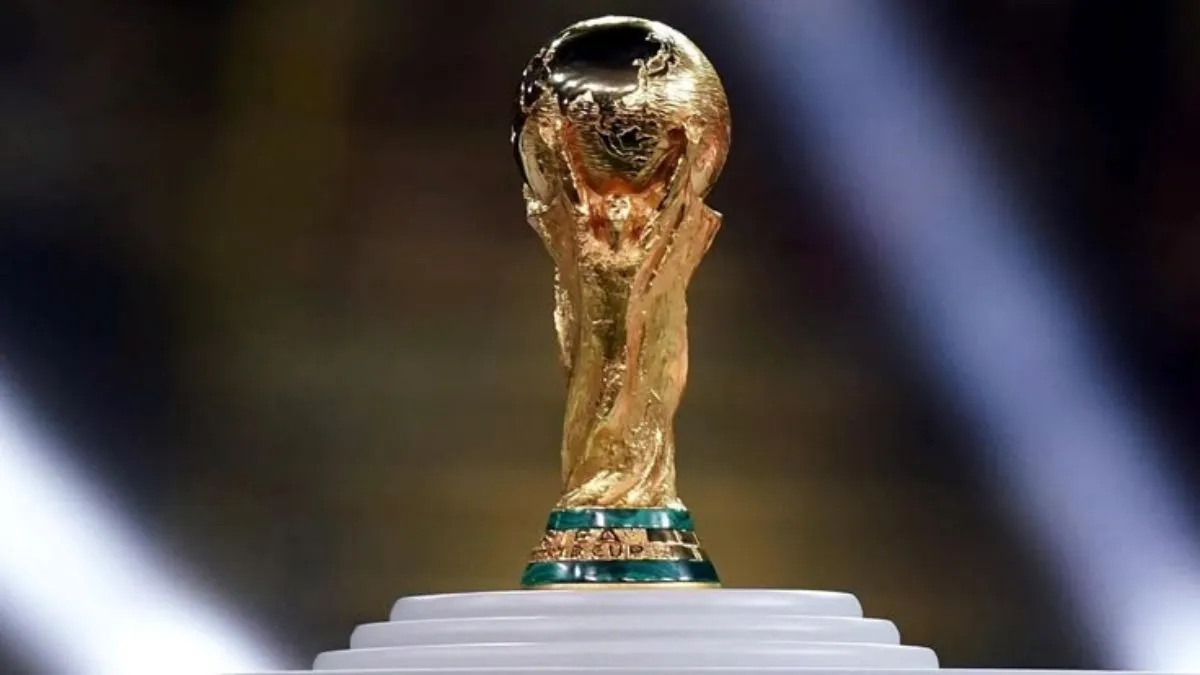
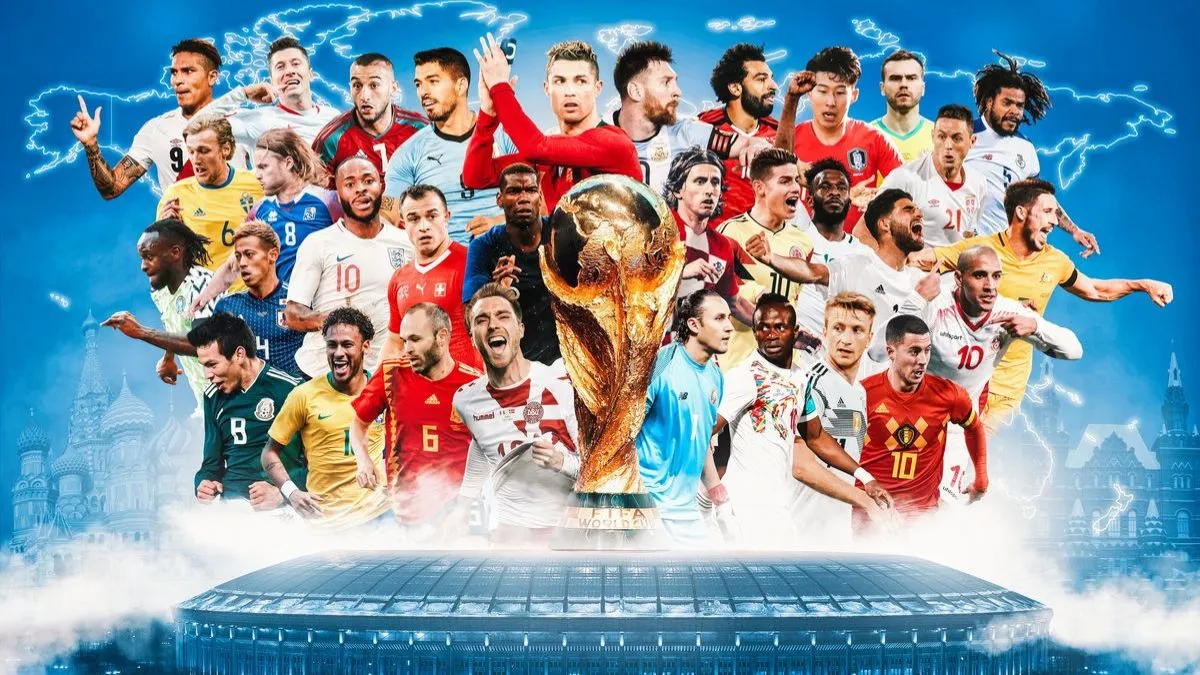
The numbers alone are staggering. Forty-eight nations. One hundred and four matches. Sixteen host cities spread across three countries. An expected global television audience of six billion. And at the very center of it all, a World Cup that begins on June 11 in Mexico City’s legendary Estadio Azteca and ends July 19 in the shadow of New York.
Also Read: World Cup 2026 Live Updates: Squads, Injuries & Tickets
These are your World Cup 2026 live updates — a single guide to everything happening right now as football’s defining event edges closer to reality.
The Tournament at a Glance: Who Plays Where and When
The structure of FIFA 2026 is unlike any World Cup in history. For the first time, three nations share hosting duties — the United States carrying the bulk of fixtures with 60 matches, while Canada and Mexico host ten games each.
Mexico has the honor of kicking things off. The opening match on June 11 sees Mexico face South Africa at Estadio Azteca in Mexico City — a venue carrying enormous emotional weight as the only stadium to have hosted two previous World Cup finals (1970 and 1986). Canada opens its leg of the tournament at Toronto’s BMO Field on June 12, with further group games at BC Place in Vancouver.
The United States begins its campaign the same day. The USMNT — drawn into Group D alongside Paraguay, Australia and Türkiye — makes its World Cup home debut at SoFi Stadium in Inglewood, California on June 12, with kick-off scheduled for 9 p.m. Eastern Time. A second group stage match follows at Lumen Field in Seattle on June 19, before the Americans return to Los Angeles on June 25 to complete the group phase.
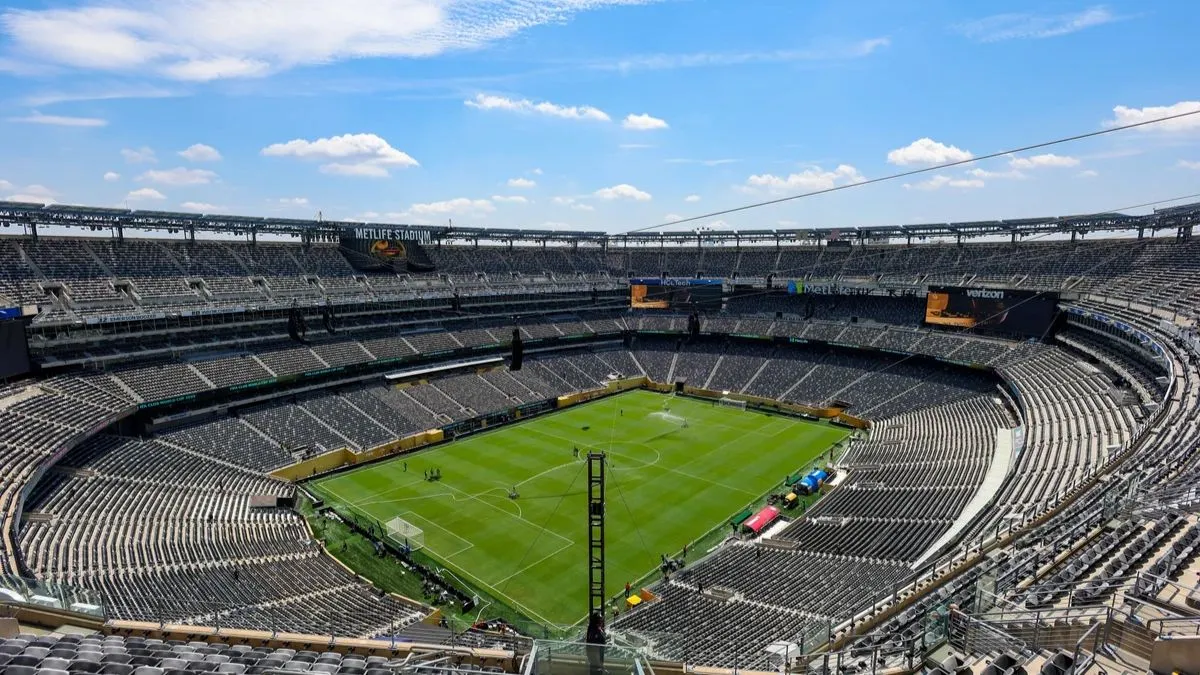
The knockout rounds work their way east across the continent. Quarterfinals are set for Los Angeles, Miami, Kansas City and Boston from July 8. The two semifinals are scheduled for Dallas (July 14) and Atlanta (July 15). The bronze medal match lands in Miami on July 18, and the final — the moment the entire tournament has been building toward — takes place at MetLife Stadium in East Rutherford, New Jersey, on July 19.
It is the most geographically expansive World Cup ever staged, and organizers have moved deliberately to minimize travel burdens on teams. FIFA has confirmed that all 48 nations will receive at least three full days of rest between matches, with only the third-place playoff serving as an exception.
Squad Watch: Who’s In, Who’s Out, and When We’ll Know
The official 26-player squads will be submitted to FIFA by June 1 and publicly confirmed on June 2 — though many nations are announcing their lists ahead of that date.
Provisional lists of between 35 and 55 players, submitted to FIFA by May 11, have been largely kept internal by most federations. In the United States, the USMNT squad announcement is expected on May 26, giving fans just over two weeks before the opener in Los Angeles.
For host nations, the pressure of selection has never been greater. The Americans enter as one of the most anticipated hosts in the tournament’s recent memory — a squad built around players now competing at the highest levels of European football, aiming to prove that 2026 represents a genuine inflection point for American soccer and not just a home advantage.
Canada, making only its second-ever men’s World Cup appearance and first since 1986, is drawn into Group B alongside Bosnia-Herzegovina, Qatar and Switzerland. The weight of expectation on the Canadian squad — several of whom compete in major European leagues — is considerable.
Argentina’s squad announcement, expected around May 30, is generating its own global attention. At 38, Lionel Messi remains the world’s most-discussed footballing figure, and confirmation of his participation would send anticipation for the tournament into another register entirely. The Argentine captain, who has been playing MLS football with Inter Miami since 2023, has not ruled himself out.
The Trump Factor: Visas, Bonds, FIFA Pass and Fan Concerns
No World Cup in recent memory has carried this much political weight before a ball has been kicked.
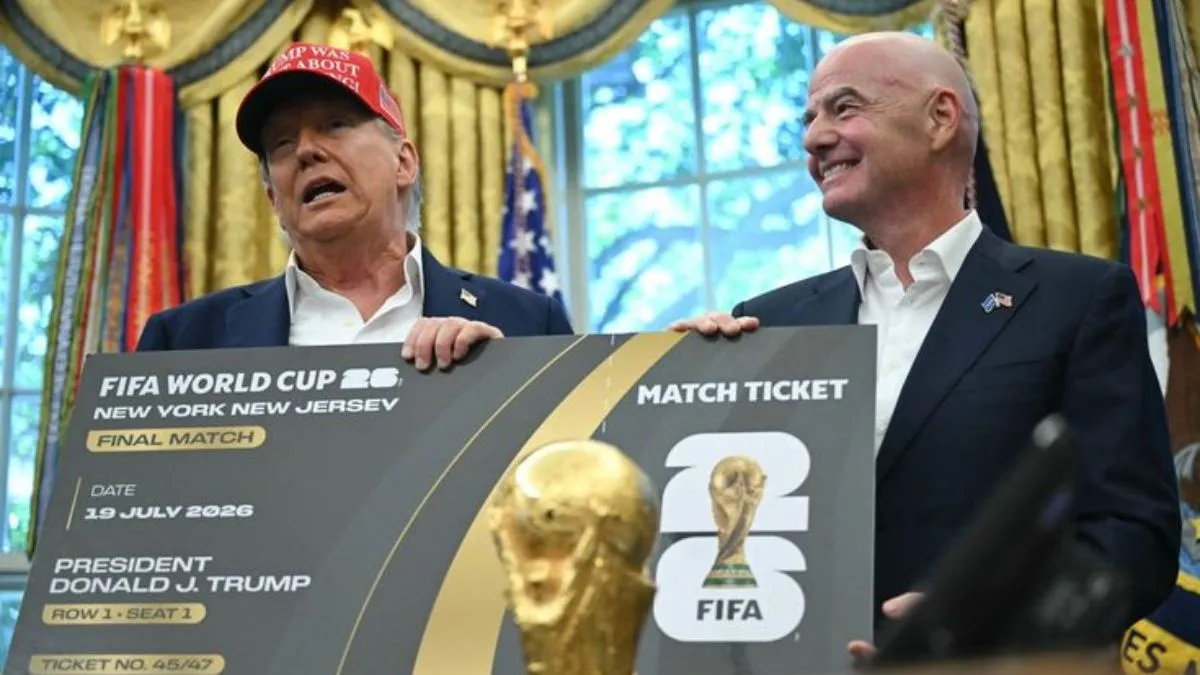
President Donald Trump has positioned the 2026 tournament as a centerpiece of both his second term and the 250th anniversary of American independence. He personally established a White House Task Force dedicated to the event, and has appeared publicly alongside FIFA President Gianni Infantino on multiple occasions — most recently at the Oval Office, where the administration unveiled a new expedited visa system called the “FIFA Pass.”
The FIFA Pass allows confirmed ticket holders to secure prioritized visa appointment slots at U.S. embassies worldwide. Secretary of State Marco Rubio, present at the Oval Office announcement, was precise on the limits of the scheme: a World Cup ticket, he clarified, is not a guarantee of entry to the United States. It secures an expedited appointment — nothing more. The vetting process, he said, remains unchanged.
That distinction matters. On May 13, the State Department announced a partial but significant reversal of one of its more contentious immigration policies: the visa bond requirement. Introduced in 2025 as part of the administration’s broader crackdown on illegal immigration, the measure had required visa applicants from 50 countries — selected on the basis of high visa overstay rates and security concerns — to pay financial bonds of $5,000, $10,000 or $15,000, refundable only if the traveler complied with the terms of their visa or was denied outright.
Also Read: FIFA World Cup 2026 Official Album: Songs, Artists & Details
Five of those 50 countries qualified for the 2026 World Cup: Algeria, Cape Verde, Côte d’Ivoire, Senegal and Tunisia. For supporters from those nations hoping to follow their teams to the United States, the bond requirement had represented a potentially prohibitive financial barrier on top of tickets, flights and accommodation.
The State Department’s decision to suspend the bond requirement for verified World Cup ticket holders enrolled in the FIFA Pass system was welcomed by travel professionals as a meaningful concession. But it was careful to note that standard immigration scrutiny — interviews, documentation, compliance checks — remains fully in force.
Supporters from Côte d’Ivoire and Senegal face an additional complication. Both nations are currently subject to partial travel restrictions under the administration’s expanded travel ban policies, limiting the ability of some fans to travel to U.S. venues even with valid tickets.
A Climate of Concern: The Travel Advisory Nobody Wanted to Issue
The visa bond suspension came against a backdrop of mounting pressure from civil society.
In April, Amnesty International — joined by the American Civil Liberties Union and more than 120 civil society and human rights organizations — issued a formal travel advisory for the World Cup. The document warned international visitors of what it described as “rising authoritarianism and increasing violence” in the United States, urging fans, players and journalists to exercise caution and have contingency plans in place.
The advisory flagged specific risks: arbitrary denial of entry, detention in what it characterized as inhumane conditions, invasive checks of phones and social media histories, and the possibility that immigration enforcement activity would intensify in and around host cities. It noted that ICE had publicly confirmed its agents would play a role in World Cup security operations.
For fans from countries with significant immigration communities in the United States — or those from nations facing existing travel restrictions — the message was blunt: the United States you are traveling to in June 2026 is not the same country that hosted the 1994 World Cup.
The White House and U.S. tourism officials pushed back, calling the advisory an exercise in political fearmongering. Geoff Freeman, president and CEO of the U.S. Travel Association, acknowledged that legitimate concerns existed around entry policies but argued they were being exaggerated. The United States, he noted, received 67 million international visitors last year without incident on that scale.
FIFA, for its part, reiterated its standard commitment to human rights in line with its statutes — language that did little to satisfy the advocacy groups demanding binding assurances and direct intervention.
The tension is real, and it will not dissolve before June 11. The administration is betting that the electric atmosphere of the tournament itself will override the noise. For millions of fans making travel decisions right now, that is not a certainty they are willing to take on faith.
Ticket Prices: A Tournament for the Wealthy?
World Cup tickets have always been expensive. But 2026 has introduced a new dimension to that conversation.
Secondary market prices for high-profile fixtures — including the final at MetLife Stadium — have reportedly reached extraordinary levels, with some listings for the July 19 showpiece surfacing at prices approaching seven figures. Even group stage tickets in prime cities have been trading at multiples of their face value.
Also Read: FIFA World Cup 2026 Extreme Weather Fears: Scientists Warn
FIFA has faced sustained criticism over pricing across previous tournaments, and 2026 is no different. The scale of the event — and the appetite of the American sports market for premium experiences — has amplified the gap between official ticket prices and what supporters are actually paying on resale platforms.
For the tens of millions of fans who will follow the tournament from home, broadcasters have stepped up coverage significantly. In the United States, all 104 matches will air across the FOX family of networks, with a record 40 matches in prime time. The opening Mexico vs South Africa game on June 11 will stream free on Tubi.
Why This World Cup Matters Beyond Football
The 2026 edition is a tournament shaped as much by the world it exists in as by what happens on the pitch. A deeply polarized United States. A Canada and Mexico navigating complex relationships with their neighbor. A FIFA that has leaned closer to political power than at any point in its recent history. And an international fan base trying to figure out whether their journey to North America is worth the uncertainty.
None of that diminishes the football. It amplifies it. The questions surrounding this World Cup — about access, about rights, about who is truly welcome — are questions that football, at its best, has always tried to answer with open arms.
The next few weeks will determine whether the 2026 edition can live up to that tradition.
In Summary: World Cup 2026 Live Updates at a Glance
World Cup 2026 live updates continue to roll in with kickoff now less than a month away, here is where things stand. The tournament opens June 11 in Mexico City. The United States makes its home debut the following day in Los Angeles. Final squad announcements are expected around June 2. The Trump administration has suspended visa bond requirements for confirmed ticket holders but maintains full immigration scrutiny. A major civil rights coalition has issued a formal travel advisory for visitors to the U.S. And the world is watching, however uneasily, to see whether the biggest sporting event in history can deliver on its promise.