








Xiaomi Confirms 17 Ultra Launch
Beijing, China — Xiaomi has confirmed that its next flagship smartphone, the Xiaomi 17 Ultra, will be launched next week, marking an earlier-than-usual debut for the company’s high-end “Ultra” series. While the company has not specified an exact date, industry reports suggest a December 26, 2025 announcement, following weeks of speculation fueled by teaser images and FCC certification filings.
Also Read: Samsung Galaxy Z TriFold Screen Replacement Cost Shocks Buyers
The Xiaomi 17 Ultra’s imminent launch comes as the company seeks to strengthen its presence in the premium smartphone segment, particularly in mobile photography. Traditionally, Xiaomi’s Ultra models are unveiled during spring hardware cycles, coinciding with major trade shows. By accelerating the release, Xiaomi appears to be aiming for a head start in the next-generation camera phone race, positioning itself ahead of competitors like Samsung and Apple.
Enhanced Leica Partnership
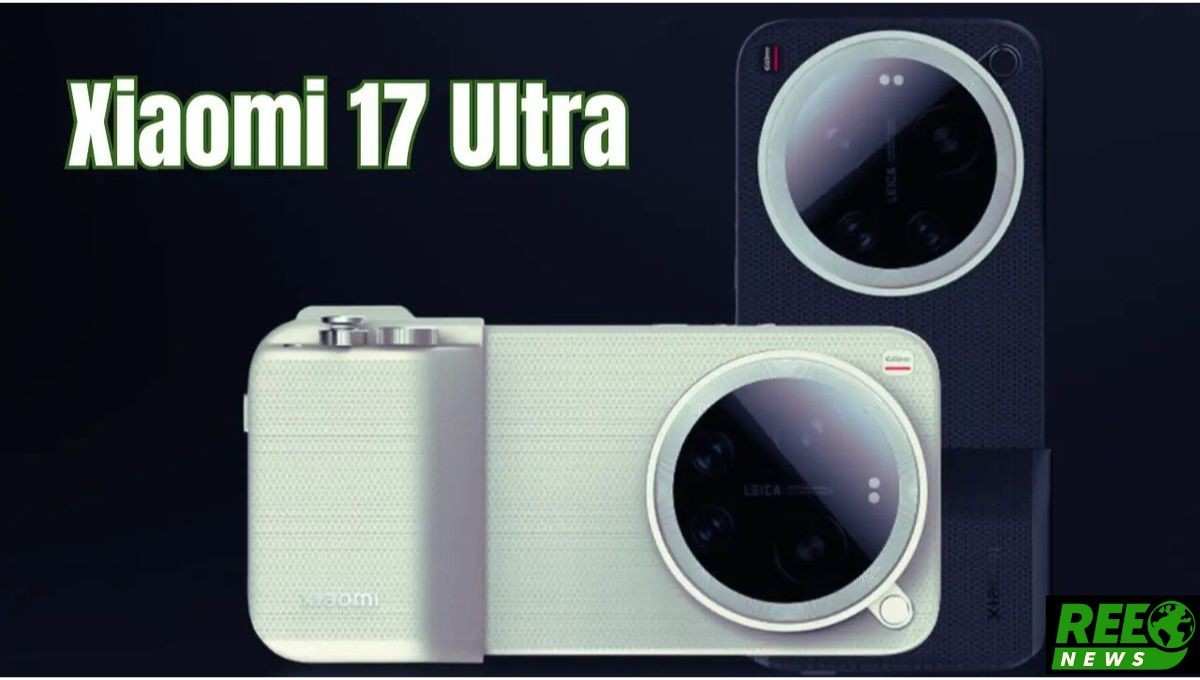
Central to the 17 Ultra’s appeal is Xiaomi’s ongoing collaboration with Leica, now described by the company as a “strategic co-creation.” According to Xiaomi, this enhanced partnership goes beyond branding and research to involve joint development of optics design, lens tuning, image processing, and color science. Analysts suggest that this close collaboration could deliver tangible improvements in telephoto performance, low-light photography, and color accuracy.
Leica’s APO lens technology, known in traditional photography for reducing chromatic aberration and preserving micro-contrast, is expected to be adapted for the smartphone’s telephoto module. This could result in cleaner high-contrast edges on zoomed images and more consistent color representation across the camera’s range.
Hardware and Specifications
The Xiaomi 17 Ultra is rumored to feature a quad-camera system comprising three 50MP sensors alongside a 200MP primary sensor, coupled with a one-inch type main sensor. This sensor, roughly 1.7 times larger than typical 1/1.3-inch sensors, is expected to enhance light capture, improve dynamic range, and deliver better low-light performance.
Also Read: Oppo Reno 15 Pro vs Oppo Reno 14 Pro: What to Know Before You Choose
On the performance side, the device is likely to use Qualcomm’s Snapdragon 8 Elite Gen 5 processor, the company’s latest high-end mobile chipset. Rumors also point to a large battery approaching 7,000 mAh with support for fast wired charging and potential wireless charging. Connectivity features are expected to include 5G, Wi-Fi 7, Bluetooth Low Energy, and possibly Ultra Wideband support, which could enable precise device location services and ecosystem integration.
Notably, the 17 Ultra will reportedly forgo the rear display seen on some earlier models in favor of a stronger focus on camera performance. Two variants may be launched: one with advanced camera intelligence and another with standard imaging capabilities. Pricing has not been officially confirmed, but industry sources anticipate a range of $900 to $1,000, similar to Xiaomi’s previous Ultra flagship.
Global Availability and Market Strategy
FCC certification for the device suggests that a global release could follow the China debut. While Xiaomi has yet to disclose international launch plans, analysts note that early Ultra launches often serve to shape market perception, highlighting a brand’s technical leadership and innovation. Xiaomi’s strategy appears aimed at reinforcing its position in the high-end segment, particularly as “Ultra” devices increasingly function as halo products representing brand identity and cutting-edge technology.
Future Implications
With the Xiaomi 17 Ultra set to launch next week, the smartphone market is likely to see renewed competition in high-end photography and hardware innovation. Observers expect the release to influence trends in sensor size, telephoto capability, and image processing in 2026. Following the unveiling, global availability, pricing details, and hands-on reviews will determine how the device performs against rival flagship models in the ultra-premium category.