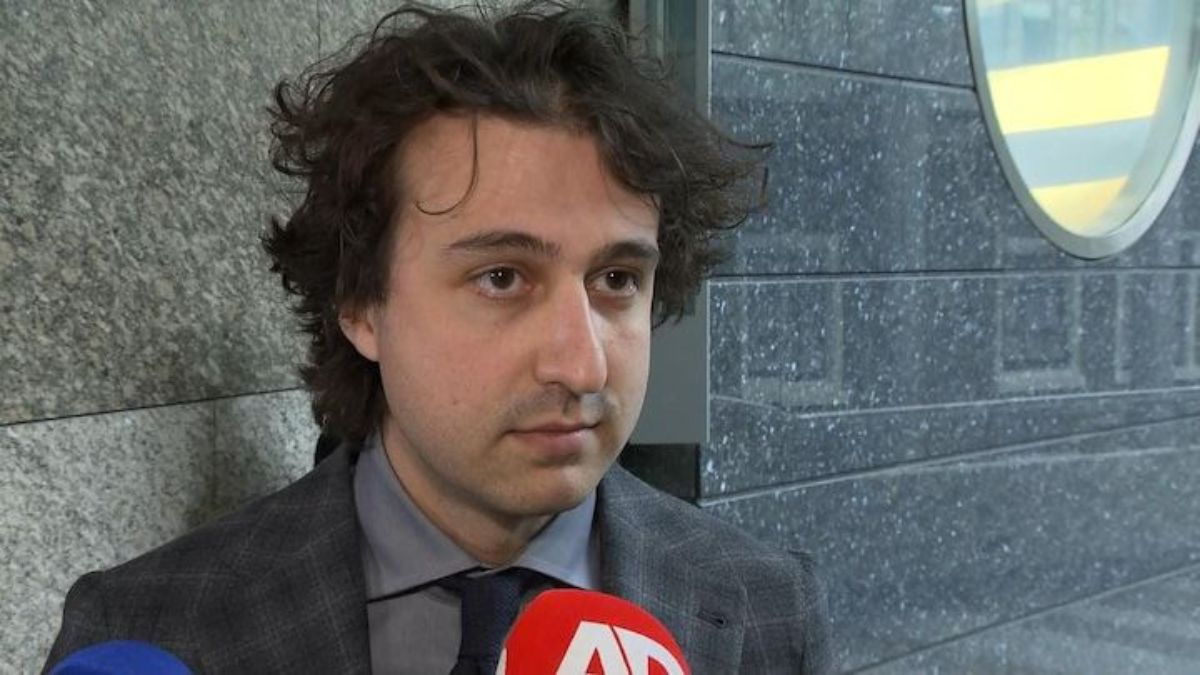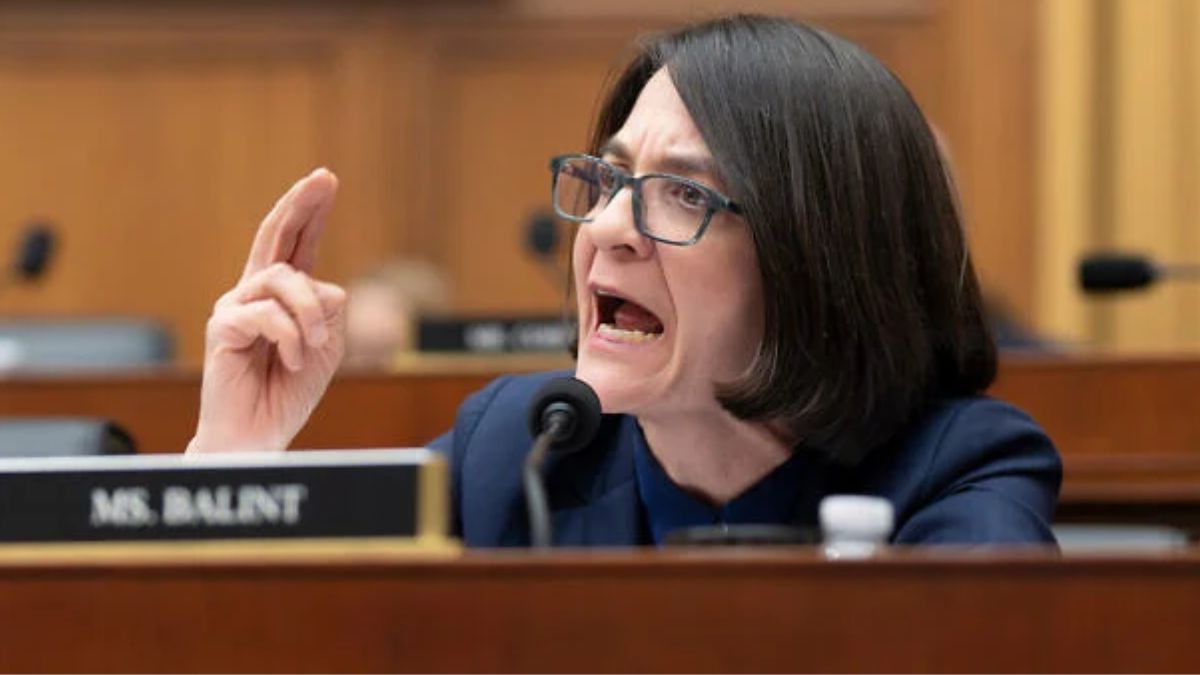




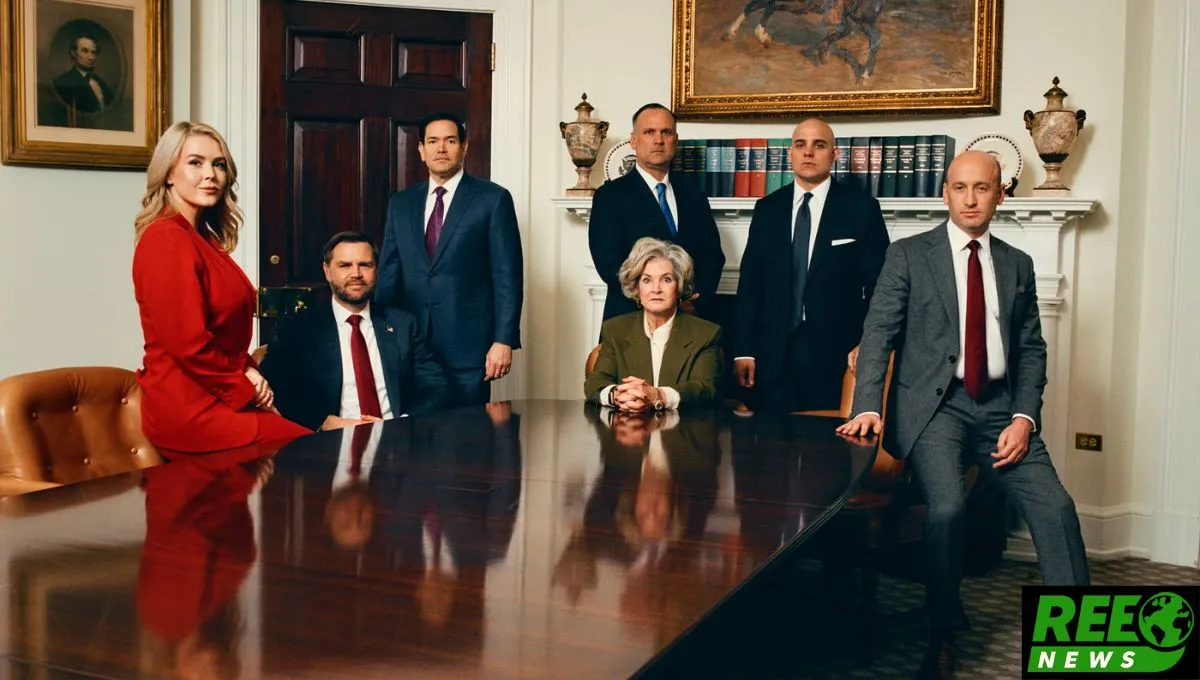
A series of tightly framed portraits published by Vanity Fair featuring senior officials from President Donald Trump’s second administration has sparked an intense debate over political image-making, media responsibility, and how power is visually portrayed. What was intended as a candid attempt to move beyond polished political imagery has instead drawn widespread online reaction and unease among some figures within the White House.
Released this week across Vanity Fair’s digital platforms, the photographs focus closely on well-known officials, including White House Chief of Staff Susie Wiles, Press Secretary Karoline Leavitt, Vice President JD Vance, Secretary of State Marco Rubio, and senior advisers Stephen Miller, Dan Scavino, and James Blair. Shot at close range, the portraits emphasize natural details—skin texture, visible makeup, and facial lines—elements that are typically softened or avoided in official government photography.
Also Read: Susie Wiles Candid Interviews Expose Trump’s Second Term
The reaction was swift. Across social media platforms, users described the photos as “jarring” and “unflattering,” with some suggesting the portraits crossed an unspoken line between realism and exposure. The response underscored how accustomed audiences have become to carefully managed political imagery, particularly for high-ranking officials who typically appear under controlled lighting and favorable angles.
The photographer behind the project, Christopher Anderson, rejected claims that the images were designed to embarrass their subjects. In interviews with The Independent and other outlets, Anderson said his approach was consistent with years of work focused on close-up portraiture. He has previously photographed political figures, artists, and conflict zones, and has been recognized with the Robert Capa Gold Medal for earlier reporting.
Anderson said he aimed to “penetrate the theater of politics,” a phrase that resonated with the administration’s own messaging about transparency. The portraits were taken during a day-long shoot at the White House on November 13, with subjects photographed individually in their offices using a medium-format camera and fixed lighting setup.
Yet even before publication, unease reportedly surfaced among those involved. According to Vanity Fair’s behind-the-scenes account, one official joked during the group shoot in the Roosevelt Room that the session could cost them their jobs. Vanity Fair Global Editorial Director Mark Guiducci later described a tense atmosphere, with Vice President Vance making nervous remarks and sharp jokes throughout the process.
Also Read: James Woods Praises ‘Patriot’ Rob Reiner, Slams Attacks After Director’s Killing
The controversy deepened with the accompanying profile of Wiles, which included unusually candid remarks about the internal dynamics of the administration. Wiles was quoted characterizing President Trump’s leadership style in stark terms and offering blunt assessments of several colleagues. Those comments quickly overshadowed the portraits themselves, drawing attention from political analysts and cable news commentators.
Within hours of publication, Wiles issued a statement distancing herself from the piece, calling it a “disingenuously framed hit piece” that ignored broader context. She said selective quotations created an exaggerated narrative of dysfunction, a claim echoed by several administration allies speaking anonymously to reporters.
Media analysts note that the episode reflects a broader tension between political power and editorial independence. While access journalism often relies on negotiated boundaries, publications like Vanity Fair have increasingly tested those limits in an era of polarized audiences and viral amplification. Visual storytelling, analysts say, can be as influential as words in shaping public perception.
As the White House navigates the fallout, it remains unclear whether officials will reassess their engagement with long-form magazine profiles. What is clear is that the portraits have reopened questions about how much authenticity political figures are willing to accept—and whether radical visual transparency strengthens public understanding or simply fuels the next controversy.