







Trump Presses Greenland, Testing Europe’s Patience
Something has changed across Europe. After months of cautious diplomacy, European leaders are no longer hiding their frustration as Trump presses Greenland with renewed urgency and increasingly sharp threats.
On Monday, President Donald Trump doubled down on his claim that the United States needs Greenland for national security reasons. When asked directly whether military force was an option, he refused to answer. That single moment sent shockwaves through Copenhagen, Brussels and Nuuk, Greenland’s capital.
Also Read: US Attack on Venezuela: Maduro Captured, Faces Trial
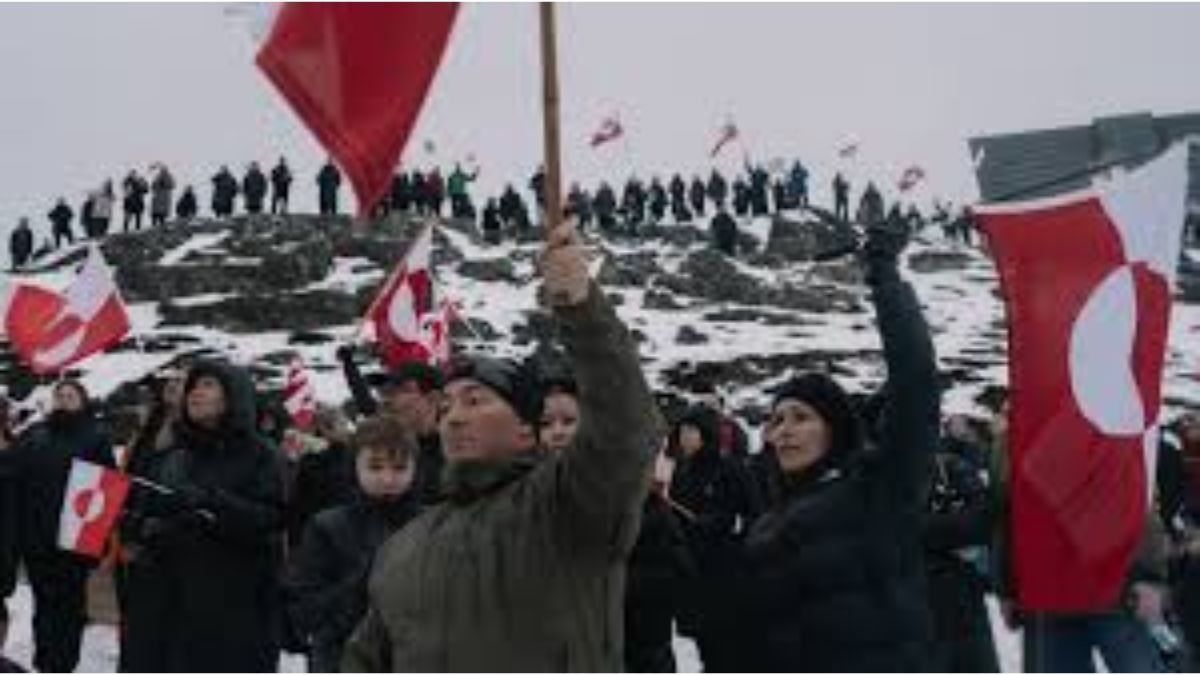
Greenland remains a semi-autonomous territory of Denmark, a NATO ally and EU member. Any challenge to its sovereignty is not only a Danish issue but a direct concern for Europe’s collective security framework.
Denmark and NATO Allies Feel the Pressure
As Trump presses Greenland, European diplomats say Washington is also applying pressure behind the scenes. According to multiple officials, the US has warned European allies that failure to support its Greenland ambitions could result in sweeping tariffs on exports to the American market.
For Europe’s already struggling economies, the threat is severe. Germany’s automotive sector, Italy’s luxury brands and France’s industrial exports are deeply tied to US consumers. Even a limited tariff regime could have painful consequences.
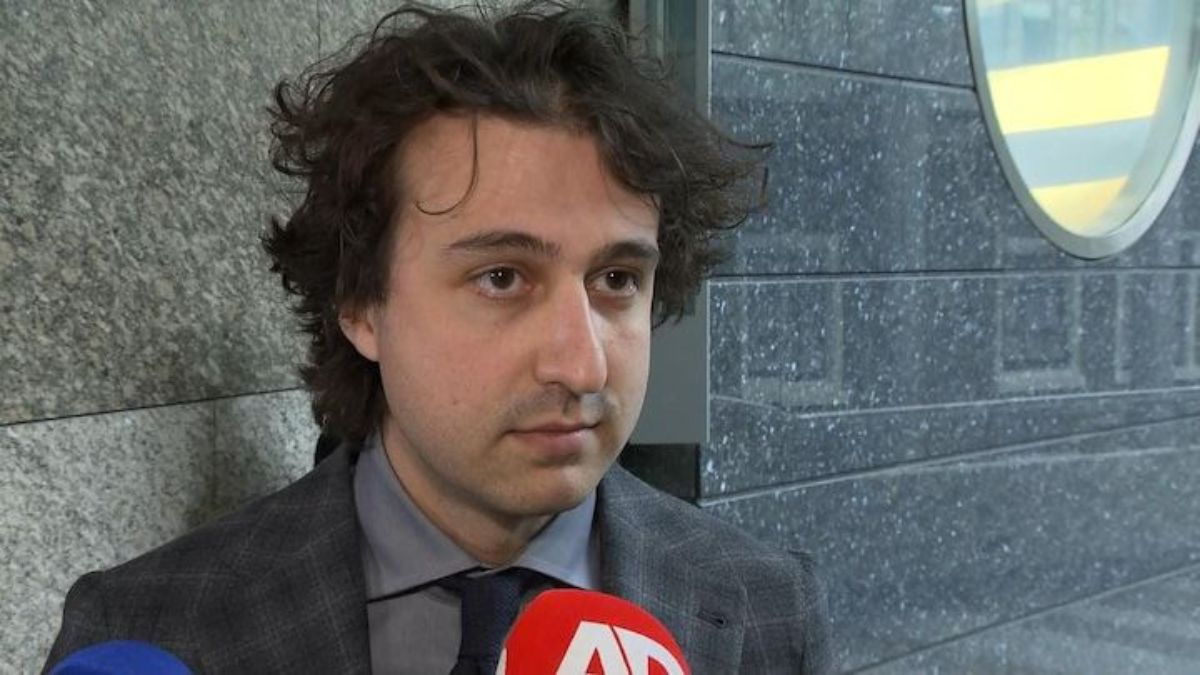
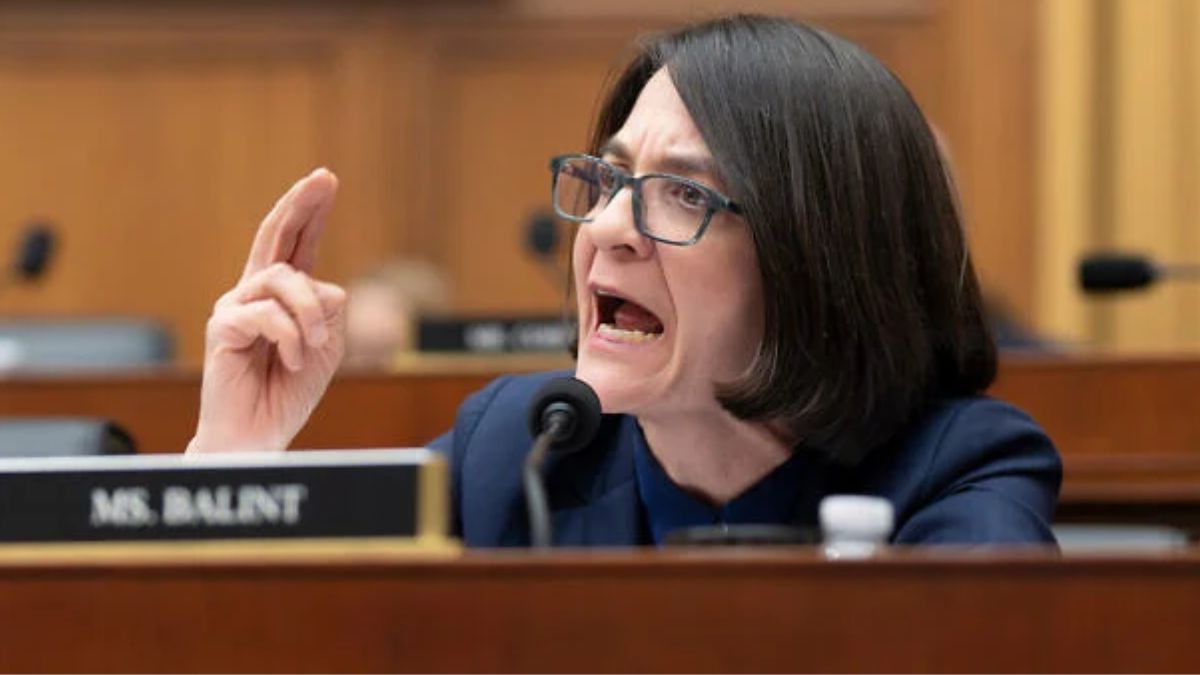
Germany’s finance minister responded bluntly after emergency talks in Berlin, saying Europe “will not allow itself to be blackmailed.” France echoed that message, warning that economic coercion between allies marks dangerous new territory.
The End of Europe’s Soft Approach to Trump
Since Trump returned to the White House for a second term, European leaders largely chose restraint. Private diplomacy, personal outreach and careful language were meant to prevent public clashes.
That approach now appears to be over.
“This is a line that cannot be crossed,” said Germany’s Lars Klingbeil, signaling that Europe is preparing for confrontation if necessary. Across the EU, officials privately admit that accommodating Washington has delivered diminishing returns.
The Greenland issue has become symbolic — not just about territory, but about whether allies can be pressured through trade threats and security leverage.
Europe’s New Strategy: Dialogue Backed by Power
Despite rising tensions, Brussels is not closing the door on talks. EU officials plan to confront the issue directly during meetings in Switzerland this week, aiming to keep negotiations alive while showing resolve.
Publicly, Europe is offering cooperation on Arctic security, an area of growing importance as climate change opens new shipping routes and strategic interests. Privately, however, the European Commission is preparing countermeasures.
EU diplomats confirm that retaliatory tariffs worth up to €93 billion are under consideration if Washington moves ahead with what officials now call “Greenland tariffs.”
Europe’s Economic Weight Matters
While the EU often struggles to act as one on foreign policy, trade is where it holds real power. The bloc accounts for nearly 16% of global trade and remains the world’s largest single market.
European companies employ millions of American workers across all 50 US states. Any serious trade dispute would hit US consumers as well, driving up prices and threatening jobs — a point EU officials hope will resonate in Washington.
“Our priority is engagement, not escalation,” an EU spokesperson said, while stressing that Europe “cannot afford to remain passive.”
Security Anxiety Beneath the Surface
As Trump presses Greenland, deeper anxieties are surfacing about Europe’s reliance on US security guarantees. Despite increased defence spending, Europe still depends heavily on Washington, especially regarding Ukraine and NATO deterrence.
Also Read: US Intelligence: Putin Ukraine War Goals Remain Unchanged
UK Prime Minister Sir Keir Starmer acknowledged this reality, emphasizing that Britain’s national security and nuclear deterrent rely on close cooperation with the US. His remarks reflect Europe’s dilemma: defending Danish sovereignty without risking a broader security rupture.
Russia and China Are Watching Closely
Moscow and Beijing are following the dispute with interest. Analysts say the public friction feeds a narrative of Western division, potentially emboldening rival powers.
China, in particular, may benefit diplomatically, presenting itself as a more stable trade partner. Canada, once targeted by Trump’s rhetoric, recently expanded limited trade cooperation with Beijing to reduce its dependence on Washington.
A Defining Moment for Europe
Despite the strain, transatlantic relations are not broken. US public opinion remains largely opposed to any military takeover of Greenland, and diplomatic channels remain open.
Still, European unity will be tested if trade retaliation begins to affect voters at home. The Greenland dispute has become a broader test of Europe’s ability to defend its principles while managing a powerful but unpredictable ally.
As one Brussels-based analyst put it, “Trump pressing Greenland has forced Europe to stop whispering and start speaking clearly.”