








Punjab Assembly Passes Kite Flying Regulation Bill 2025
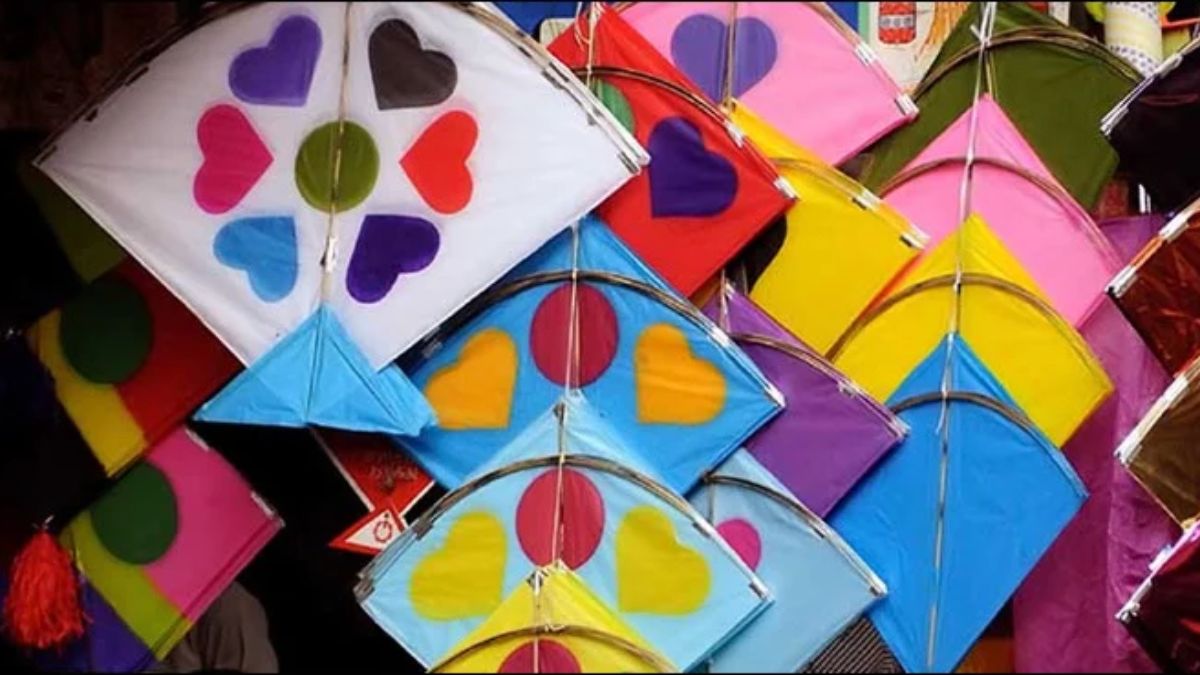
The Punjab Assembly has passed the Punjab Regulation of Kite Flying Bill 2025 by a majority vote. The new law introduces strict regulations and penalties to protect human life and property. It replaces the Punjab Prohibition of Kite Flying Ordinance 2001.
Also Read: Govt Ready for Dialogue With PTI, Says PM Shehbaz
Under the bill, the use, manufacture, storage, and sale of metal wire, nylon string, and chemically coated or glass-lined kite string are banned. The legislation aims to prevent accidents and enforce safer kite-flying practices across Punjab.
Key Provisions of the Punjab Assembly Passes Kite Flying
1. Ban on Hazardous Kite Materials
Under the new bill, the use, manufacture, storage, and sale of dangerous kite strings is strictly prohibited. Metal wire, nylon string, and chemically treated or glass-lined manjha are considered high-risk and are outlawed to prevent injuries and accidents.
2. Strict Penalties for Violations
The legislation sets out severe punishments for offenders:
-
Flying kites without permission, or illegally making, storing, or selling kites, could result in 3 to 5 years imprisonment and fines of up to Rs. 2 million, or both.
-
Individuals involved in producing or selling banned kite strings may face 5 to 7 years in jail and fines of up to Rs. 5 million.
3. Special Provisions for Minors
Children found violating the kite-flying rules will be dealt with under the Juvenile Justice System Act 2018. If fines are not paid, the authorities can recover the amount from the child’s parents or legal guardians, ensuring accountability.
4. Registration Requirements for Legal Kites
Manufacturers and sellers of authorized kites and cotton strings must register with the authorities. Selling unregistered kites or materials can lead to 1 to 5 years in prison or fines, emphasizing regulation and traceability.
Kite-flying associations must also register, with deputy commissioners having the power to cancel registrations in case of violations. An appeals process is available at the magistrate, deputy commissioner, and commissioner levels.
5. Law Enforcement Powers
Violations under the law are considered non-bailable, allowing police to make arrests without a warrant. Officers of sub-inspector rank or above can conduct searches and seize banned equipment. The government may authorize other departments to enforce these rules as necessary.
6. Designated Kite-Flying Events
Deputy commissioners can permit kite-flying on specific days and at designated locations. These events must follow strict safety measures, especially for motorcyclists and other vulnerable groups, ensuring that public festivals are safe and controlled.
7. Incentives for Reporting Violations
The law provides rewards of up to Rs. 5,000 for individuals who report illegal kite-flying activities, promoting public participation in enforcement and increasing compliance.
Legislative Process and Passage
The bill was passed by a majority vote in the Punjab Assembly on Wednesday. Opposition lawmakers had proposed amendments to the kite-flying regulation bill, but all suggestions were rejected during the legislative session.
Also Read: PM Shehbaz Sharif Expresses Grief Over Death of PML-N MPA Irfan Shafi Khokhar
Alongside the kite regulation bill, the assembly also approved:
-
Second Amendment to the Police Order Bill 2025
-
Amendment to the Agriculture, Food and Drug Authority Punjab Bill 2025
With the passage of these three key bills in a single sitting, the Punjab Assembly has strengthened regulations on kite-flying, policing, and food safety across the province.
Impact of the New Kite-Flying Regulations
The Punjab Kite Flying Bill 2025 aims to strike a balance between preserving cultural traditions and ensuring public safety. By banning dangerous kite strings and introducing strict fines and imprisonment, the law is expected to reduce accidents and fatalities associated with kite flying.
Furthermore, registered kite-flying events with deputy commissioner oversight and safety requirements will ensure that kite festivals remain enjoyable without risking human life or property damage.
The government’s emphasis on law enforcement powers, juvenile accountability, and incentives for reporting violations signals a proactive approach to controlling hazardous kite-flying practices while maintaining cultural festivities.
Conclusion
The Punjab Assembly’s passage of the Kite-Flying Regulation Bill 2025 marks a significant step in public safety legislation. The law provides a clear legal framework for regulating kite flying, ensuring accountability, and promoting safe cultural celebrations across Punjab.