









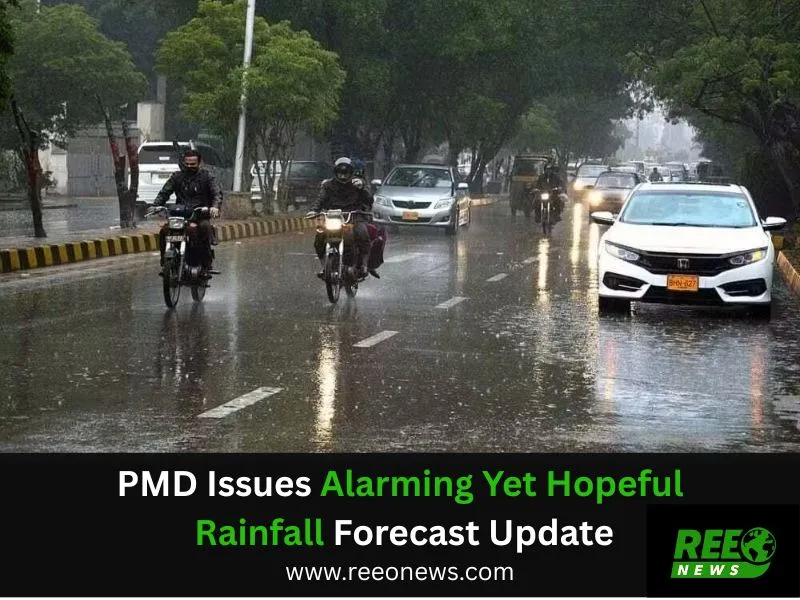
PMD Forecast Update
The Pakistan Meteorological Department (PMD) has released its latest three-month climate outlook, and the findings are both concerning and cautiously optimistic for the agricultural sector. According to the PMD Rainfall Forecast, Pakistan is expected to face below-normal rainfall in December and early January, a pattern that could significantly impact soil moisture, Rabi crops, and water availability across multiple regions. Farmers and decision-makers are being urged to take timely precautionary steps to minimize damage, especially in vulnerable rain-fed areas.
This detailed forecast highlights the weather patterns expected from December through February. While the early part of the season may bring challenges, improvements are anticipated later, bringing hope for better crop conditions and environmental stability.
A Dry Start: Below-Normal Rainfall in December and January
PMD’s latest assessment warns that rainfall will remain significantly lower than normal during December and the first half of January. This prolonged dry spell may lead to:
Reduced soil moisture
Stress on Rabi crops, especially wheat, barley, mustard, and gram
Declining water levels in small dams and reservoirs
Increased reliance on tube wells and irrigation, raising costs for farmers
The severity of the moisture deficit is expected to vary by region, with the biggest impact expected in Khyber Pakhtunkhwa (KP), Kashmir, Gilgit-Baltistan, Potohar region, and other rain-fed agricultural zones.
These areas depend largely on winter rainfall to support crop development. Without sufficient moisture, crops may experience delayed growth, reduced yield potential, and increased vulnerability to disease.
Also Read: Committee Concludes Meeting on Ali Gilani’s PTA Tax Review
Temperature Rise Expected to Worsen Crop Stress
Along with the dry spell, the PMD Rainfall Forecast indicates that temperatures may remain higher-than-normal during this period. While warmer temperatures may feel pleasant for some areas, they pose serious complications for agriculture.
Higher temperatures can:
Speed up evaporation, worsening soil dryness
Increase the risk of pest infestations, especially aphids and armyworms
Stress young Rabi crops during their crucial growth stage
Reduce moisture retention in drylands
Farmers in KP, Punjab’s barani (rain-fed) areas, and northern regions are especially encouraged to stay alert and adopt integrated pest management practices.
Impact on Rain-Fed Agriculture: A Critical Concern
Pakistan’s rain-fed (barani) areas produce a significant portion of wheat and other Rabi crops. The PMD forecast warns that these regions will face the greatest challenges this season.
Rain-fed zones depend almost entirely on winter rains for irrigation. Without adequate rainfall:
Crop emergence slows
Roots fail to develop properly
Growth phases become uneven
Yield potential is compromised
For many farmers, especially in rural northern Pakistan, this could lead to economic stress, making timely government support essential.
Environmental Side Effects: More Smog and Fog Expected
The dry and stable weather predicted in the PMD Rainfall Forecast may also worsen winter smog and fog levels, especially in Punjab’s major cities, including:
Lahore
Faisalabad
Gujranwala
Rawalpindi
Low rainfall means pollutants and dust particles linger in the air longer, deepening air-quality issues. Transportation disruptions may also increase due to thick fog in the plains.
Also Read: DeepSeek’s Free GPT-5 Rival Delivers a Powerful Breakthrough
Relief Expected: Rainfall to Improve in Late January and February
While the forecast for early winter is concerning, PMD provides hopeful news for the later part of the season. According to the department, weather conditions are expected to improve starting late January, with better rainfall likely during February.
This shift will bring multiple benefits:
Restoration of soil moisture
Boost to late-sown wheat and other Rabi crops
Improvement in air quality
Replenishment of water reserves in dams and canals
Better conditions for horticulture and fodder production
Farmers who can delay sowing or irrigate their fields temporarily may be able to recover losses once this rainfall arrives.
PMD Advises Farmers: Take Early Precautionary Steps
The PMD Rainfall Forecast includes several important recommendations to help farmers reduce losses:
1. Use Efficient Irrigation Systems
Farmers should utilize available irrigation resources wisely and adopt efficient techniques, like:
Drip irrigation
Sprinkler systems
Mulching to preserve soil moisture
2. Monitor Crops for Pests
Since higher temperatures increase pest risks, farmers should:
Conduct regular crop inspections
Use biological or chemical controls responsibly
Coordinate with local agriculture departments
3. Avoid Late Sowing Where Possible
In dry areas, delaying sowing may affect yield severely. Farmers are urged to sow on time or shift to drought-resistant varieties if possible.
4. Plan to Benefit from February Rainfall
The improved rainfall forecast for February may help in:
Late-season irrigation
Boosting growth phases
Enhancing grain formation
Read Also: Islamabad Sets New Criteria for Mandatory Emission Testing
Government and Authorities: A Need for Preparedness
PMD also urges provincial governments and agriculture departments to:
Support farmers with timely advisories
Offer subsidies for irrigation technologies
Provide fertilizers and pest control support
Strengthen water conservation policies
Early coordination can protect thousands of farmers from avoidable losses.
Conclusion
The PMD Rainfall Forecast paints a mixed picture for Pakistan’s winter weather. While the season will begin with below-normal rainfall, moisture stress, and higher temperatures, the second half of the winter brings hope with improved rainfall and better crop-growing conditions.
Farmers who stay informed and adopt timely precautionary measures will be better positioned to overcome early challenges and benefit from February’s expected improvement. As weather patterns shift globally, such forecasts remain essential for safeguarding Pakistan’s food security and agricultural economy.