








Pakistan Seeks Relief on Pakistan UAE Loan Amid Economic Pressure
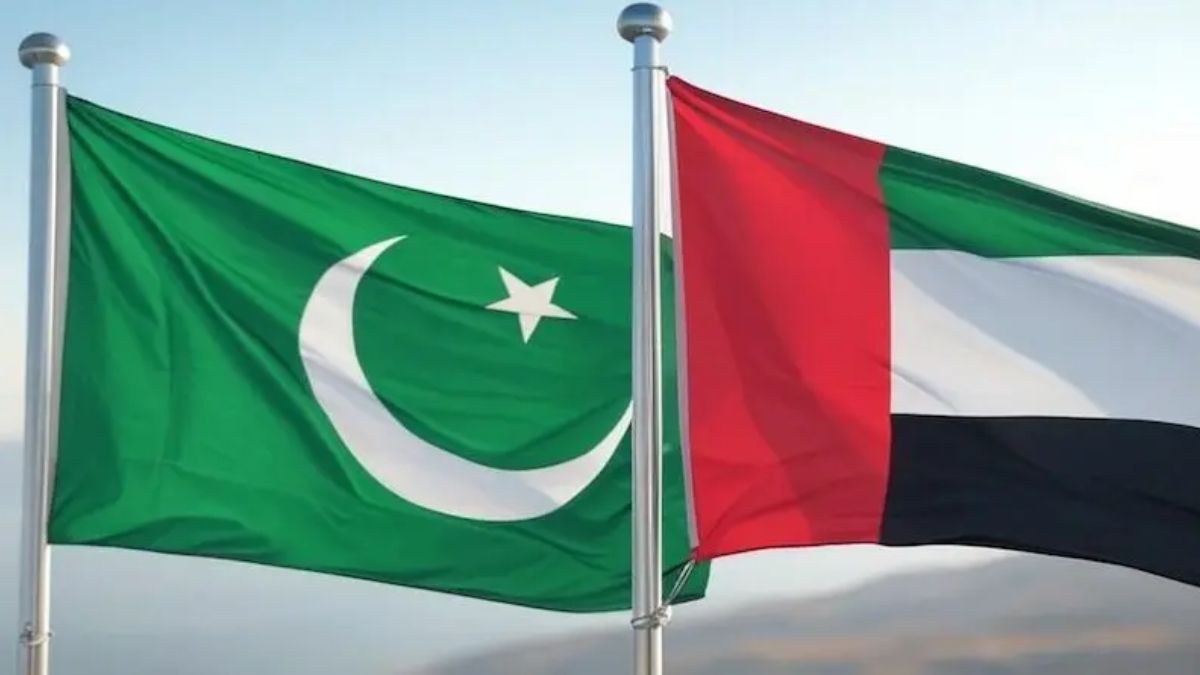
Pakistan has formally approached the United Arab Emirates (UAE) to roll over a $2.5 billion loan for up to two years while also requesting a significant reduction in the interest rate. The move comes as Islamabad continues to manage fragile external finances under an ongoing International Monetary Fund (IMF) programme and slowing export growth.
Also Read: Pakistan IMF Exit Possible Defence Orders Rise in Islamabad
The Pakistan UAE loan request was made around the time of UAE President Sheikh Mohamed bin Zayed Al Nahyan’s visit to Islamabad, according to government and central bank sources. Prime Minister Shehbaz Sharif later stated that the UAE had agreed “in principle” to extend the loan, although the duration and revised interest terms were not publicly disclosed.
Officials at the State Bank of Pakistan (SBP) and the Ministry of Finance were yet to formally confirm the final arrangement at the time of reporting.
Why the Pakistan UAE Loan Rollover Matters
The Pakistan UAE loan forms a crucial part of the country’s external financing structure. Of the total amount, $2.45 billion is maturing, including $1 billion due immediately and another $1 billion falling due within days, officials said. These deposits are counted as part of Pakistan’s $16 billion foreign exchange reserves, which are vital for managing imports and meeting external payment obligations.
In 2018, the UAE had extended $2 billion to Pakistan for one year, offering temporary relief during a balance-of-payments crisis. That support helped Islamabad stabilize reserves at a critical moment.
Deputy Prime Minister and Foreign Minister Ishaq Dar recently told reporters that Pakistan still owes $12 billion to friendly countries, including $5 billion to Saudi Arabia, $3 billion to the UAE, and $4 billion to China.
Request to Cut Interest Rate Nearly in Half
A central part of Islamabad’s appeal is a reduction in the interest rate on the Pakistan UAE loan. In 2018, the UAE charged around 3 percent interest, but this rate was increased to 6.5 percent last year, reflecting tighter global financial conditions.
Also Read: Pakistanis Jobs in Italy Allocates 10,500 Opportunities
Sources say Pakistan has now requested the interest rate be brought back down to around 3 percent, arguing that the country’s credit outlook has improved and global rates are beginning to ease.
Economists in Islamabad note that even a small reduction could save Pakistan tens of millions of dollars annually in debt servicing costs. “Lower interest on bilateral loans directly eases pressure on the budget,” said an independent economic analyst.
Decades-Old Loan Also Under Discussion
The talks also include a $450 million loan taken from the UAE in 1996–97, which remains unpaid and currently carries a 6.5 percent interest rate. Government officials confirmed that Pakistan has sought a two-year extension on this facility as well.
According to finance ministry sources, repaying this loan during the current IMF programme — which ends in September next year — would be extremely difficult without risking reserve stability.
“This is legacy debt, but the cost has grown over time,” a senior official said. “The request is aimed at managing repayments responsibly rather than creating new stress.”
IMF Programme and External Financing Challenges
Pakistan’s economic stability remains closely tied to continued support from international lenders. While the IMF programme has helped restore some macroeconomic stability, it has also limited Islamabad’s fiscal flexibility.
Exports remain weak, adding to external pressure. Official figures show exports fell nearly 9 percent to $15.2 billion during the first half of the current fiscal year.
Prime Minister Shehbaz Sharif has set an ambitious goal of increasing exports from $32 billion last year to $63 billion within four years, forming a special committee to drive reforms. However, analysts warn that structural challenges remain deep-rooted.
World Bank Raises Investment Concerns
Separately, the World Bank has warned that Pakistan’s investment levels are well below targets set under the $20 billion Country Partnership Framework (CPF).
During a meeting in Islamabad with Finance Minister Muhammad Aurangzeb, World Bank Country Director Bolormaa Amgaabazar stressed the need to convert macroeconomic stability into higher private investment, sustainable growth, and job creation.
Also Read: CDA Raises Rs. 13.52 Billion on First Day of Plot Auction
The World Bank also discussed the potential use of policy-based guarantees to help Pakistan refinance high-cost debt, subject to the implementation of agreed reforms.
Energy Debt and Public Impact
Last week, Pakistan also sought World Bank support to refinance $36 billion in energy sector debt, aiming to replace expensive loans with cheaper, long-term financing. Officials hope this move could eventually bring electricity prices down to around Rs25 per unit.
High energy costs remain a major concern for households and businesses alike. Industrialists say lower tariffs could improve competitiveness and support export growth, while consumers continue to struggle with rising utility bills.
Public and Market Reaction
Market observers believe a successful rollover of the Pakistan UAE loan at lower interest would send a positive signal to investors and credit rating agencies. However, public sentiment remains cautious.
People understand that rollovers prevent default, but there is frustration that everyday costs remain high, said a Karachi-based economist. Debt relief must translate into real economic relief.
As Pakistan navigates a delicate economic recovery, securing favorable terms on the Pakistan UAE loan remains critical for near-term stability.