





Pakistan May Boycott India Match in T20 World Cup
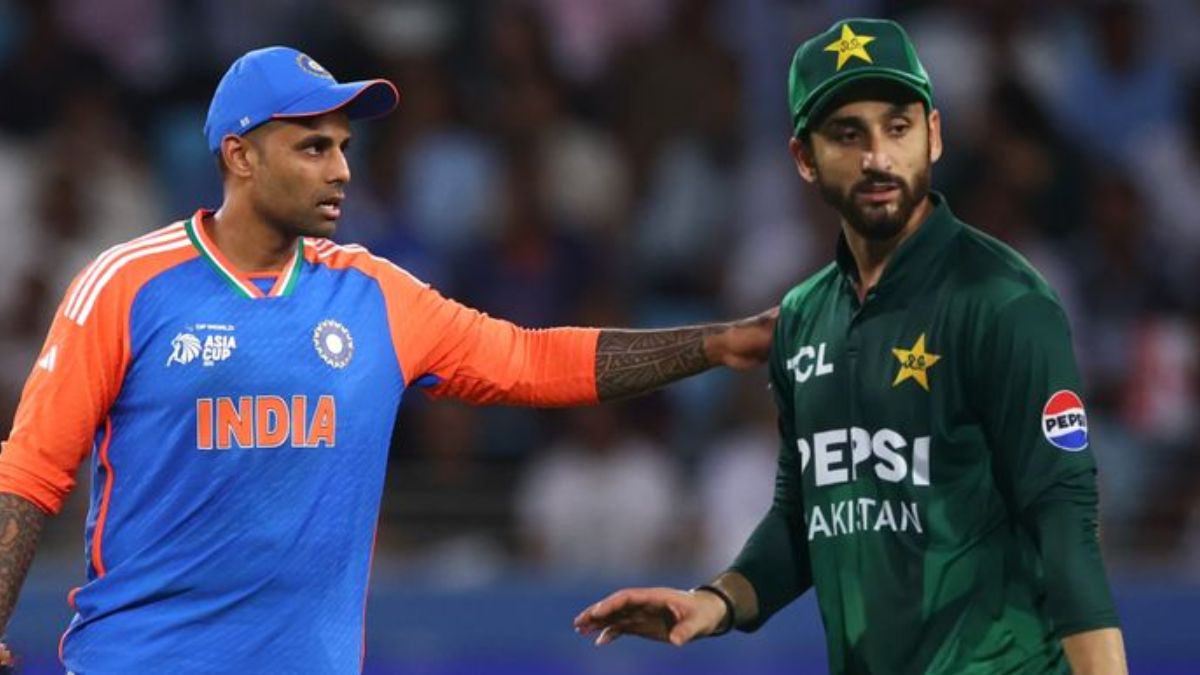
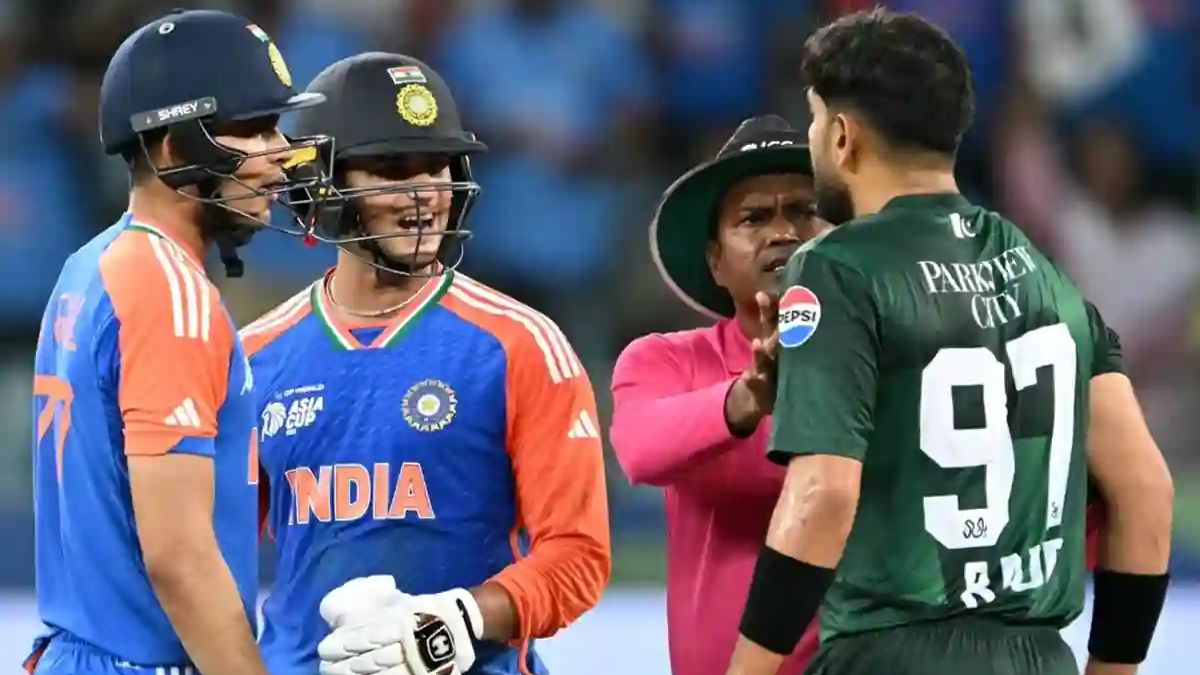
Pakistan’s cricket authorities are weighing a dramatic decision that could shake the upcoming T20 World Cup. The Pakistan Cricket Board is reportedly considering skipping its high-profile match against India on February 15 in Colombo.
As tensions rise, the possibility that Pakistan May Boycott India Match in T20 World Cup looms large over fans and players alike.
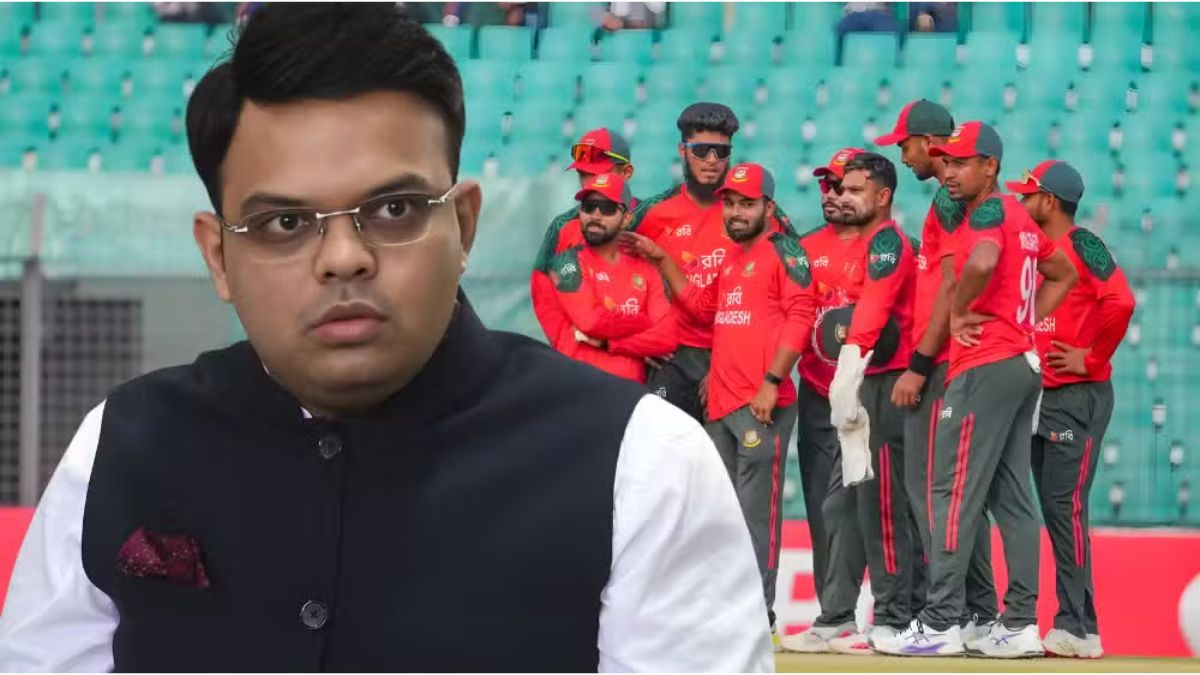
The move comes as a protest against what PCB calls double standards by the International Cricket Council. Bangladesh was recently expelled from the tournament and replaced with Scotland, a decision that has sparked outrage in Islamabad and Dhaka.
Also Read: Bangladesh Requests ICC to Shift T20 World Cup Matches
Sources close to the PCB told Reeo News that multiple response options are on the table. The most serious one involves refusing to take the field against India, Pakistan’s arch-rivals in what’s typically the tournament’s most-watched fixture.
Potential Outcomes if Pakistan May Boycott India Match in T20 World Cup
The current standoff began when Bangladesh refused to travel to India for their World Cup matches. The Bangladesh Cricket Board cited security concerns and asked the ICC to relocate their games to Sri Lanka instead.
The ICC rejected the request outright and removed Bangladesh from the competition. Scotland was brought in as a replacement, joining the group stage that includes Pakistan, India, Netherlands, USA, and Namibia.
What made Bangladesh’s concerns particularly pointed was a recent incident in the Indian Premier League. Bangladeshi fast bowler Mustafizur Rahman was dropped from the tournament after receiving threats from Hindu extremist groups.
Bangladesh’s argument was straightforward: if India couldn’t protect one player in a domestic league, how could they guarantee safety for an entire national team during a global event?
Naqvi Calls Out ICC’s Double Standards
PCB Chairman Mohsin Naqvi hasn’t minced words about the situation. He met with Pakistan’s national team players in Lahore on Sunday and briefed them on the board’s position.
“Bangladesh has been treated unfairly,” Naqvi said after the meeting. “You cannot have double standards, where one country can make whatever decision whenever and do the total opposite for another country.”
He was referring to the hybrid model used for last year’s Champions Trophy, where Pakistan’s matches were moved out of India due to security concerns. India was allowed to play all their games in neutral venues, a courtesy not extended to Bangladesh.
The players backed their chairman. “We all stand with PCB’s principled position,” they said in a joint statement.
Naqvi also warned about the growing influence of the Board of Control for Cricket in India within ICC decisions. “Pakistan will assert its stance if any attempt at dictation is made,” he added.
What a Boycott Would Mean
If Pakistan decides not to play, the immediate sporting penalty would be minimal. The team would forfeit two points in the group stage, which might not eliminate them from advancing to the Super Eight round.
But the financial implications could be massive. Pakistan-India cricket matches are among the most lucrative fixtures in world sport, generating hundreds of millions in broadcasting revenue and advertising deals.
Also Read: T20 World Cup 2026 Pakistan Full Fixture and Schedule
A boycott would hit the ICC’s wallet hard. And that, sources say, is exactly what the PCB is counting on.
Even if Pakistan ultimately plays in the tournament, the board intends to keep its protest options visible. It’s a calculated strategy to maintain pressure on the ICC while waiting for direction from Islamabad.
Government Will Have Final Say
PCB Chairman Naqvi is scheduled to meet with Prime Minister Shehbaz Sharif to discuss the matter. However, the prime minister is currently abroad.
“We will announce the final decision after he returns to the country,” Naqvi confirmed.
The PCB has made clear it will follow whatever decision the Pakistani government makes. This approach keeps the door open for diplomatic negotiations while maintaining Pakistan’s sporting leverage.
Cricket and politics have always been intertwined in South Asia. But this situation highlights how tournament administration and security concerns can quickly escalate into broader regional tensions.
Pakistan’s World Cup Schedule
Pakistan’s campaign begins on February 7 against the Netherlands in Colombo. They face the USA on February 10, then the potential flashpoint against India on February 15, followed by Namibia on February 18.
The squad is led by Salman Ali Agha and includes star players like Babar Azam, Shaheen Shah Afridi, and Naseem Shah. The team was recently announced and players have been briefed on the evolving situation.
If Pakistan makes it through the group stage, they’ll compete in the Super Eight round from February 21 to March 1, with matches split between India and Sri Lanka. The semifinals are scheduled for March 4 and 5, with the final on March 8 in either Ahmedabad or Colombo.
Broader Questions About Cricket Governance
This controversy raises uncomfortable questions about how international cricket is governed. Should security concerns be treated consistently across all member nations? Does the financial power of certain cricket boards influence ICC decisions?
Also Read: ICC Men’s T20 World Cup 2026: A High-Stakes Cricket Battle Begins
Bangladesh argued they were making a principled stand based on legitimate safety fears. Pakistan is now backing that position, claiming the ICC applied different rules for different countries.
The situation also highlights the delicate balance between sport and politics in the subcontinent. Cricket matches between India and Pakistan carry enormous emotional and financial weight, making them valuable bargaining chips in disputes.
What Happens Next
The cricket world is now watching Rawalpindi and Islamabad for signals about Pakistan’s final decision. Will the PCB follow through with a boycott, or will diplomatic channels find a compromise?
Prime Minister Sharif’s return to Pakistan will be crucial. His government will need to weigh sporting interests against broader diplomatic and economic relationships in the region.
For now, the PCB is keeping all options open while maintaining its criticism of the ICC’s handling of the Bangladesh situation.