





Pakistan IMF Reliance Questioned After Defence Boost
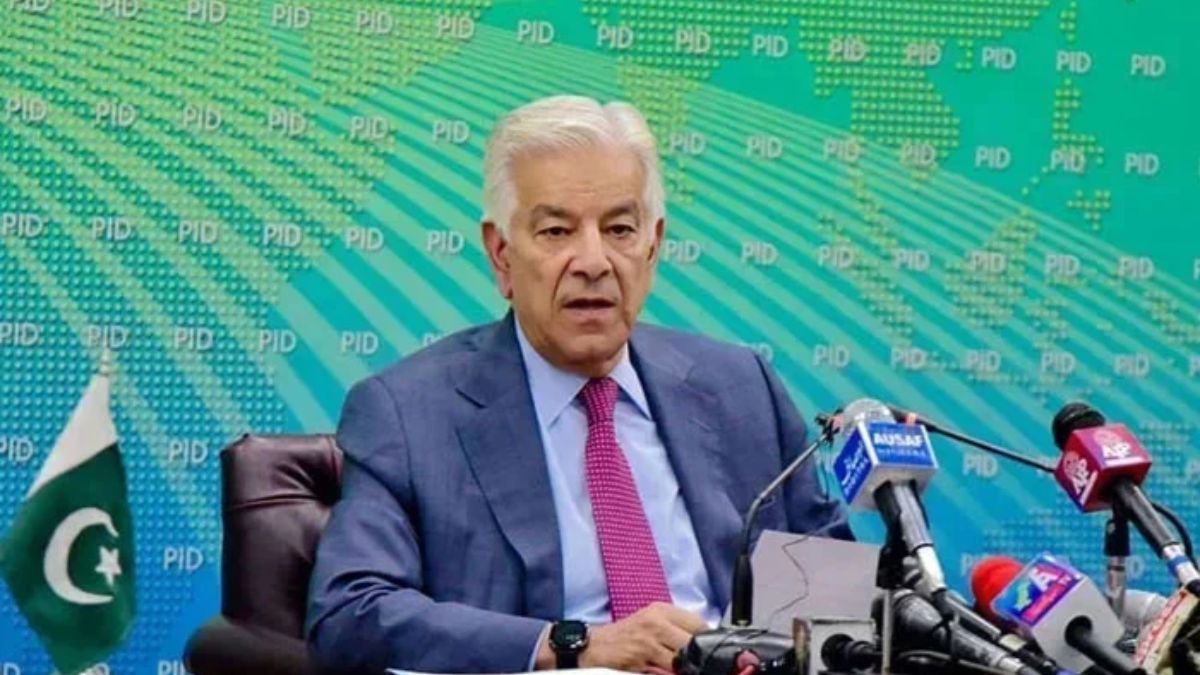
ISLAMABAD — Pakistan’s dependence on the International Monetary Fund (IMF) could ease within the next six months as rising defence export orders begin to strengthen the national economy, Defence Minister Khawaja Muhammad Asif said on Tuesday, pointing to the impact of Pakistan’s military performance during the May 2025 conflict with India.
Also Read: PM Orders Port Reforms to Cut Cargo Delays, Boost Exports
Speaking on Geo News programme Capital Talk, the defence minister said the May 2025 Pakistan–India conflict significantly altered global perceptions of Pakistan’s military strength. He claimed the confrontation not only tested Pakistan’s defence systems in real conditions but also boosted the country’s credibility, particularly in the eyes of potential defence partners.
Pakistan IMF May 2025 Conflict Changed Global Perception
Referring to the brief but intense Pakistan–India confrontation in May 2025, Khawaja Asif said the conflict altered how the world views Pakistan’s military strength. He claimed the episode exposed weaknesses in India’s military posture while strengthening Pakistan’s credibility.
“The world witnessed Pakistan’s resolve and effectiveness,” Asif said, adding that Indian Prime Minister Narendra Modi’s image suffered both domestically and internationally after the clash.
The conflict erupted after India launched strikes following an attack on tourists in Indian Illegally Occupied Jammu and Kashmir (IIOJK). New Delhi blamed Pakistan-based elements for the incident, a claim Islamabad strongly denied, instead calling for an independent and neutral investigation.
After nearly 87 hours of hostilities, the fighting ended on May 10 through a ceasefire brokered by the United States.
Defence Orders Fuel Economic Optimism
One of the most striking claims made by the defence minister was that Pakistan’s defence exports could help ease the country’s financial dependence on international lenders.
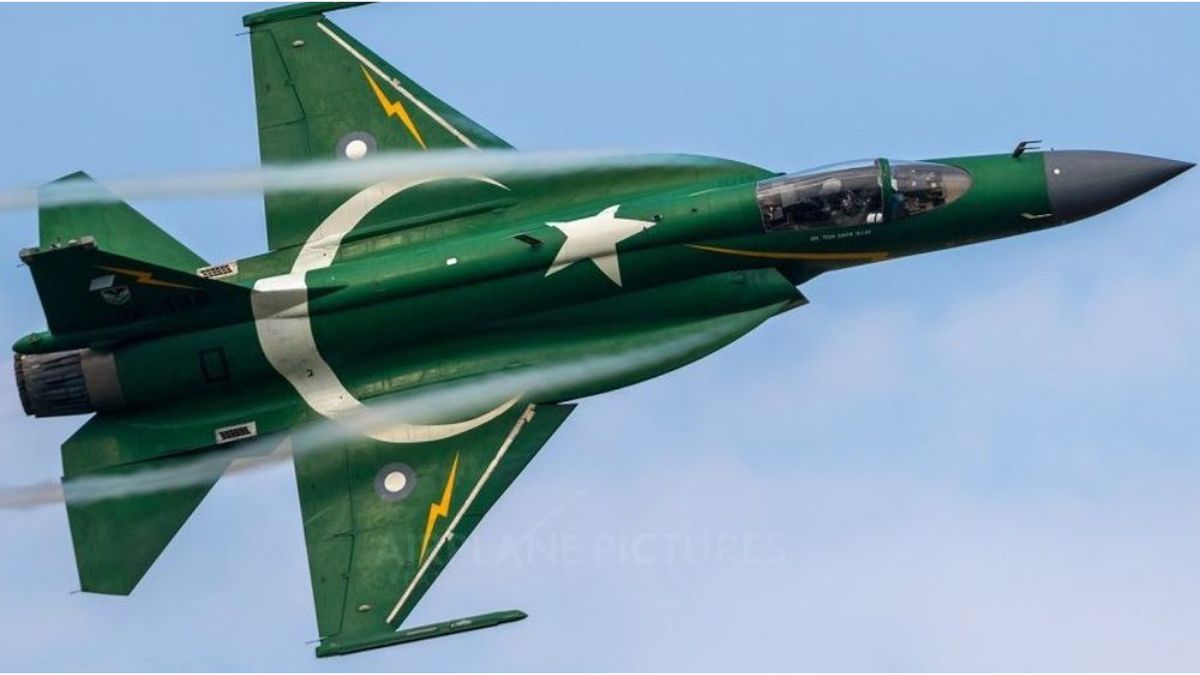
“Our aircraft have been tested in real combat conditions,” Asif said. “We are receiving so many orders that Pakistan may not need the IMF in six months.”
Defence analysts say that modern militaries often gain export interest after real-world performance, as buyers prefer systems proven under pressure. Pakistan’s aviation and defence manufacturing sectors, including aircraft, drones, and support systems, have long sought greater access to global markets.
While the government has not released official figures on the value of new defence contracts, industry observers believe even a modest increase in exports could help improve foreign exchange inflows.
Caution From Economic Experts
Despite the optimism, economists in Islamabad have urged caution. They argue that while defence exports can contribute positively, replacing IMF support entirely within six months would require sustained inflows and broader structural reforms.
“Defence sales alone cannot fix balance-of-payments issues overnight,” said an Islamabad-based financial analyst speaking to Reeo News. “However, they can certainly reduce pressure if combined with fiscal discipline and export growth.”
Pakistan is currently operating under IMF-backed economic frameworks aimed at stabilising the economy, controlling inflation, and rebuilding reserves.
Warning to India Over Future Aggression
Khawaja Asif also issued a strong warning to India, stating that any future aggression would be met with the same level of response.
“If India acts aggressively again, we will respond in the same manner,” he said.
The minister claimed that during the May conflict, India reached out to both the United States and China for diplomatic support, while Pakistan relied on its own military capabilities on the ground.
According to Pakistani officials, six Indian fighter jets, including advanced Rafale aircraft, were shot down during the conflict — a claim India has not officially confirmed.
Regional Security and Taliban Concerns
Beyond India, the defence minister expressed concerns over regional security, particularly regarding Afghanistan. He criticised the Afghan Taliban and the Tehreek-e-Taliban Pakistan (TTP), alleging links between militant groups and India.
Also Read: Petrol, Diesel Prices Cut for Next Fortnight in Pakistan
Asif also accused the Khyber Pakhtunkhwa provincial government of allowing TTP elements to collect extortion funds, claiming governance failures had worsened the security situation.
“These groups cannot be trusted, regardless of faction,” he said, warning that militancy poses a direct threat to Pakistan’s internal stability.
Global Order Under Strain, Says Minister
Expanding his remarks to global affairs, Khawaja Asif said the international order is increasingly fragile. He drew comparisons with Venezuela, arguing that Pakistan’s strong military differentiates it from countries vulnerable to external intervention.
He also commented on conflicts involving major powers, saying Russia had some justifications in Ukraine, while recent actions against Venezuela lacked legal or moral grounds.
On the Middle East, Asif strongly criticised Israel’s leadership, calling Prime Minister Benjamin Netanyahu the “most wanted criminal” and urging accountability for alleged human rights violations.
Public Reaction Mixed but Hopeful
Public reaction to the minister’s statement has been mixed. While many Pakistanis welcomed the idea of reduced IMF dependence, others urged the government to focus equally on inflation relief, job creation, and governance reforms.
Social media users praised the armed forces’ performance but questioned whether defence exports alone could stabilise the broader economy.
As Pakistan navigates economic challenges and shifting regional dynamics, the defence minister’s remarks have reignited debate over the country’s financial future and strategic direction. Whether rising defence orders can truly reduce reliance on the IMF remains to be seen, but officials insist the opportunity marks a turning point.