








New PIA Owners Expect Losses in Initial Years After Privatization
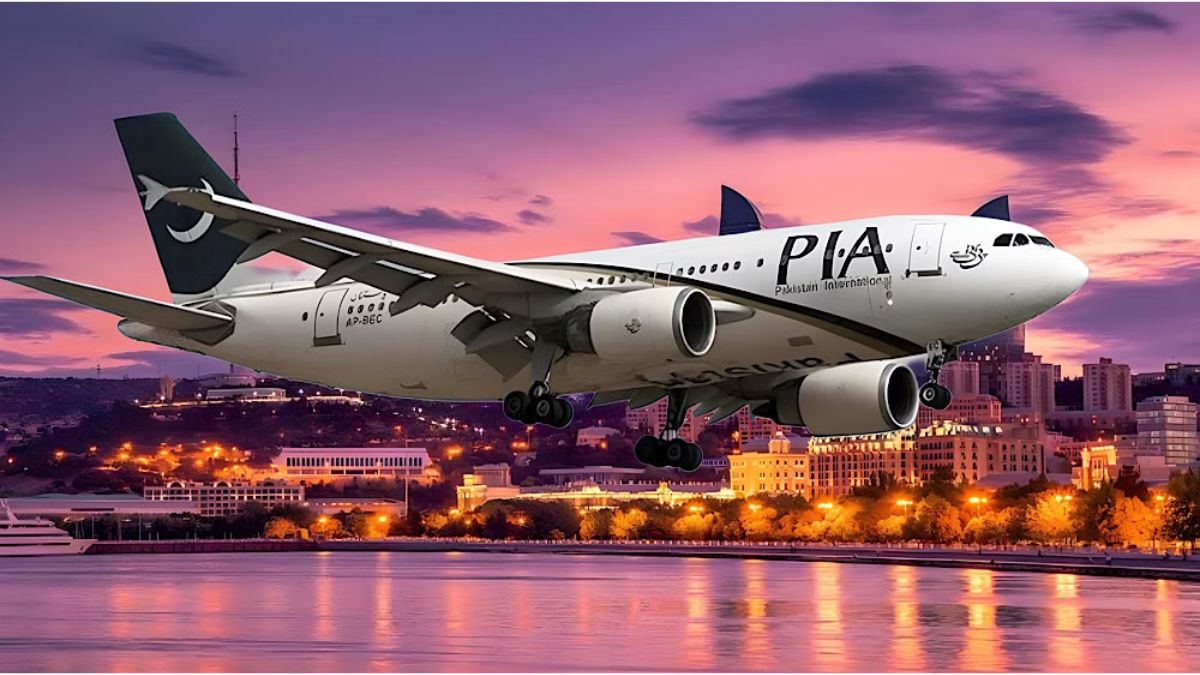
The new owners of Pakistan International Airlines (PIA) say the airline will continue to incur losses in the first one to two years after privatization. This is despite a planned $400 million investment aimed at restoring operations, expanding the fleet, and improving passenger services.
Also Read: PIA Privatisation Ensures National Identity Remains Intact
A Pakistani consortium led by the Arif Habib Group acquired a 75 percent stake in PIA on December 23 for Rs135 billion. The deal values the national carrier at around Rs180 billion and marks one of Pakistan’s largest privatization efforts in decades.
$400 Million Investment Plan
According to Arif Habib, CEO of the Arif Habib Group, the new PIA owners plan to invest around $400 million over the next seven years. The funding will be used to absorb early financial losses, expand the airline’s fleet, and improve operational efficiency.
Nearly two-thirds of the total investment is expected to be injected at the time of takeover, which is anticipated in April, while the remaining portion will be provided at a later stage. The capital injection is intended to support immediate improvements in aircraft condition, maintenance standards, and customer experience.
Habib stated that while losses are expected during the first one to two years, the investors are focused on medium- to long-term returns rather than short-term profitability.
Expected Losses in Early Years
The new PIA management has openly acknowledged that a financial turnaround will take time. Habib said the airline may continue to post losses for one to two years as the restructuring process begins.
However, he added that once operational discipline is restored and services improve, PIA is expected to move toward profitability in the medium term. Over a longer horizon of around 10 years, the airline is projected to deliver what he described as “reasonable returns” to investors.
PIA currently carries liabilities of around Rs9 billion on its balance sheet and has accumulated more than $2.8 billion in losses over previous years due to chronic mismanagement, political interference, overstaffing, and operational inefficiencies.
Fleet Expansion Strategy
A major pillar of the new owners’ turnaround plan is a significant expansion of PIA’s aircraft fleet. At present, Pakistan International Airlines operates only 19 aircraft, limiting its ability to serve high-demand domestic and international routes.
Under the proposed strategy, the airline plans to expand its fleet to 38 aircraft in the first phase. These will include four- to seven-year-old narrow-body and wide-body aircraft. In the second phase, the fleet will be further expanded to 64 aircraft over the coming years.
Habib said limited aircraft availability has prevented PIA from fully capitalizing on lucrative international markets, particularly routes to the United Kingdom, United States, and Canada.
Focus on International Routes
The new PIA owners have identified North America and the United Kingdom as key growth markets. According to Habib, there is strong unmet demand on these routes, and increasing flight frequency could significantly improve revenue.
He said the airline plans to increase flights to the UK and resume operations to Canada from Karachi and Lahore, in addition to existing routes from Islamabad. PIA management is also in discussions with the US Federal Aviation Administration (FAA) to resume flights to the United States, which were suspended due to regulatory issues in previous years.
Flights to the European Union and the UK had earlier been banned following a pilot licensing scandal in 2020, but those restrictions have since been lifted, providing fresh momentum for international expansion.
Service Revamp and Passenger Experience
Improving passenger experience is another core element of the PIA turnaround plan. Habib said the new management will renovate check-in counters and aircraft cabins, replace seats, and install in-flight entertainment systems across the fleet.
Also Read: Pakistanis Jobs in Italy Allocates 10,500 Opportunities
He emphasized that strict flight punctuality will be enforced to restore customer confidence and rebuild the airline’s reputation. According to him, punctual operations are critical to changing the internal culture of the airline and improving public perception.
Maintenance standards will also be upgraded as part of the broader operational overhaul.
Brand Identity and Possible Changes
Under the privatization agreement, the airline’s name and logo will remain unchanged. However, Habib did not rule out making selective branding updates in the future, including potential changes to staff uniforms.
He said it was too early to make final decisions but confirmed that all options to refresh the brand and improve its image would be considered.
Strategic Partnerships and Future Ownership
The consortium has also been given the option to acquire the government’s remaining 25 percent stake in PIA within 90 days. Habib said the group is considering exercising this option and may bring in a foreign airline as a strategic and technical partner.
Such a partnership, he explained, could help improve competitiveness, operational expertise, and global connectivity. In the longer term, the consortium may also consider listing PIA on the stock exchange if additional capital is required.
A Critical Test for Pakistan’s Reforms
PIA’s privatization is being closely watched as a test case for Pakistan’s broader economic reform agenda. The airline’s revival could signal progress in restructuring loss-making state-owned enterprises, while failure could undermine investor confidence.
While challenges remain significant, the new owners insist that sustained investment, disciplined management, and a long-term vision are key to giving Pakistan International Airlines a fresh takeoff after years of decline.