








Karachi Waste
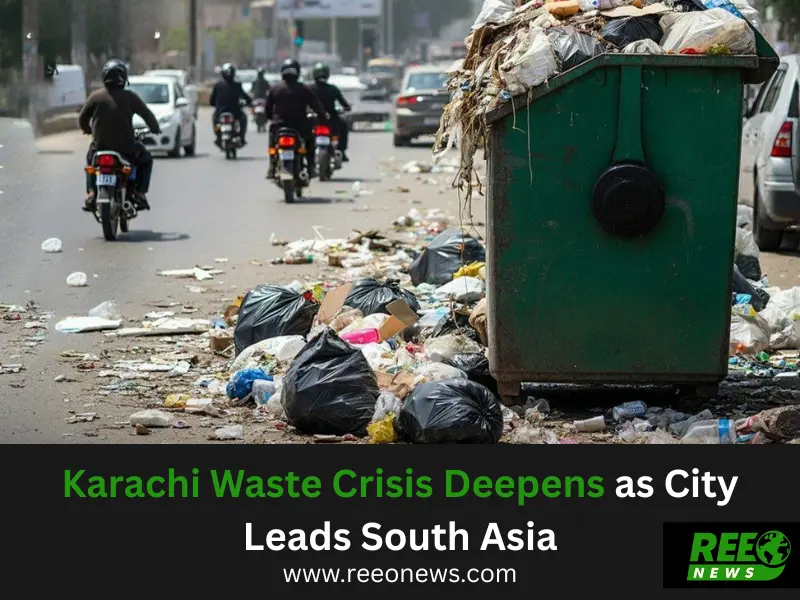
Karachi, Pakistan’s largest metropolitan city and economic nerve centre, is facing an unprecedented waste management emergency. According to the Sindh Solid Waste Management Board (SSWMB), Karachi now generates more than 14,800 tonnes of municipal waste every single day—an astonishing figure that surpasses the daily refuse production of regional megacities such as Mumbai, Delhi and Dhaka.
This alarming revelation was shared by SSWMB Managing Director Tariq Ali Nizamani at a seminar on modern, sustainable waste management solutions aligned with the Sustainable Development Goals (SDGs). The event was jointly hosted by the FPCCI Standing Committee on SDGs and the National Forum for Environment & Health (NFEH) at the Federation House.
Also Read: NUML Gas Leak Explosion Leaves Several Injured on Campus
Karachi Produces More Waste Than Mumbai, Delhi and Dhaka Combined
Karachi’s daily output of 14,800+ tonnes paints a grim picture. With a population exceeding 20 million, years of rapid urbanisation, and a fragile municipal ecosystem, the city generates more waste than many regional capitals with similar or larger populations.
District Central: The Largest Contributor
Among Karachi’s seven districts, District Central produces over 3,000 tonnes per day, the highest in the city.
Organic and Plastic Waste Composition
Nizamani further highlighted that:
42% of Karachi’s waste is organic, indicating massive potential for biogas and composting.
Karachi contributes 25% of Pakistan’s total recyclable plastic waste.
These figures suggest that significant opportunities lie in waste-to-energy conversion—if properly structured and implemented.
SSWMB’s Operational Scale: 13,000+ Workers and 2,305 Vehicles
To manage the city’s overwhelming garbage stream, the SSWMB currently employs:
13,000+ sanitation workers
2,305 dedicated waste management vehicles
Cutting-edge digital tools are being used for real-time tracking, monitoring, and performance measurement across the waste management chain—from household collection to landfill destination. The board also operates a:
24/7 helpline
Call centre
Mobile app for complaints
Furthermore, a World Bank-funded project is underway to upgrade the city’s waste infrastructure, including:
New garbage transfer stations
A fully engineered sanitary landfill
Modern equipment for improved collection and processing
Karachi Waste First Biogas Plant to Start Operations on December 15
One of the most significant steps toward sustainable waste management is the launch of Karachi’s first biogas plant, scheduled to begin operations on December 15 at Bagh Ibn-e-Qasim, Clifton.
Capacity and Impact
The plant will:
Process up to 7 tonnes of livestock waste daily
Supply low-cost cooking gas to 70–80 nearby households
Offer subsidised gas at Rs 2,000 per month
This breakthrough is expected to ease gas shortages for families in the area while reducing the burden on traditional waste disposal systems.
Phase Two: Clean Energy for Public Spaces
In the next phase, the biogas facility will also generate electricity to resolve longstanding lighting issues at Karachi’s iconic Bagh Ibn-e-Qasim park.
Second Biogas Plant Planned for Cattle Colony
A second major biogas plant is being planned at Karachi’s Cattle Colony, where thousands of animals produce large volumes of untreated waste that often ends up in the sea.
This facility will:
Convert organic livestock waste into renewable energy
Reduce marine pollution
Support SDG-aligned waste-to-energy goals
The initiative marks a major shift in Karachi’s environmental strategy—moving from reactive garbage collection to proactive resource recovery.
Upcoming Fines for Waste-Scattering Vehicles
Heavy vehicles transporting garbage across Karachi’s major roads often drop waste along their routes, worsening pollution and urban hygiene.
Nizamani confirmed that:
Vehicles scattering rubbish will soon be fined up to Rs 20,000
SSWMB is awaiting official approval from the provincial government to begin enforcement
Regulating such vehicles is essential for maintaining road cleanliness and reducing secondary pollution.
Experts and Stakeholders Highlight Karachi’s Waste Emergency
Several speakers at the seminar emphasized the critical need for coordinated, technology-driven waste management reforms.
FPCCI Vice President Aman Paracha
He stressed the urgent need for modern waste disposal systems and lamented that unattended garbage heaps remain a significant civic problem.
Senior Environmentalist Saqib Ejaz Hussain
He raised concerns over unsafe and illegal burning of medical waste, especially at night.
This practice contributes significantly to Karachi’s air pollution crisis.
Dawoodi Bohra Community Representative Ali Asghar Quettawala
He called for a one-window waste management system to handle:
Municipal waste
Construction debris
Sewage sludge
Climate Activist Ahmed Shabbar
Shabbar urged the launch of awareness campaigns encouraging citizens to adopt responsible waste practices.
Also Read: Imaan Mazari and Hadi Chattha Seek Fair Trial in best Case
Sindh Launches Crackdown on Key Traffic Violations
In a parallel development, the Sindh Police have launched a strict crackdown across the province, targeting:
Vehicles without number plates
Motorists driving without valid licenses
IGP Sindh Zubair Nazir Ahmed Shaikh issued a province-wide directive ordering district SSPs to take legal action under the Motor Vehicles Ordinance and relevant rules. Daily compliance reports must be submitted by 10:00 am, detailing seizures and FIRs lodged under Section 550 of the CrPC.
The crackdown aims to improve road safety, enforce accountability, and standardize vehicle compliance across Sindh.
Conclusion
Karachi’s waste crisis is one of the largest in South Asia, now exceeding that of Mumbai, Delhi and Dhaka. But with new biogas plants, improved monitoring systems, a World Bank-funded upgrade, and stronger enforcement measures, the city is finally shifting toward sustainable waste management.
However, long-term success will require continued investment, public participation, and strong political will. Karachi’s path to becoming a cleaner, greener megacity has begun—but there is still a long way to go.