







Helicopter Crash on Mount Kilimanjaro Kills Five During Rescue Mission
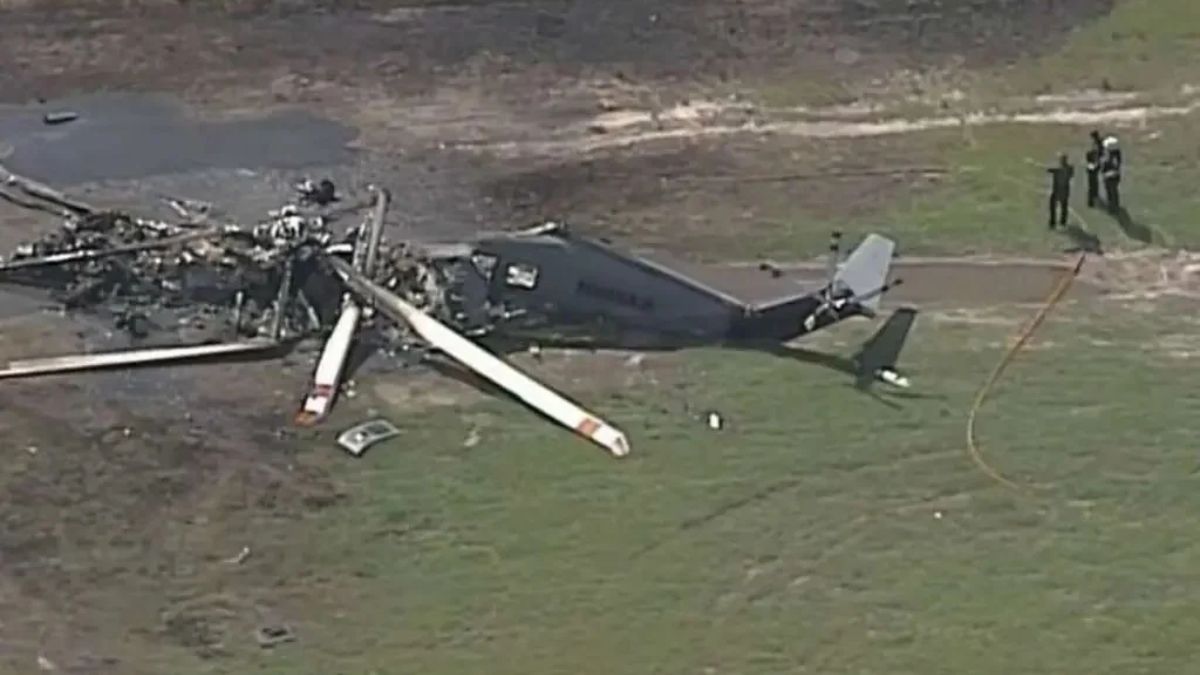
A helicopter crash on Mount Kilimanjaro killed five people on Wednesday, Tanzanian authorities confirmed. The accident occurred near Barafu Camp during a medical rescue mission on Africa’s highest mountain.
Also Read: 8 Terrorists Killed in Kalat Operation, ISPR Confirms
The Tanzania Civil Aviation Authority said all five people on board the helicopter died in the crash. The aircraft went down at high altitude in difficult terrain, prompting an official investigation into the cause of the accident.
Tanzania Confirms Helicopter Crash on Mount Kilimanjaro, All Onboard Dead
The helicopter crash occurred at an altitude between 4,670 and 4,700 meters above sea level, an area known for thin air, unpredictable weather, and rugged terrain. Barafu Camp is located on the southeastern route of Mount Kilimanjaro and is frequently used by climbers preparing for the summit ascent.
Mount Kilimanjaro rises to nearly 6,000 meters (20,000 feet), making it Africa’s tallest mountain and one of the world’s most demanding high-altitude destinations. Operating aircraft in such conditions poses significant challenges due to reduced engine performance, limited landing zones, and rapidly changing weather.
Medical Rescue Mission
Local media outlets, including Mwananchi newspaper and East Africa TV, reported that the helicopter was on a medical rescue mission at the time of the accident. The aircraft was dispatched to evacuate two foreign tourists who were experiencing health complications while climbing the mountain.
Regional police commander Simon Maigwa confirmed that the helicopter was attempting to carry out the emergency evacuation when it crashed near Barafu Camp on Wednesday afternoon. Medical evacuations on Mount Kilimanjaro are considered high-risk operations, particularly at extreme altitudes where aircraft maneuverability is limited.
Victims Identified
Authorities later identified the victims as:
-
Two Czech tourists
-
A Zimbabwean pilot
-
A Tanzanian medical doctor
-
A Tanzanian mountain guide
All five individuals were confirmed dead at the scene. The Civil Aviation Authority expressed deep regret over the loss of life and extended condolences to the families of the victims.
“The authority confirms that all five people on board lost their lives as a result of the accident,” the TCAA said in its official statement.
Aircraft Details
The helicopter involved in the crash was identified as an Airbus H125, a model commonly used for high-altitude operations due to its performance capabilities. The aircraft was owned by a Tanzanian aviation company and was operating under rescue mission protocols at the time of the incident.
Despite the aircraft’s suitability for mountainous terrain, aviation experts note that extreme altitude operations remain inherently dangerous, particularly when weather conditions or mechanical issues arise unexpectedly.
Challenges in Rescue Operations
Rescue and recovery efforts were complicated by the mountain’s altitude and harsh terrain. Officials acknowledged that conducting emergency operations at such elevations presents serious logistical and safety challenges for both air and ground teams.
Mount Kilimanjaro attracts approximately 50,000 climbers each year, many of whom require medical attention due to altitude sickness, fatigue, or weather-related complications. Helicopter rescues, while lifesaving, involve significant risk for pilots and crew members operating in thin air and limited visibility.
Investigation Launched
The Tanzania Civil Aviation Authority has launched an official investigation to determine the cause of the helicopter crash. Investigators will examine a range of factors, including:
-
Weather conditions at the time of the crash
-
Technical or mechanical issues
-
Operational and human factors
The authority said a comprehensive report will be released once the investigation is completed. No preliminary conclusions have been announced so far.
Safety Concerns and Wider Implications
The Kilimanjaro helicopter accident has raised renewed concerns about aviation safety in extreme environments. Emergency rescue missions on high-altitude mountains are essential but inherently dangerous, requiring highly specialized equipment, experienced pilots, and favorable conditions.
Also Read: PM Shehbaz Sharif Expresses Grief Over Death of PML-N MPA Irfan Shafi Khokhar
Tour operators and local authorities are expected to review existing safety protocols and rescue procedures following the incident. The tragedy underscores the importance of strict operational standards and continuous risk assessments for aviation activities in mountainous regions.
Kilimanjaro’s Global Significance
Located in northern Tanzania, Mount Kilimanjaro is one of the country’s most important tourist attractions and a globally recognized natural landmark. Thousands of climbers from around the world attempt to reach its summit each year, contributing significantly to Tanzania’s tourism economy.
While the mountain offers breathtaking scenery and adventure, officials continue to remind climbers of the risks involved and the importance of proper preparation, acclimatization, and adherence to safety guidelines.
Conclusion
The helicopter crash on Mount Kilimanjaro that killed five people stands as a tragic reminder of the dangers faced by rescue teams operating in extreme conditions. As investigations continue, authorities aim to determine the exact cause of the accident and implement measures to prevent similar incidents in the future.
The loss of the pilot, medical personnel, guide, and tourists has deeply affected the local community and the broader aviation and tourism sectors. Officials have reiterated their commitment to aviation safety and to supporting the families of those who lost their lives in the crash.