









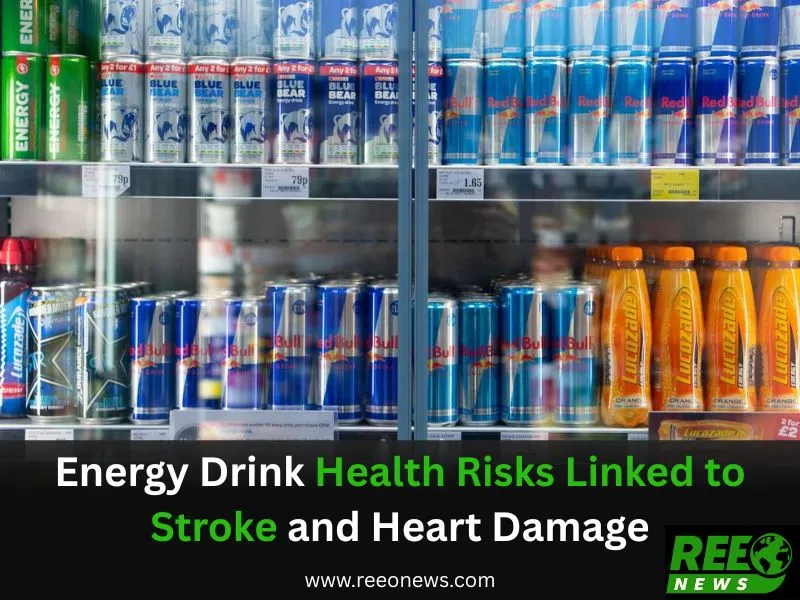
Energy Drink Health Risks
Energy Drink Health Risks are becoming a growing concern as doctors warn that excessive consumption may increase the risk of severe hypertension, heart disease, and stroke. Recent medical case reports have revealed alarming evidence showing that high-caffeine, high-sugar beverages can cause long-term, and in some cases permanent, cardiovascular and neurological damage. As energy drinks continue to surge in popularity across the world, healthcare professionals are urging for stronger regulations, improved labeling, and greater public awareness.
Also Read: Pakistan’s First Public Cancer Hospital Begins at PIMS
Global Rise of Energy Drink Consumption
Over the past decade, energy drinks have become a daily habit for millions of people — from students staying up late to workers enduring long shifts. These highly marketed beverages usually contain more than 150mg of caffeine per liter, along with large amounts of glucose-based sugar, taurine, guarana, ginseng, and other stimulants. While they are often perceived as harmless, the reality is far more dangerous.
Doctors say these drinks are increasingly linked to heart complications, dangerously high blood pressure, and in severe cases, strokes affecting young and otherwise healthy individuals.
A Healthy Man Suffers a Stroke After Consuming Eight Energy Drinks Daily
One of the most shocking examples highlighting Energy Drink Health Risks involves a fit and active man in his 50s from Nottingham, England. The man, who did not smoke, drink alcohol, or have any known medical conditions, suddenly experienced severe symptoms including numbness, weakness on his left side, and trouble maintaining balance.
Doctors discovered his blood pressure was extraordinarily high — 254/150mmHg, a level classified as a hypertensive emergency. Scans later confirmed he had suffered a stroke in the thalamus, a deeper part of the brain responsible for movement and coordination.
During questioning, he revealed he consumed an average of eight energy drinks per day, totaling about 1,200mg of caffeine daily. The recommended maximum caffeine intake for adults is only 400mg. After he stopped the drinks entirely, his blood pressure returned to normal — but the damage was done. Even eight years later, he still experiences numbness in his hands, feet, and toes.
This case showed how excessive caffeine paired with stimulant-heavy formulas can severely raise blood pressure, triggering strokes even in individuals who otherwise appear healthy.
Another Case: A Fit Worker Experiences a Hypertensive Crisis
In a similar case reported in BMJ Case Reports, a 54-year-old warehouse worker arrived at an emergency room with sudden numbness, weakness, and ataxia (loss of coordination). Although he was generally fit, his blood pressure had soared to 254/150mmHg, mirroring the earlier case.
Also Read: Early Bird Flu Surge in Europe and North America Sparks Fresh Concerns
Doctors were initially baffled as his blood pressure continued to rise despite heavy medication. After weeks of investigation, the patient admitted to drinking eight highly potent energy drinks daily — two cans at four different times during the day. Each can contained around 160mg of caffeine, adding up to more than 1,300mg of caffeine per day.
Once he discontinued energy drinks, his blood pressure normalized within weeks. However, like the previous patient, he continues to suffer permanent nerve damage years after the incident.
Why Energy Drinks Are Linked to Stroke and Heart Disease
Medical experts warn that energy drinks pose multiple cardiovascular dangers due to their combination of ingredients. The following factors contribute significantly to Energy Drink Health Risks:
1. Extremely High Caffeine Levels
Many energy drinks contain 160–500mg of caffeine per can, far higher than coffee or tea. Excessive caffeine can cause:
-
Extreme spikes in blood pressure
-
Heart palpitations
-
Arrhythmias
-
Blood vessel constriction
-
Increased risk of stroke
2. Dangerous Caffeine and Taurine Combination
Studies show that energy drinks containing both caffeine and taurine raise blood pressure significantly more than caffeine alone. This combination overstimulates the cardiovascular system.
3. High Sugar Levels
Most energy drinks are loaded with sugar, which:
-
Causes inflammation in blood vessels
-
Damages arteries similarly to diabetes
-
Increases risk of heart disease
4. Additional Stimulants (Guarana, Ginseng, Theophylline)
Guarana contains twice the caffeine of coffee beans and is commonly added to increase the effects of the drink. Combined stimulants can:
-
Increase heart rate
-
Trigger arrhythmias
-
Raise stroke risk
-
Cause blood clot formation
5. Platelet Aggregation and Blood Vessel Damage
Doctors warn that energy drinks can cause blood platelets to clump together, making clot formation more likely — a major cause of strokes.
Medical Experts Call for Stricter Regulation
Despite widespread consumption, energy drinks remain poorly regulated compared to alcohol or tobacco. Doctors in the BMJ Case Reports paper argue that these beverages need much stricter rules due to their growing link to cardiovascular emergencies. They recommend:
Also Read: California Egg Recall Salmonella Warning Hits Vega Farms
-
Clearer labeling of caffeine and stimulant content
-
Age restrictions on sales
-
Limits on marketing to teenagers
-
Public health campaigns on long-term dangers
-
Mandatory warnings similar to those on cigarette packs
Tips for Consumers to Stay Safe
To minimize Energy Drink Health Risks, experts advise the following:
-
Limit caffeine intake to 400mg per day
-
Avoid consuming more than one energy drink daily
-
Never mix energy drinks with alcohol or drugs
-
Check labels for hidden stimulants like guarana
-
Seek medical help if experiencing heart palpitations or dizziness
Conclusion
The growing number of severe medical cases linked to excessive. Energy Drink Health Risks are real and potentially life-threatening. High caffeine levels, combined with sugar and multiple stimulants, can cause dangerously high blood pressure, heart damage, and strokes — even in people who appear healthy and active. With evidence mounting, experts are calling for stronger regulations and increased public awareness.