









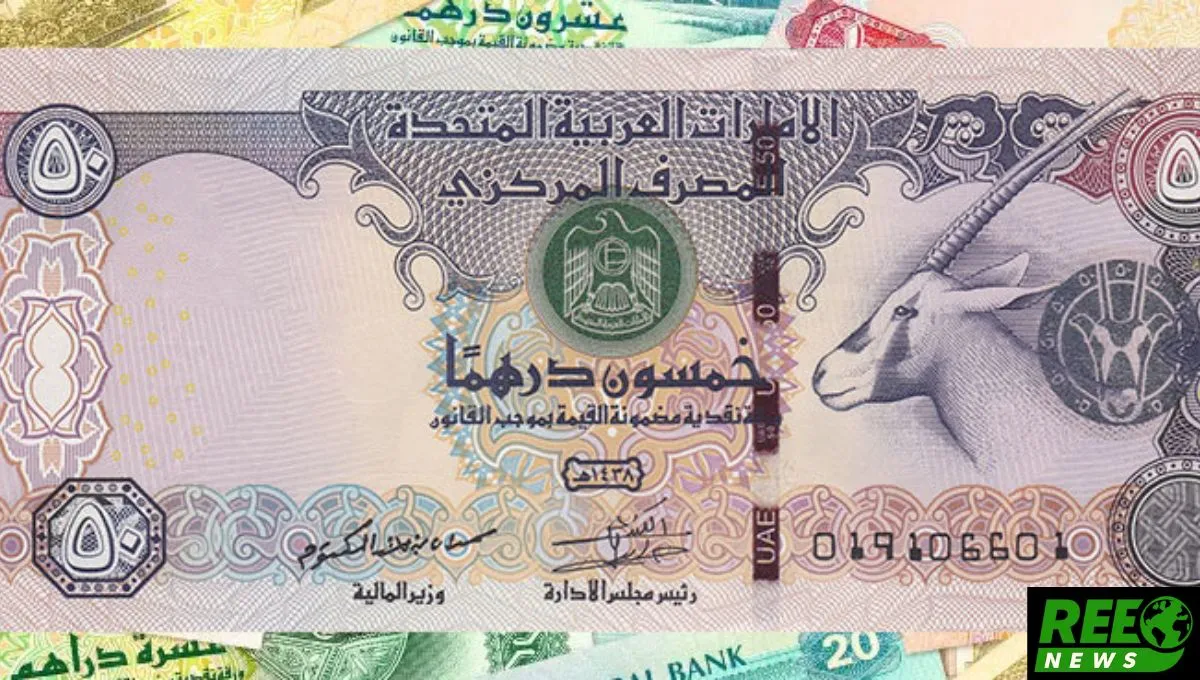
AED to PKR Drops to 76.31
Karachi/Dubai, December 17, 2025 — The UAE dirham weakened against the Pakistani rupee on Tuesday, sliding to 76.31 PKR per AED, a decline of 0.09 rupees from the previous session, according to market data compiled by currency dealers. The move marks the dirham’s sharpest single-day drop in more than a month and takes the exchange rate to its lowest level since early September.
Foreign exchange traders said the dip reflects a combination of strengthening sentiment around the rupee and seasonal adjustments in Gulf currency markets. The development is being closely watched in Pakistan, where remittances from the United Arab Emirates remain a critical source of foreign exchange and household income.
Also Read: Pakistan’s SBP Forex Reserves Rise to $14.58bn Before IMF Boost
Market participants pointed to renewed confidence in Pakistan’s external position as a key driver behind the rupee’s recent gains. Analysts cited higher-than-expected foreign inflows in recent weeks, including steady remittance volumes and official financing, alongside a more favorable credit outlook following policy commitments aimed at fiscal discipline and external account stability.
“At this stage, the rupee is benefiting from a mix of improved sentiment and reduced uncertainty,” said a Karachi-based currency analyst, noting that the gains have been gradual rather than speculative. “That makes the move more durable, even if short-term volatility persists.”
In the Gulf, traders also attributed the dirham’s weakness to end-of-year profit-taking. As 2025 draws to a close, some investors are locking in gains accumulated earlier in the year, particularly after the dirham traded near multi-month highs during the summer. Mild weakness in the US dollar — to which the dirham is pegged — following dovish signals from major central banks has added to the downward pressure.
Despite Tuesday’s decline, the dirham remains stronger on a year-to-date basis. From an average level of around 75.44 PKR in January, the currency is still up by roughly 1.1 percent in 2025. However, the trajectory over the past two months has been decisively downward, retreating from a mid-year high above 77.6 PKR to current levels.
For overseas Pakistanis working in the Emirates, even modest shifts in the exchange rate can have a tangible impact. With monthly remittances from the UAE estimated between $700 million and $750 million, small daily changes translate into significant aggregate sums. At Tuesday’s rate, a worker earning 4,000 AED converts their salary into approximately 305,240 rupees, compared with 305,600 rupees a day earlier — a difference of about 360 rupees per pay cycle.
While the amount may appear marginal on an individual level, families relying on remittance income say the cumulative effect matters, particularly as households face persistent inflation in food, utilities, and education costs. “Every few hundred rupees can make a difference at the end of the month,” said a Lahore-based remittance recipient contacted by phone.
Also Read: Major Rs. 13 Billion Road Projects Make Significant Progress in Rawalpindi
Historical data for 2025 shows the AED–PKR pair experiencing relatively narrow but persistent fluctuations. The year’s lowest level was recorded in mid-January near 75.8 PKR, while a brief spike in March pushed the rate close to 79.9 PKR, an outlier that analysts attribute to temporary market distortions. Since then, the exchange rate has largely oscillated within a band of 76 to 77.5 PKR, reflecting managed stability on both sides.
In December, the trend has leaned mildly bearish for the dirham. The currency has traded between 76.29 and 76.96 PKR so far this month, with recent sessions showing incremental declines rather than abrupt swings. Dealers say this pattern suggests consolidation rather than a disorderly adjustment.
Looking ahead to early 2026, most analysts expect the AED–PKR rate to remain range-bound. Forecasts broadly place the pair between 76.00 and 76.80 PKR in the first quarter, barring external shocks. A continuation of rupee momentum could test the lower end of that range, while a sharp rebound in global oil prices — which tends to support Gulf currencies — could lift the dirham back toward 77 PKR or higher.
For now, economists say the focus will remain on Pakistan’s external inflows and policy signals, as well as broader global currency trends. Any sustained shift in these factors could determine whether the current easing in the AED–PKR rate proves temporary or sets the tone for the months ahead.