







Saudi Arabia’s Photography Ban for Hajj 2026
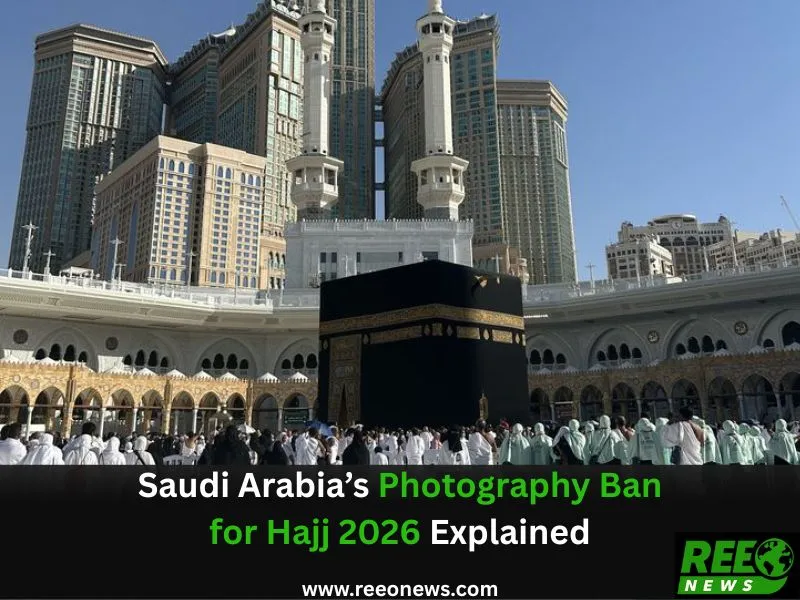
Saudi Arabia has officially announced a complete photography ban for Hajj 2026, prohibiting all forms of photo and video recording inside Masjid al-Haram in Makkah and Masjid an-Nabawi in Madinah. The decision has significant implications for millions of pilgrims preparing for the 1447H Hajj season. According to Saudi authorities, the move is designed to protect privacy, maintain the sanctity of the holy sites, and ensure safe crowd management during one of the world’s largest annual gatherings.
Also read: Qatar Calls for Dialogue With Non-State Actors for Peace
This photography ban for Hajj 2026 extends to all devices, including mobile phones, DSLRs, GoPros, and digital cameras. Whether indoors or outdoors, no worshipper is allowed to capture images or record videos in the two holiest mosques in Islam.
Why the Photography Ban for Hajj 2026 Was Introduced
Saudi officials state that the ban is the result of years of rising concerns tied to inappropriate behaviour inside the holy mosques. Various government bodies — including the Ministry of Hajj and Umrah, the General Presidency for the Affairs of the Two Holy Mosques, and the Ministry of Interior — jointly reviewed the impact of constant filming and photo-taking during peak worship times.
1. Preserving the Sacred and Spiritual Atmosphere
With millions gathered for worship, the mosques require full concentration and spiritual focus. However, the increasing trend of selfies, group photographs, and social media content has disrupted the peaceful environment. This photography ban for Hajj 2026 is intended to restore tranquility.
2. Protecting Pilgrims’ Privacy
Unauthorized filming frequently captures individuals without consent, leading to privacy violations and personal discomfort. Many pilgrims have complained that mobile cameras make it difficult to worship freely.
3. Preventing Congestion and Ensuring Safety
One of the biggest challenges during Hajj is crowd flow. When pilgrims stop to take photos, especially near the Kaaba, the Rawdah, entry gates, and pathways, dangerous bottlenecks form. Officials say the new rule will help prevent accidents, delays, and crowd pressures.
4. Addressing Issues Highlighted Since 2017
Saudi Arabia’s restrictions on photography are not new.
2017: First formal ban on photography inside the holy mosques.
2024: Ministry of Hajj reminded pilgrims to avoid taking selfies.
2025: Ban extended to Mina, Arafat, and Muzdalifah; political slogans also prohibited.
The photography ban for Hajj 2026 is the first time authorities have imposed a full, enforceable version of the rule during the Hajj season.
Also Read:NADRA Pak-ID App Launches New Passport Biometric System
What Is Prohibited Under the Photography Ban for Hajj 2026?
The new rules ban all forms of photography and videography within Masjid al-Haram and Masjid an-Nabawi. This includes:
Mobile phone photography
Video recording
Selfies and group photos
Vlogging and reels
Livestreaming on Instagram, TikTok, YouTube
DSLR, mirrorless, GoPro, and digital cameras
Holding phones above crowds
Influencer or commercial content creation
No exception is made for journalists, influencers, or group leaders unless granted special Saudi media clearance.
How the Ban Will Be Enforced
Saudi security personnel deployed inside both mosques will strictly enforce the policy. Key enforcement measures include:
Immediate confiscation of devices found recording
Warnings issued to violators
Legal penalties, fines, or removal from holy sites
Possible deportation for repeated offenses
In June 2025, Saudi media reported that the Ministry of Interior had already extended similar rules to Hajj sites like Mina, Arafat, and Muzdalifah, ensuring uniform order across all Hajj locations.
When millions gather in tight spaces, even small disruptions — like stopping for a selfie — can create safety risks. Officials say the photography ban for Hajj 2026 is essential for smooth operations.
Impact on Pilgrims: What You Need to Know
While many pilgrims feel saddened that they cannot record personal memories inside the holy mosques, others have welcomed the change, saying it will create a more peaceful and respectful environment.
1. No More Vlogging or Reels Inside Holy Areas
Popular Umrah and Hajj vloggers will now be restricted from recording inside the mosques. Social media influencers who previously filmed rituals to guide viewers must now rely on permitted educational content filmed outside.
2. Pilgrims Must Keep Phones Away During Rituals
During Tawaf around the Kaaba, Sa’i between Safa and Marwah, or Salah, pilgrims must not attempt any photography. The new rule aims to reduce distractions and improve spiritual discipline.
3. More Focus on Worship
Authorities have emphasized that the Hajj experience should be about faith, patience, and reflection — not social media aesthetics.
Also Read: Thai Airstrikes on Cambodia Put Trump Peace Deal at Risk
Advisory for Pakistani Pilgrims for Hajj 2026
Travel agencies in Pakistan, such as KSA Travels and other licensed operators, have urged pilgrims to strictly follow the photography ban for Hajj 2026.
Pakistani pilgrims are advised to:
Avoid using mobile phones for photos inside both mosques
Not take selfies or group photos near the Kaaba or Rawdah
Follow instructions given by mosque security officials
Take photos only in approved external areas, such as hotel lobbies or public squares
Respect local laws to avoid fines or deportation
The Pakistani Hajj Mission will also issue awareness campaigns to ensure compliance.
FAQs
1. Why did Saudi Arabia introduce the photography ban for Hajj 2026?
The ban was introduced to protect privacy, prevent crowding, and maintain a peaceful spiritual environment.
2. Is photography completely banned during Hajj 2026?
Yes. All photo and video recording inside Masjid al-Haram and Masjid an-Nabawi is prohibited.
3. Does the ban apply outdoors?
Yes. The ban covers both indoor and outdoor areas belonging to the two holy mosques.
4. What happens if someone breaks the rule?
Violators may face confiscation of devices, fines, removal from the holy sites, or deportation.
Conclusion
The photography ban for Hajj 2026 marks a significant step by Saudi Arabia to safeguard the sanctity of Islam’s holiest places. As millions prepare for Hajj, the ban ensures that worship remains undisrupted, private, and spiritually fulfilling. Pilgrims are encouraged to respect the new regulations, remain focused on their religious journey, and prioritize safety and discipline over social media documentation.