






LESCO Overbilling Crisis
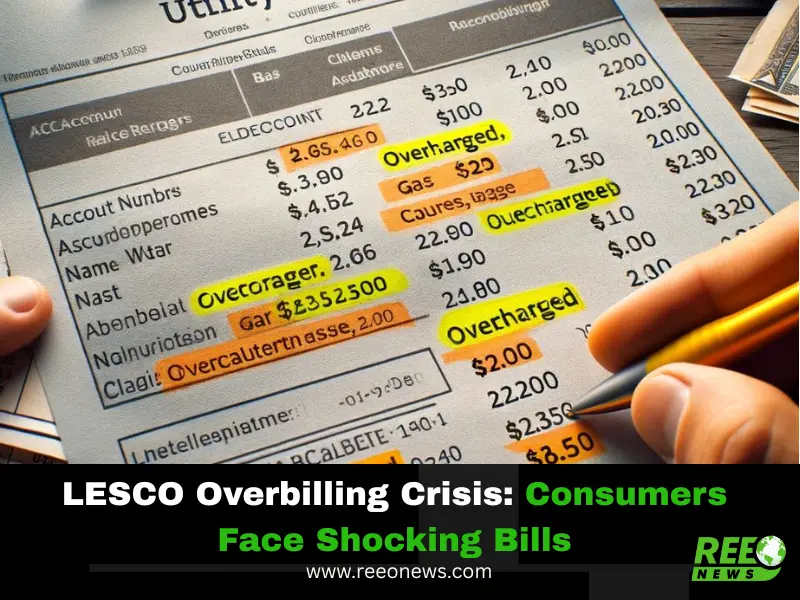
The LESCO overbilling crisis has once again come under the spotlight as thousands of consumers across Lahore and surrounding regions report receiving highly inflated electricity bills. At a time when electricity tariffs are already at an all-time high, the sudden surge in billing amounts has left households distressed and frustrated. Multiple reports suggest that the Lahore Electric Supply Company (LESCO) is issuing higher-than-expected bills as part of an internal attempt to reduce reported line losses and achieve financial targets set for the current fiscal year.
The situation has escalated into a widespread public concern, with cases emerging from both urban and rural divisions, highlighting alleged manipulation in meter readings, intentional overcharging, and pressure from top management on field officers. The crisis has led to government scrutiny, consumer protests, officer dismissals, and urgent internal meetings at LESCO headquarters.
LESCO’s Push to Meet Line Loss Targets
According to sources cited by private news outlets, LESCO is aiming to reduce line losses from 12.9% last year to 11.9% this year. To meet this goal, the company has reportedly instructed field officers to adhere to last year’s line-loss benchmarks and cover the shortfall through increased billing.
Insiders reveal that LESCO needs to overbill at least 150 million units, resulting in additional revenue of approximately Rs. 9 billion for July alone. Despite strict directives from Federal Interior Minister Mohsin Naqvi to curb overbilling and take action against responsible officers, documents indicate that line losses actually increased to 17.9% in June—the highest jump in recent years.
Officials claim that achieving a 6% reduction in line losses is nearly impossible without inflating consumer bills, especially in areas with high power theft. This has allegedly created intense pressure on Superintending Engineers, XENs, and SDOs, who are being pushed to manipulate readings or issue detection bills to avoid departmental penalties.
Also Read: NADRA Pak-ID App Launches New Passport Biometric System
Consumers Shocked by Unjustifiably Inflated Bills
The LESCO overbilling crisis has had a direct and painful impact on consumers. Reports from Lahore, Kasur, and Sheikhupura highlight extreme billing irregularities.
One resident of Township shared that his bill for January last year was around Rs. 6,000 when the entire family resided in the home. This year, despite only one person living in the house, the bill shot up to over Rs. 30,000. Other residents on the same street received bills between Rs. 8,000 and Rs. 12,000, raising questions about inconsistency and targeted billing.
In a far more alarming incident, a consumer from Bahadurpura (Kasur Rural Division) recounted receiving:
June bill: Rs. 5,286
July bill: Rs. 295,640
August bill: Rs. 629,256
September bill: Rs. 710,806
Later increased to Rs. 737,179
Shockingly, the house had been vacant for months with no family members living there. When he approached the local office for correction, the field staff allegedly removed the meter and disconnected the supply instead of helping resolve the issue.
Such cases have become increasingly common, as consumers across different circles complain of being billed for units they never consumed. Many claim that complaint centers either ignore their concerns or blame technical issues, leaving consumers without a resolution.
Rising Complaints Despite Crackdowns and Dismissals
Even though the federal government requested strict oversight to prevent manipulation, LESCO continues to face mounting complaints. Over the past several months, several SDOs and field officers have been removed from service for involvement in overbilling, corruption, illegal connections, and facilitating power theft.
Notable dismissals include:
Usman Ghani (Kot Khwaja Saeed SDO): Removed for filing illegal FIRs, issuing detection bills for personal gain, and enabling power theft.
Habibur Rehman (Safdarabad SDO): Fired for involvement in electricity theft facilitation.
Ehsanullah Farooqi (Bilal Ganj SDO): Removed for installing illegal electricity connections.
Tanveer Khan (Allama Iqbal Town SDO) and Sirajuddin Kakar (Mehmood Booti SDO): Fired after bribery charges were proven.
Amir Aziz (Kahna SDO): Removed for billing fraud and installing connections in unelectrified areas.
Imdad Ali Naich (Kasur Rural Division XEN): Removed over poor performance and rise in defaulters.
Despite these actions, the volume of consumer complaints continues to increase, suggesting that systematic reforms, not isolated punishments, are needed to address the issue.
LESCO Management Holds Urgent Meeting
Amid the spiraling LESCO overbilling crisis, LESCO CEO Engineer Shahid Haider convened a high-level emergency meeting to evaluate the situation. According to LESCO’s spokesperson, the CEO instructed management to:
Implement strict measures to prevent overbilling
Initiate departmental action against negligent employees
Improve HR processes to ensure timely promotions
Strengthen accountability across all divisions
In parallel, LESCO reports that in collaboration with tehsildars, the company has recovered over Rs. 2.30 billion from 78,261 chronic defaulters, indicating an aggressive push for increased revenue.
However, consumer rights advocates believe that such recoveries should not come at the cost of overcharging innocent consumers.
Also Read: LHC Issues Stern Crackdown as Smoke-Emitting Vehicles Choke Lahore
Public Outrage and Growing Distrust
As the LESCO overbilling crisis worsens, public frustration is rising. Social media platforms are flooded with complaints, videos of incorrect meter readings, and appeals for government intervention. Many households claim they cannot afford the inflated bills amid ongoing inflation and economic hardship.
Observers warn that trust in LESCO may further erode if transparency, customer support, and error correction mechanisms are not improved immediately. Genuine consumers fear they will continue to pay the price for systemic inefficiencies, theft, and mismanagement.
Conclusion
The LESCO overbilling crisis reflects deep-rooted structural problems within Pakistan’s power distribution system. From inflated bills and corrupt practices to pressure-driven targets and widespread consumer complaints, the situation demands urgent national-level reforms. While LESCO’s efforts to reduce line losses and recover dues are important, they must not come at the cost of unfair billing practices that burden honest consumers.
Sustainable improvement will require strict oversight, digitalized meter systems, transparent billing, and a reliable complaint resolution mechanism. Until then, consumers may continue to bear the brunt of mismanagement and inconsistent billing standards.