




Saudi Arabia Eases Alcohol Rules
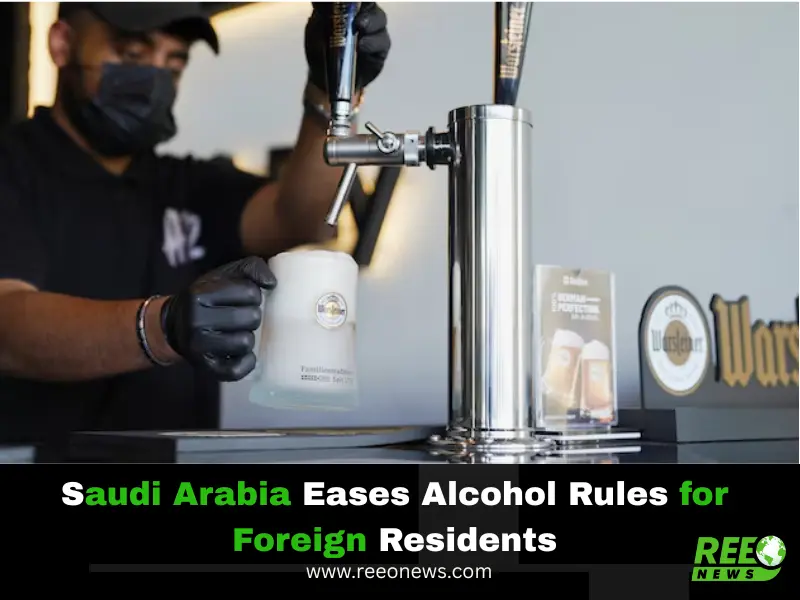
Saudi Arabia is undergoing another notable shift in its social and regulatory landscape, as foreign residents report a further relaxation of the country’s long-standing restrictions on alcohol. According to multiple expatriates living in Riyadh, Saudi Arabia alcohol rules have been quietly softened, expanding legal access to alcoholic beverages beyond diplomats and premium residency holders. The latest changes reflect the kingdom’s broader efforts to modernize its image, diversify its economy, and appeal to global talent and investors under Vision 2030.
For decades, alcohol has been strictly banned in the conservative kingdom, with only foreign embassies permitted to import and consume it within diplomatic compounds. Ordinary residents and visitors had no legal avenue to purchase alcohol, leaving many to depend on homemade brews or the black market—both risky and expensive. A single bottle of whisky could cost several hundred dollars through illegal channels due to scarcity and demand.
However, that long-standing reality is rapidly evolving.
A Major Shift: Non-Muslim Expats Allowed to Buy Alcohol
Foreign residents told AFP that a new policy now allows non-Muslim, non-diplomat expatriates earning at least 50,000 Saudi riyals per month (approximately $13,300) to legally purchase alcohol from the country’s only liquor store, located in Riyadh’s diplomatic quarter. This represents a major widening of access just days after premium visa–holders were first allowed to shop there.
According to six individuals familiar with the situation, the process for buying alcohol is straightforward but strictly monitored. Customers present their residency documents to store staff, who then verify their monthly income using a national digital platform. Once the income threshold and identity are confirmed, the resident is granted access to the store and permitted to buy alcoholic beverages.
Also Read: Commercial Market Rawalpindi to Turn Into Pedestrian Street After Dec 30 Deadline
This new group of eligible buyers marks a significant expansion of Saudi Arabia’s controlled alcohol distribution, demonstrating how the kingdom is gradually reshaping its regulations in line with its economic transformation goals.
From Premium Residency to Broader Access: Saudi Arabia Eases Alcohol Rules
The first step in loosening Saudi Arabia alcohol rules came when premium residency holders were granted access in late November. Premium residency—introduced in 2019—is a special status allowing foreigners to live and work in Saudi Arabia without a sponsor. It comes with a hefty financial requirement: a one-time payment of 800,000 riyals, alongside other eligibility criteria such as clean security records and stable income.
Initially, this select group became the first category beyond foreign diplomats allowed to purchase alcohol legally inside Saudi Arabia. But within days, the rules were expanded again, allowing any non-Muslim foreign resident earning 50,000 riyals or more per month to buy alcohol.
The change was not formally announced by the government but implemented quietly, which is typical for sensitive policy adjustments in the kingdom. Still, word spread quickly among expatriate communities—mostly through WhatsApp groups and social media channels.
One expatriate interviewed by AFP said, “We were surprised and didn’t believe it at the beginning. But after checking, we entered the store and succeeded in buying alcohol.”
Riyadh’s Only Alcohol Store: Controlled Access and Strict Regulations
The country’s single alcohol retail outlet remains tightly regulated. It operates under a controlled access system designed to prevent misuse and ensure compliance with religious and social norms.
Key restrictions include:
Only non-Muslim residents may enter and purchase.
Income verification is mandatory for non-premium residents.
Purchase limits are reportedly in place to prevent stockpiling or resale.
No on-site consumption is allowed.
Muslims are strictly prohibited from entering the store.
The store itself is located deep inside the diplomatic quarter, a heavily controlled zone with restricted entry, security checkpoints, and surveillance. For decades, this area has housed embassies, foreign missions, and international organizations—making it the logical location for the kingdom’s first legal alcohol outlet.
Also Read: Meezan Bank Crowned “Best Bank of Pakistan” for the Fifth Time
The Underground Alcohol Culture of Riyadh
Before these new changes, many foreign residents relied on alternative sources to obtain alcohol. Homemade wine—often produced using grape juice, sugar, and yeast—became common among certain expat groups. Others resorted to the black market, where imported alcohol was sold at heavily inflated prices and came with risks of legal punishment.
The black market has long thrived due to demand, despite the strict penalties for possession, production, or consumption of alcohol. Some residents speculate that easing legal access may eventually disrupt illegal trade and reduce health risks associated with unregulated homemade brews.
While it remains too early to measure the impact, many expatriates believe the new policy will sharply reduce black-market activity.
Also Read: Australian Border Force Passport System Outage Sparks Nationwide Travel Disruption
A Reflection of Broader Social and Economic Reforms
The shift in Saudi Arabia alcohol rules is part of Crown Prince Mohammed bin Salman’s broader reform agenda under Vision 2030. Over the past several years, the kingdom has implemented a series of social and economic reforms aimed at modernizing the country’s global image, attracting foreign investment, and expanding tourism.
Key changes include:
Opening the country to international tourism in 2019
Allowing cinemas after a 35-year ban
Hosting concerts, festivals, and sporting events
Expanding women’s rights, including driving and employment
Loosening guardianship laws
Introducing mixed-gender public events and entertainment venues
The controlled legalization of alcohol for certain foreign residents appears to be another step in aligning the kingdom with global norms, particularly to appeal to multinational corporations and highly skilled workers considering long-term relocation.
As Saudi Arabia pursues mega-projects such as NEOM, Qiddiya, The Red Sea Project, and global tech investments, creating an attractive living environment for expatriates has become crucial.
What Comes Next?
While these changes are significant, they do not signal a complete liberalization of alcohol laws in Saudi Arabia. There is no indication that alcohol will become widely available to the general public or permitted for Muslims, and the country’s strict religious foundations remain firmly intact.
However, the quiet expansion of legal access suggests that more measured reforms may follow as the country adapts to its new economic and social realities.
For now, many foreign residents view the new policy as a major milestone—a practical and symbolic shift reflecting Saudi Arabia’s evolving identity.