








CSS Age Limit
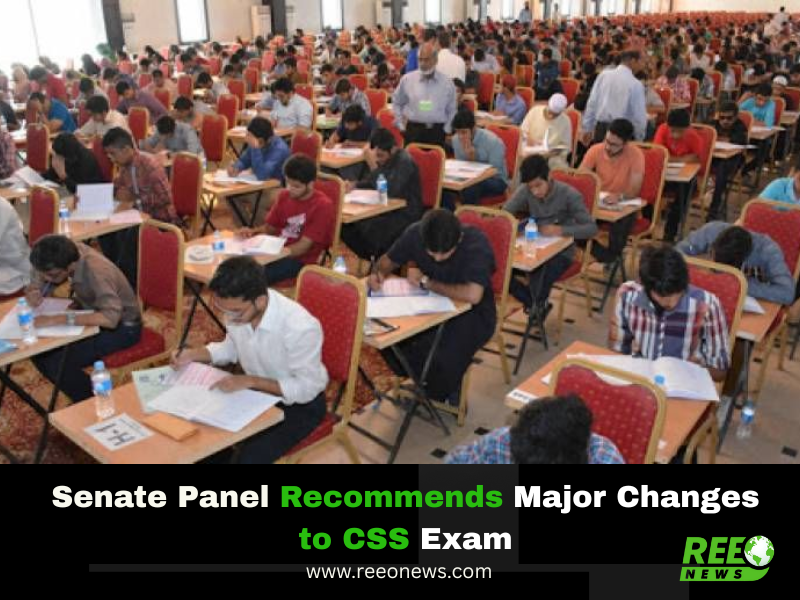
A Senate sub-committee has put forward sweeping recommendations to reform Pakistan’s Central Superior Services (CSS) examination system, calling for two attempts each year and a significant increase in the upper CSS age limit to 35. The proposals aim to ease long-standing challenges faced by thousands of aspirants preparing for one of the country’s most competitive and demanding exams.
The meeting of the Sub-Committee of the Senate Standing Committee on the Cabinet Secretariat, chaired by Senator Saleem Mandviwala, brought together key representatives from the Establishment Division and the Federal Public Service Commission (FPSC). The session focused on identifying structural barriers within the current CSS framework and recommending reforms to make the system more efficient, flexible, and accessible.
Current Challenges in CSS Examination System
Pakistan’s CSS exam holds immense importance, serving as a gateway to the civil bureaucracy. However, the current system—characterized by a single annual attempt and a restricted age limit—has come under criticism for being outdated and unnecessarily rigid.
Committee members highlighted that restricting candidates to just one attempt per year forces many to stretch their preparation over several years. The long cycle between exam attempts causes students to lose precious time, especially when results are delayed or when candidates narrowly miss qualifying marks.
Moreover, the existing CSS age limit has become a major barrier for many aspirants who face academic interruptions, job commitments, or financial hurdles that delay their preparation. By the time some candidates reach a position to attempt the exam, they find themselves nearing the upper age threshold and consequently become ineligible.
The Senate body argued that these structural limitations undermine equal opportunity and discourage capable individuals from pursuing a career in the country’s civil services.
Proposal to Hold Two CSS Exams Per Year
The most prominent recommendation from the Senate panel is to allow candidates two opportunities per year to sit the CSS exam. Members emphasized that this dual-attempt format would:
Reduce the number of lost years between attempts
Help candidates stay within the CSS age limit
Allow aspirants to recover quickly from unsuccessful attempts
Provide faster entry into the civil service system
Encourage a more dynamic, flexible exam cycle
The committee compared Pakistan’s system with other countries where multiple annual attempts or supplementary exams are common, ensuring smoother academic progression and less pressure on students.
According to the panel, offering two attempts per year would significantly improve fairness and give candidates a better chance at success, especially those from rural backgrounds or disadvantaged households, who often face more obstacles during preparation.
FPSC’s Reservations About Implementation
Despite the Senate panel’s enthusiasm, FPSC officials expressed clear reservations. The Commission pointed out that conducting two full-scale annual examinations is currently not feasible under Pakistan’s traditional paper-based evaluation system.
The FPSC explained that evaluating written examinations, compiling results, conducting psychological assessments, and conducting viva voce interviews already require extensive time and manpower. Implementing dual attempts without major technological upgrades would overwhelm the existing system and potentially compromise transparency or merit.
Officials emphasized the need to first modernize the evaluation process—particularly by moving toward digitization—before increasing exam frequency. Until such reforms are implemented, the FPSC believes conducting two exams per year is impractical.
Suggestion to Increase Upper Age Limit to 35
Another major recommendation centered on increasing the general CSS age limit to 35 years. This proposal received strong support from committee members who argued that academic delays, financial responsibilities, family commitments, and employment gaps are common realities for many Pakistani youth.
The panel noted that in many countries, civil service age limits are far more flexible, recognizing life circumstances and ensuring that a broader pool of talented individuals can compete.
Raising the age limit to 35, the committee argued, would:
Allow more candidates with diverse academic and professional backgrounds to apply
Provide opportunities to individuals who enter the workforce early and study later
Support students from underdeveloped areas who face slower educational progression
Encourage maturity, experience, and stability in civil service applicants
The proposal aligns with long-standing demands from aspirants and advocacy groups who have repeatedly urged the government to review the age criteria.
Understanding the Current CSS Structure
During the session, FPSC officials gave a detailed briefing on the existing CSS examination structure. The current process includes:
1. Screening Test
200 marks
MCQ-based qualifying stage
2. Written Examination
600 marks for compulsory subjects (40% qualifying threshold)
600 marks for optional subjects (33% qualifying threshold)
Total written marks: 1,200
Candidates need an aggregate of 600 marks (50%) to qualify
3. Psychological Assessment & Medical Examination
Candidates who pass the written exam undergo psychological testing followed by medical evaluation.
4. Viva Voce
300 marks
100 marks (33%) required to pass
Final merit is calculated from a total of 1,500 marks.
Committee members argued that while the structure is comprehensive, it needs modernization to align with global competitive examination practices.
Call for Comprehensive Reforms
Beyond age limits and exam frequency, the Senate panel urged the FPSC to rethink the entire CSS process. The committee stressed the need for:
Digital evaluation systems
Faster result processing
Modern question-setting approaches
Improved screening mechanisms
A more inclusive and student-friendly system
The panel concluded that without structural modernization, Pakistan risks depriving itself of talented potential civil servants simply because of bureaucratic limitations.
Conclusion
The Senate panel’s recommendations mark a significant step toward transforming Pakistan’s CSS examination system. By proposing two exams per year and increasing the CSS age limit to 35, the committee aims to create a more inclusive, accessible, and efficient system.
While challenges remain—particularly in terms of FPSC’s capacity and technological infrastructure—the discussion has opened the door for meaningful reforms. If implemented, the proposed changes could reshape the future of civil service recruitment and provide much-needed relief to thousands of aspiring candidates across the country.