









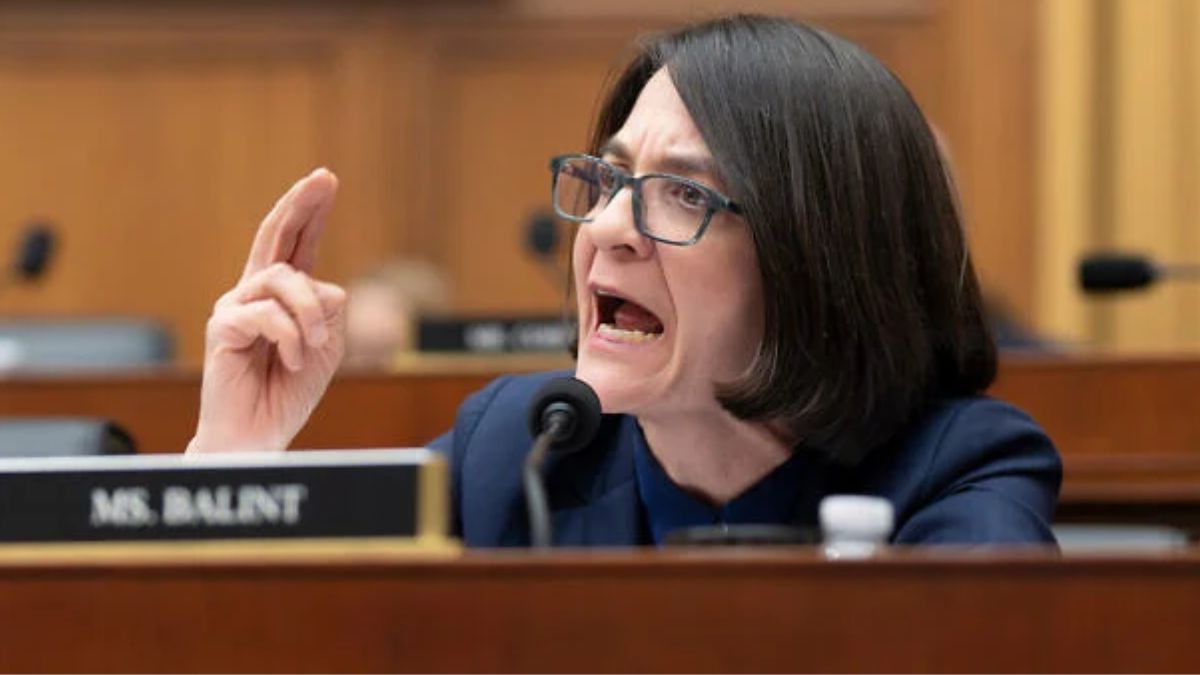
A congressional hearing examining the long-running fallout from the Jeffrey Epstein scandal turned tense as former Florida Attorney General Pam Bondi defended her record under intense questioning from lawmakers. The session, marked by sharp exchanges and political friction, revisited past decisions tied to Epstein’s legal history and broader concerns about accountability, influence, and the justice system.
Also Read: Susie Wiles Candid Interviews Expose Trump’s Second Term
Bondi, who served as Florida’s attorney general from 2011 to 2019, faced scrutiny over her office’s past actions, her public statements, and her association with political figures connected to the case. The hearing underscored how the Epstein scandal — years after his death in federal custody in 2019 — continues to cast a long shadow over U.S. legal and political institutions.
A Charged Atmosphere on Capitol Hill
The congressional session quickly grew heated as lawmakers pressed Bondi on her role and decisions during her time in office. Several members questioned whether Florida authorities, including the attorney general’s office, did enough to pursue justice for Epstein’s victims.
Bondi pushed back strongly, stating that her office had no direct prosecutorial role in Epstein’s original plea deal, which was handled by federal prosecutors years before she became attorney general. She emphasized that the Florida attorney general does not independently prosecute local criminal cases, which fall under state attorneys and federal jurisdiction.
“I followed the law and respected the limits of my office,” Bondi told lawmakers, according to congressional records. “The suggestion that I controlled the outcome of that case is simply not accurate.”
The exchange highlighted long-standing public confusion about how authority is divided between local prosecutors, state attorneys general, and federal investigators in the United States.
Revisiting the Epstein Case
Jeffrey Epstein, a wealthy financier, was first charged in Florida in 2007 with offenses involving underage girls. In 2008, he entered a controversial plea agreement with federal prosecutors that allowed him to avoid federal prison and serve a short county jail sentence, sparking widespread criticism from victims’ advocates and legal experts.
Years later, renewed federal investigations led to Epstein’s arrest in 2019 on sex trafficking charges. He died in custody in a New York federal jail, with authorities ruling his death a suicide — a conclusion that has been repeatedly questioned by the public, though confirmed by official investigations from the U.S. Department of Justice and the FBI.
During the hearing, lawmakers revisited the earlier plea agreement and broader failures in the justice system that allowed Epstein to avoid harsher punishment for years. While Bondi was not in office at the time of the original plea deal, critics argued that public officials who later held authority still had a responsibility to pursue accountability.
Questions Over Political Connections
Some lawmakers raised concerns about political relationships and influence surrounding Epstein-related matters. Bondi was questioned about past interactions involving figures connected to the case and whether any political considerations affected decisions during her tenure.
Bondi rejected those claims, stating that no political pressure influenced her office’s actions. She reiterated that prosecutorial decisions are bound by evidence and jurisdiction, not politics.
Legal analysts note that while attorneys general can influence civil enforcement and consumer protection matters, criminal prosecutions — especially federal cases — are typically outside their direct control. Experts from institutions such as the American Bar Association have long emphasized the importance of jurisdictional boundaries in evaluating responsibility in complex cases like Epstein’s.
Heated Exchanges and Partisan Divides
The hearing reflected broader political tensions, with lawmakers divided over how aggressively to question Bondi and what conclusions should be drawn from past events. At several points, exchanges became personal and confrontational, prompting interventions from the committee chair to maintain order.
Supporters of Bondi argued the questioning was politically motivated and unfairly targeted a former official who had no direct role in Epstein’s original prosecution. Critics countered that public trust requires transparency and that all officials connected to the broader timeline should be examined.
Observers noted that the intensity of the hearing demonstrated how the Epstein case continues to carry deep emotional and political weight, particularly among victims’ advocates seeking full accountability.
The Broader Issue: Accountability and Public Trust
Beyond Bondi’s personal role, the hearing focused on a larger question: how failures in the justice system allowed Epstein to evade severe punishment for years. Victims’ rights organizations have repeatedly called for institutional reform, arguing that powerful individuals should not receive preferential treatment.
Also Read: US Attack on Venezuela: Maduro Captured, Faces Trial
Reports by the U.S. Department of Justice Office of Professional Responsibility and other oversight bodies have previously examined aspects of the original federal plea agreement, acknowledging serious concerns about transparency and victim notification.
Legal experts say hearings like this are part of a broader effort to rebuild public confidence. “Accountability isn’t only about individual blame — it’s about understanding systemic weaknesses,” said a former federal prosecutor speaking to legal media following the session.
Why the Hearing Matters
The congressional questioning of Pam Bondi highlights how the Epstein scandal continues to influence public discourse around justice, power, and institutional accountability. The case has become a symbol of perceived inequality in the legal system — a concern that resonates far beyond the United States.
For victims and advocacy groups, continued scrutiny is seen as essential to ensuring similar failures are not repeated. For policymakers, the issue underscores the importance of transparency, jurisdictional clarity, and stronger protections for vulnerable individuals.
Bondi’s testimony also illustrates the enduring political impact of high-profile legal controversies. Even years after leaving office, former officials can be called upon to explain decisions tied to major public cases — particularly when those cases involve national outrage and long-term consequences.
Conclusion
Pam Bondi appearance before Congress brought renewed attention to unresolved questions surrounding the Jeffrey Epstein case and the broader functioning of the justice system. While Bondi firmly defended her record and denied any wrongdoing, the hearing reflected ongoing demands for accountability and transparency in one of the most controversial criminal cases in recent history.
The Epstein scandal continues to shape debates about power, justice, and public trust — reminding both officials and the public that legal decisions, especially in high-profile cases, can have lasting consequences long after the courtroom proceedings end.