








India and US Trade Deal Explained Simply
The long-awaited India and US trade deal has finally arrived, offering relief to businesses and markets on both sides after months of uncertainty. The agreement follows US President Donald Trump’s decision to reduce tariffs on Indian goods from 50% to 18%, easing pressure on Asia’s third-largest economy.
Also Read: US Attack on Venezuela: Maduro Captured, Faces Trial
While the announcement sparked optimism in New Delhi’s financial circles on Monday evening, many details of the deal are still unfolding.
Why the India and US Trade Deal Matters
The tariff reduction is significant because India had been facing some of the highest import duties imposed by the US. These tariffs were introduced last year after Washington objected to India’s purchase of discounted Russian oil amid the Ukraine war.
Exports from India to the US — particularly textiles, seafood, and jewellery — had fallen sharply. These sectors employ millions, especially in manufacturing hubs like Surat and Tiruppur.
What Was Announced So Far
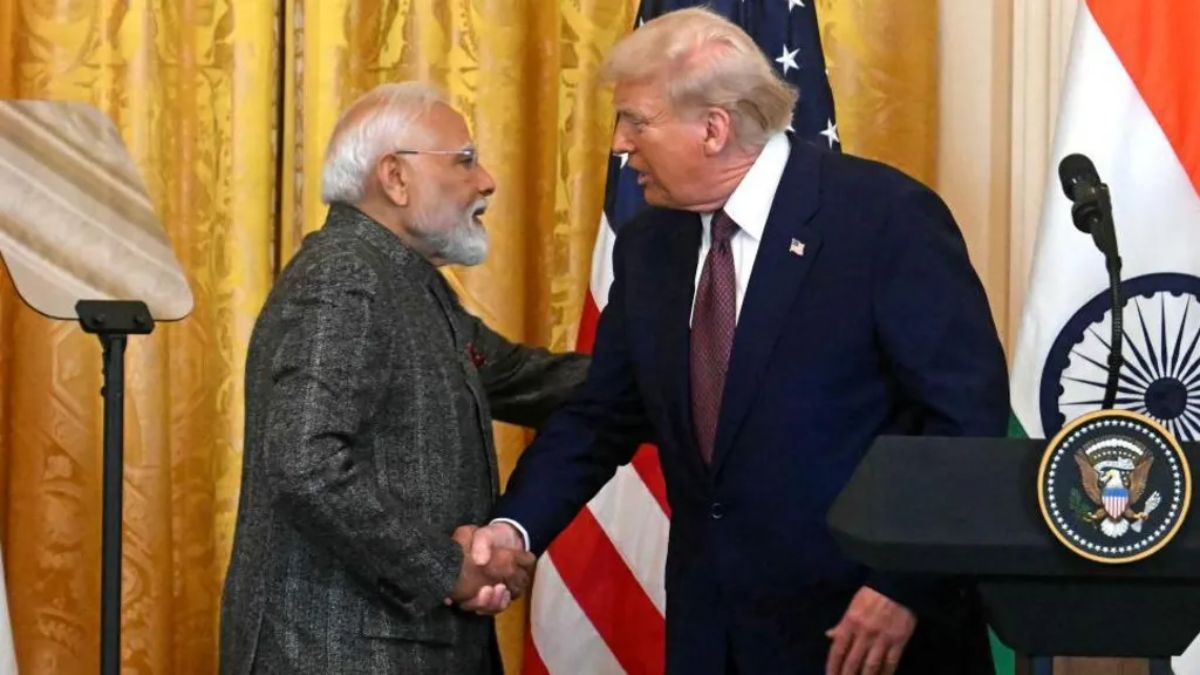
After a phone call with Prime Minister Narendra Modi, President Trump claimed India had agreed to reduce Russian oil imports and buy more energy and goods from the US.
India has not confirmed these specific commitments. However, Modi publicly thanked Trump for the announcement, calling it a step toward taking bilateral ties to “unprecedented heights.”
Markets in Mumbai reacted calmly, with the rupee holding steady in early trading on Tuesday.
How the Deal Helps Indian Businesses
By bringing tariffs down to 18%, India is now closer to other Asian exporters like Vietnam and Bangladesh, which face similar US duties.
Textiles and Manufacturing Get a Boost
Indian textile exporters welcomed the move, saying it allows them to compete more effectively in the US — their largest overseas market.
Economists note that the India and US trade deal strengthens India’s position as an alternative manufacturing hub to China, thanks to low labour costs and a large domestic market.
Why Experts Are Urging Caution
Despite the positive headlines, trade analysts warn against celebrating too early.
There is still no joint statement, no published legal text, and no clarity on which products are covered or when the changes will be enforced. Sensitive areas like agriculture remain unresolved, especially as nearly half of India’s population depends on farming.
Also Read: Indian Man Arrested Pakistan After Crossing Kasur Border
Claims that India could buy hundreds of billions of dollars’ worth of US goods have also been questioned, given current trade volumes.
A Bigger Geopolitical Signal
Beyond economics, the India and US trade deal carries geopolitical weight. Over the past year, India had moved closer to China and Russia as US tariffs strained relations.
Analysts say this agreement could signal New Delhi’s gradual shift back toward Washington — though India is likely to continue balancing its global partnerships.
What Comes Next
Both governments have described this deal as a first step, with more negotiations expected in the coming months.
For now, the agreement removes immediate pressure on India’s economy and restores momentum to a relationship that had stalled.
The India and US trade deal is a positive start — but its real impact will depend on what comes next.