



Foreign Interest Surges in Pakistan’s Defence Sector
Islamabad, Pakistan – Pakistan’s defence industry is witnessing an unprecedented surge in global attention following last year’s aerial conflict with India. The country’s fighter jets, including advanced Pakistan fighter jets, drones, and missiles, labelled “combat-tested” after successful operations, have sparked interest from several nations seeking cost-effective military solutions.
Also Read: New PIA Owners Expect Losses Despite $400M Investment
According to Reuters, Pakistan has held defence talks with 13 countries, including Bangladesh, Saudi Arabia, Sudan, Indonesia, Morocco, Ethiopia, Nigeria, and Libya’s eastern administration. Officials indicate that six to eight negotiations are in an advanced stage, covering fighter jets, training aircraft, drones, air defence systems, and armoured vehicles.
Bangladesh Emerges as Key Potential Buyer
Among all potential clients, Bangladesh appears to be the most promising. Discussions between Islamabad and Dhaka reportedly include a comprehensive defence package:
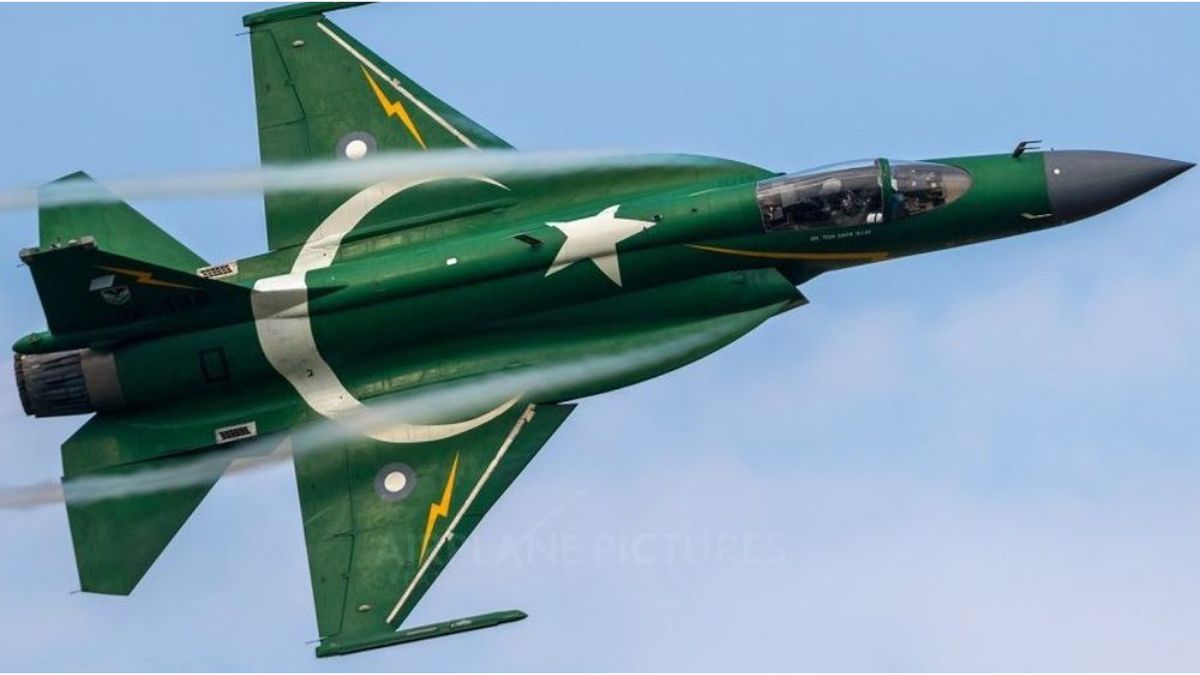
JF-17 Block III multirole fighters
MFI-17 Mushshak training aircraft
Shahpar reconnaissance and attack drones
Air defence systems
Mine-resistant armoured vehicles
Experts suggest that the scope of these deals highlights Bangladesh’s interest in strengthening its air capabilities while diversifying its defence suppliers.
Pakistan Fighter Jets: A New Era in Defence Collaboration
One major factor behind the growing interest in Pakistani military equipment is pricing. The JF-17 fighter jet is priced at $30–40 million, significantly cheaper than comparable Western aircraft, which can cost more than three times as much.
Analysts note that Pakistan’s offer of integrated support—including pilot training, maintenance, and joint exercises—enhances its appeal to countries in the Middle East and Africa, where defence budgets are often limited, and rapid operational readiness is crucial.
Production Challenges and Expansion Plans
Currently, Pakistan produces around 20 JF-17 aircraft per year, but upgrades and factory expansions could double output by 2027. In addition, private companies in Islamabad and Rawalpindi are increasingly involved in drone manufacturing, including reconnaissance and loitering munitions.
Chinese support remains vital, not only in co-producing the JF-17 but also in ensuring technology transfer and helping Pakistan overcome production hurdles. Defence experts believe this partnership strengthens Pakistan’s position as a mid-tier global arms supplier.
Geopolitical Constraints on Defence Deals
Despite high interest, geopolitical factors could limit potential contracts. UN arms embargoes on countries like Sudan and Libya may restrict direct sales. Furthermore, Pakistan must carefully navigate its Middle Eastern alliances, particularly balancing relationships between Saudi Arabia and the UAE.
Also Read: CDA Raises Rs. 13.52 Billion on First Day of Plot Auction
Coordination with China, the co-producer of JF-17 jets, is also essential, as Beijing could block sales to certain clients to maintain regional stability and protect its strategic interests.
Expert Opinions and Public Reaction
Military analysts in Islamabad highlight that Pakistan’s rise as a “combat-tested, cost-effective” supplier reflects broader trends in global arms markets. With Western supply chains increasingly disrupted, mid-tier producers like Pakistan are gaining prominence.
Local defence industry officials told that the surge in interest could boost employment in aerospace and manufacturing sectors while reinforcing Pakistan’s strategic partnerships across Africa and the Middle East.
Citizens and aviation enthusiasts in Islamabad have expressed pride in the country’s military achievements, noting that successful operations against India have “put Pakistan on the global defence map.”
Conclusion
Pakistan fighter jets and military equipment are drawing unprecedented international attention, fueled by operational success, competitive pricing, and strategic partnerships. While geopolitical and production challenges remain, Islamabad is poised to strengthen its position as a key defence supplier in the Middle East, Africa, and South Asia.