








The federal government on Wednesday announced a significant reduction in petroleum prices, slashing the rates of petrol and high-speed diesel (HSD) for the next fortnight in a move aimed at providing relief to consumers amid persistent inflationary pressures.
According to a late-night notification issued by the Petroleum Division, the price of petrol has been reduced by Rs10.28 per litre, while the price of high-speed diesel has been cut by Rs8.57 per litre. The revised prices came into effect from midnight and will remain applicable until January 15, 2026.
Also Read: New PIA Owners Expect Losses Despite $400M Investment
Following the latest adjustment, the ex-depot price of petrol now stands at Rs253.17 per litre, down from the previous rate of Rs263.45 per litre. Meanwhile, the ex-depot price of high-speed diesel has been lowered to Rs257.08 per litre from Rs265.65 per litre.
Decision Based on Global Oil Trends
The Petroleum Division stated that the revision in fuel prices was made in line with fluctuations in international oil markets and recommendations from the Oil and Gas Regulatory Authority (OGRA). Pakistan revises petroleum prices on a fortnightly basis to reflect changes in global crude oil prices and exchange rate movements while balancing fiscal requirements.
The latest reduction comes as global oil prices showed relative stability, allowing the government some room to pass on relief to domestic consumers.
Relief for Households and Daily Commuters
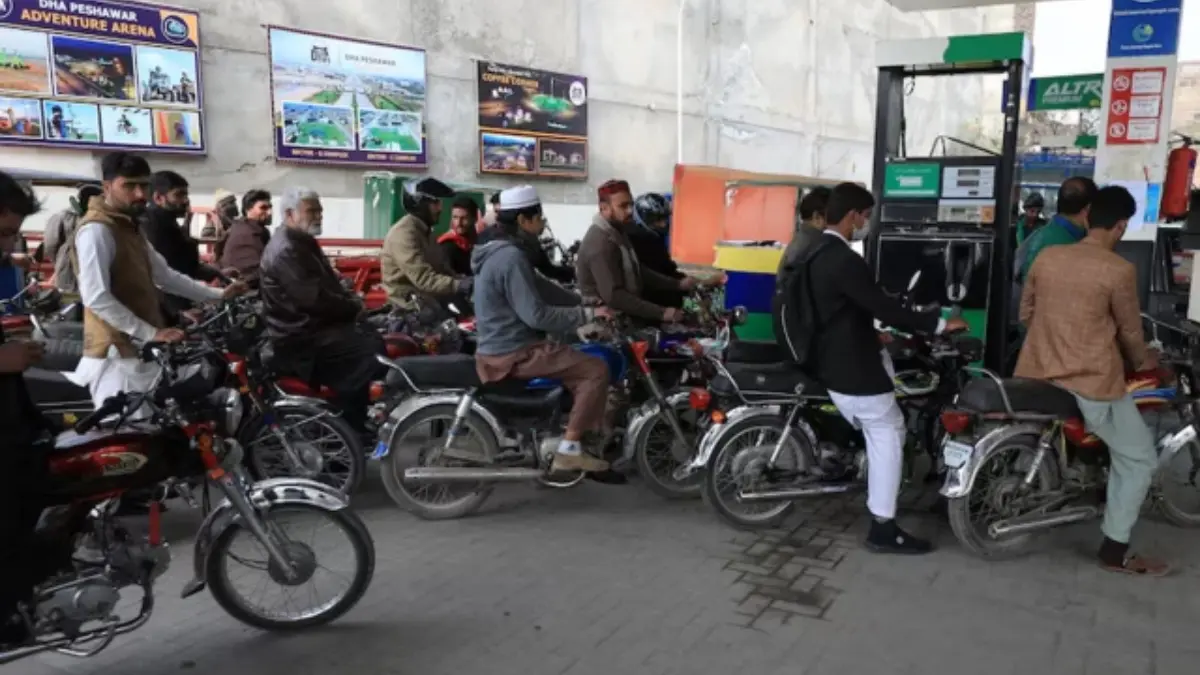
Petrol is primarily used in private transportation, including cars, motorcycles, rickshaws, and other small vehicles. As a result, changes in petrol prices have a direct impact on household budgets, particularly for the middle and lower-middle income groups.
The reduction is expected to ease daily commuting costs for millions of citizens, especially in urban areas where private transport and two-wheelers are widely used.
Impact of Diesel Prices on Inflation
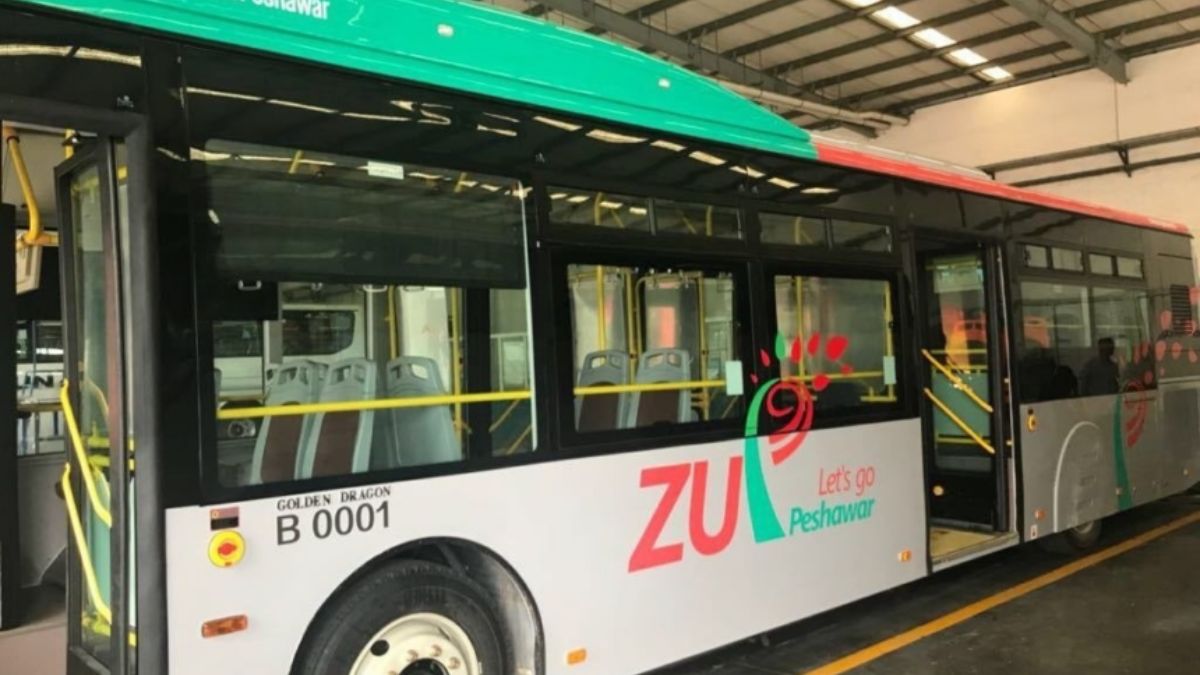
High-speed diesel plays a crucial role in Pakistan’s economy and is widely considered an inflation-sensitive fuel. The transport sector relies heavily on diesel, including trucks, buses, and trains. In addition, diesel is extensively used in agriculture through tractors, tube-wells, threshers, and other machinery.
Any increase in diesel prices usually leads to higher transportation costs, which in turn raises the prices of vegetables, food items, and other essential goods. Conversely, a reduction in diesel prices is expected to help stabilize transport costs and ease pressure on food inflation in the coming weeks.
Also Read: PM Orders Port Reforms to Cut Cargo Delays, Boost Exports
Breakdown of Taxes and Levies
Despite the price cut, petroleum products in Pakistan remain subject to various taxes and charges. While general sales tax (GST) remains zero on all petroleum products, the government continues to collect substantial revenue through other levies.
Currently, the government charges:
- Petroleum levy of Rs82 per litre on petrol and high-octane products
- Petroleum levy of Rs78 per litre on high-speed diesel
- Climate Support Levy (CSL) of Rs2.50 per litre on fuel
In addition, approximately Rs16 to Rs17 per litre is charged as customs duty on both petrol and diesel, regardless of whether the fuel is locally produced or imported. Oil companies and their dealers also receive around Rs17 per litre in distribution and sales margins.
Revenue Importance of Petrol and Diesel
Petrol and high-speed diesel are the government’s biggest revenue-generating petroleum products. Monthly sales of petrol and diesel average between 700,000 and 800,000 tonnes, significantly higher than other fuels such as kerosene, which has a monthly demand of only about 10,000 tonnes.
During FY2025, the government collected approximately Rs1.161 trillion through the petroleum levy alone. For the current fiscal year, authorities expect petroleum levy revenues to rise by around 27 percent, reaching an estimated Rs1.470 trillion.
Economic Context and Public Expectations
The fuel price reduction comes at a time when consumers across Pakistan are grappling with rising living costs, high utility bills, and persistent inflation. With the New Year approaching, the government’s decision is being seen as a short-term relief measure for both households and businesses.
Also Read: Powerball Jackpot Soars to $1.5 Billion
Lower fuel prices are also expected to provide some breathing space to the transport and logistics sectors, potentially reducing supply chain costs and supporting broader economic activity.
However, experts note that future fuel prices will continue to depend on international oil market trends, exchange rate movements, and the government’s revenue needs. Petroleum prices in Pakistan are reviewed every two weeks, meaning further adjustments—either upward or downward—remain possible.
For now, the reduction in petrol and diesel prices offers timely relief, even as the government continues to walk a fine line between public affordability and fiscal stability.