







Israel Recognises Somaliland and Agrees to Establish Diplomatic Ties
Israel has formally recognised Somaliland as an independent state. It is the first country to do so. Prime Minister Benjamin Netanyahu called the move “historic.” He said Israel will expand cooperation in agriculture, health, and technology.
Also Read: Car With Hanukkah Sign Set Ablaze in Melbourne Investigation
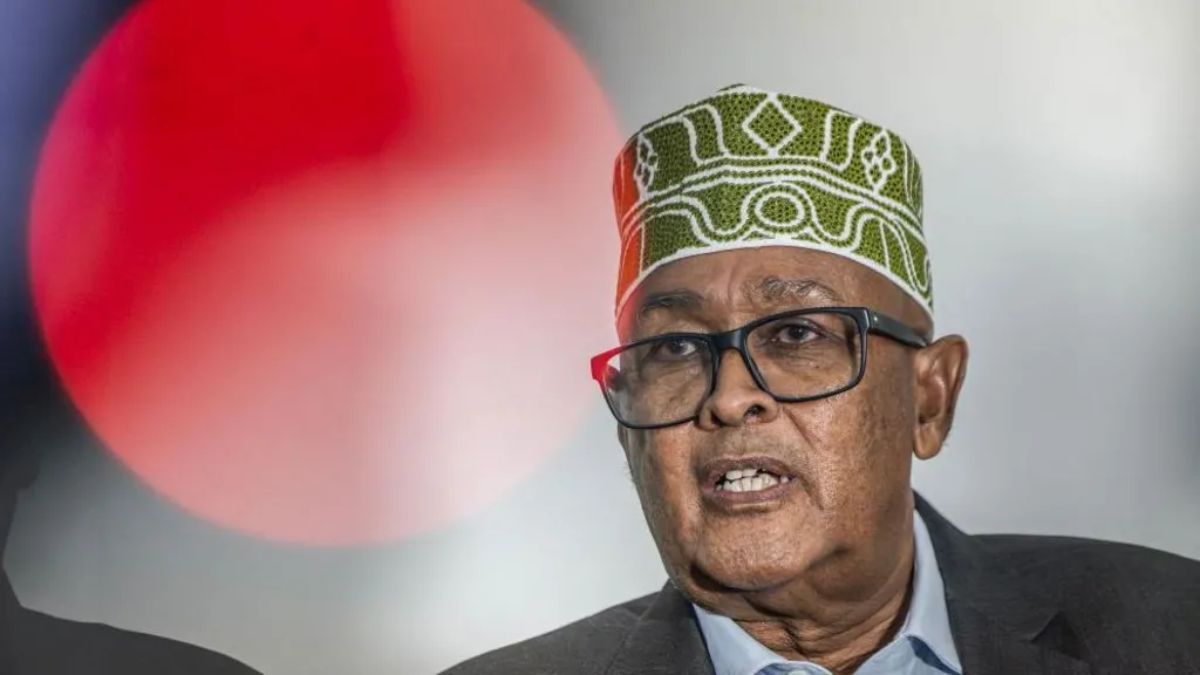
Somaliland’s President Abdirahman Mohamed Abdullahi welcomed the recognition. He described it as a major step toward international engagement. The two countries have agreed to establish full diplomatic ties, including embassies and ambassadors.
Diplomatic Ties and Cooperation Plans
Israel and Somaliland have committed to strengthening bilateral cooperation across multiple sectors. Prime Minister Netanyahu emphasized that the recognition aligns with the spirit of the Abraham Accords, a series of normalisation agreements signed in 2020 with several Arab nations. Somaliland’s president also indicated that his country would join the Abraham Accords, fostering peace and stability in both the Middle East and Africa.
The countries plan to focus on collaboration in agriculture, health, and technology. Israeli officials confirmed that immediate steps would be taken to institutionalise these ties, including formal agreements, exchange programs, and technical support. This partnership is expected to boost Somaliland’s access to international markets and enhance regional economic growth.
Somalia Rejects Recognition
Somalia’s government strongly condemned Israel’s recognition of Somaliland. Prime Minister Hamza Abdi Barre described the move as a “deliberate attack” on Somalia’s sovereignty and warned that it could undermine peace and stability in the Horn of Africa. The Somali Foreign Ministry reiterated that Somaliland remains an integral part of Somalia.
The African Union (AU) also rejected Israel’s decision, highlighting the risks of setting a dangerous precedent by recognising parts of a sovereign state. Mahamoud Ali Youssouf, head of the AU, stressed that Somaliland’s independence challenges Somalia’s territorial integrity and could have broad implications for continental stability.
Regional Response and Diplomatic Concerns
Egypt, Turkey, and Djibouti joined Somalia in condemning Israel’s recognition. In coordinated statements, the four countries reaffirmed support for Somalia’s unity and sovereignty, warning that unilateral recognition could create “parallel entities” undermining international law. Egypt’s foreign minister held talks with counterparts from Somalia, Turkey, and Djibouti to coordinate diplomatic responses.
The critics also raised concerns about Israel’s broader regional agenda, citing possible interference in Somalia’s domestic affairs and regional security dynamics. They emphasized that recognising breakaway regions could destabilise ongoing peace processes and regional cooperation.
Strategic Importance of Somaliland
Somaliland occupies a strategic location on the Gulf of Aden, controlling the north-west tip of Somalia. It has its own currency, passports, and security forces, operating as a de facto independent state. The region has a population of over six million and has been central to disputes involving Somalia, Ethiopia, and Egypt. Last year, Somaliland signed an agreement with Ethiopia to lease a coastal stretch for a port and military base, further highlighting its geopolitical significance.
Also Read: Helicopter Crash on Mount Kilimanjaro 5 People Kills
Israeli analysts note that Somaliland’s location is strategically valuable, particularly for monitoring Yemen and the Houthi rebel movement. The UAE already operates a military base in Berbera, with a port and airstrip used for regional operations. Israel’s recognition could strengthen intelligence cooperation and security coordination in the Horn of Africa.
United States Perspective
The United States remains cautious about recognising Somaliland. Former President Donald Trump expressed opposition, questioning awareness of the region’s status. Some US officials fear recognition could disrupt military cooperation with Somalia, where US forces support operations against al-Shabaab. Despite these concerns, Somaliland has hosted US military delegations, suggesting potential for future strategic partnerships.
Israel recognises Somaliland Political Background
Since its declaration of independence in 1991, Somaliland has maintained a democratic system with peaceful transfers of power. However, recent reports indicate restrictions on political rights and civic space, with opposition figures and journalists facing repression. Despite these challenges, Somaliland has successfully sustained governance structures and security institutions, making it a relatively stable region in a volatile area.
Conclusion
Israel’s recognition of Somaliland represents a historic diplomatic milestone, elevating the region’s international profile. While the decision strengthens bilateral relations and economic prospects, it also intensifies regional tensions, particularly with Somalia and neighbouring states. As Somaliland continues to seek broader recognition, the move may set a precedent for future diplomatic shifts in the Horn of Africa and beyond.