








PIA privatisation completed with guarantee on name and branding
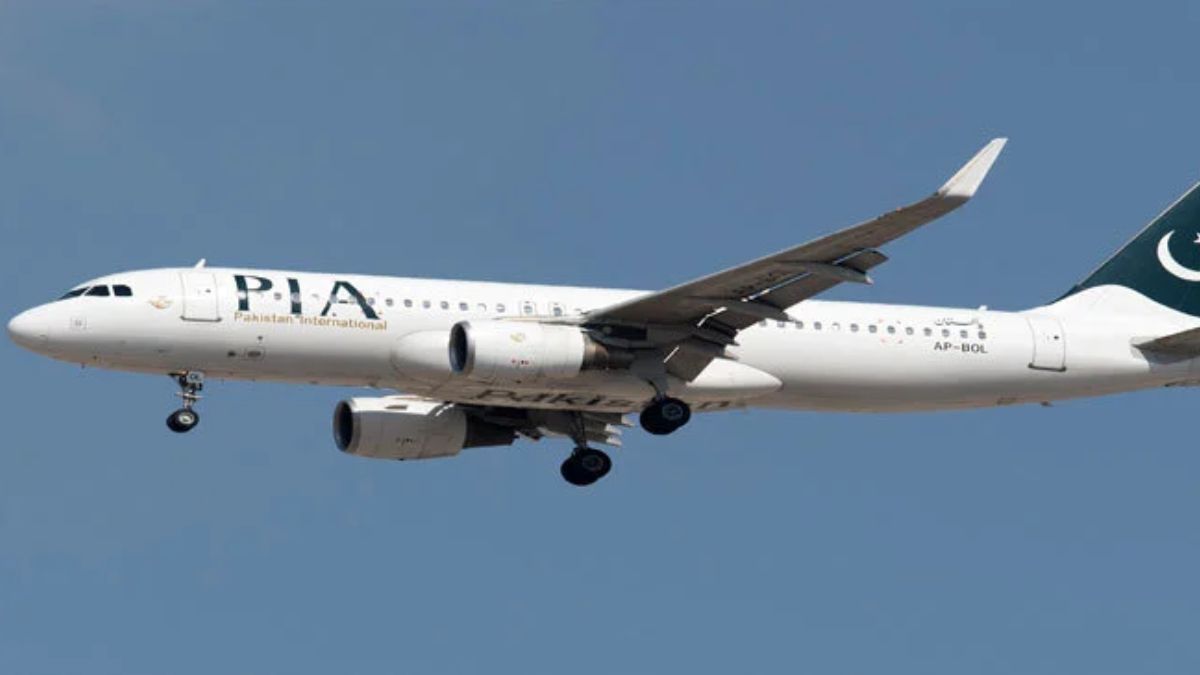
Pakistan International Airlines (PIA) has been privatised, with the federal government confirming that the airline’s national identity will remain unchanged after the sale. Authorities said PIA will continue operating under the same name and logo, despite the transfer of majority ownership to private investors.
The clarification follows the sale of a 75 percent stake in PIA to the Arif Habib Consortium for Rs135 billion. Aviation sector sources said the privatisation agreement allows new owners to introduce administrative and financial reforms, while the airline’s national character, brand, and identity will remain protected.
Also Read:IMF Tax Pressure Rises as Pakistan Tax Revenue Shortfall
The move aims to strike a balance between economic reform and public sentiment, as PIA holds deep emotional and historical value for many Pakistanis. Once regarded as one of Asia’s leading airlines, PIA has long been considered a symbol of national pride, despite decades of operational and financial decline.
Details of the PIA Privatisation Deal
On Tuesday, the Arif Habib Consortium officially emerged as the successful bidder in the privatisation process, acquiring a 75 percent stake in Pakistan International Airlines. The consortium’s bid of Rs135 billion narrowly surpassed that of the Lucky Consortium, which submitted a final offer of Rs134 billion.
Under the terms of the agreement, the government will immediately receive Rs10.2 billion in cash. Officials say the transaction marks Pakistan’s first major large-scale privatisation in nearly two decades and is expected to ease pressure on public finances. According to government estimates, the sale could save taxpayers approximately Rs35 billion annually in subsidies and operational support previously extended to the loss-making airline.
Federal ministers have described PIA as a long-standing financial burden, citing heavy debt, repeated bailouts, and declining competitiveness. They argue that continued state ownership was no longer viable and that privatisation represents a necessary step toward fiscal discipline and economic restructuring.
Fauji Fertilizer Joins as Strategic Partner
Following the acquisition, the Arif Habib Consortium confirmed the inclusion of Fauji Fertilizer Company as a strategic partner in the deal. The participation of a Fauji Foundation–linked entity has been highlighted as a stabilising factor, adding institutional credibility and long-term commitment to the airline’s revival plan.
Representatives of the Arif Habib Group welcomed Fauji Fertilizer’s involvement, stating that the partnership would strengthen governance and accelerate restructuring efforts. Analysts note that the presence of a military-backed institution may help address concerns related to transparency, continuity, and operational discipline.
Investment and Revival Plans
The new owners have outlined an ambitious roadmap for PIA’s transformation. According to consortium officials, plans are in place to invest Rs125 billion over the next year to modernise operations and expand the airline’s fleet. The number of aircraft is expected to increase from the current 18 to 62, significantly boosting capacity and route coverage.
The consortium has also pledged to prioritise passenger experience, improve service quality, and provide PIA employees with better professional platforms. “Improving passenger experience and offering a strong operational platform for employees will be our top priorities,” an Arif Habib Group representative said.
Industry experts say fleet modernisation and operational efficiency will be critical if PIA is to regain competitiveness against regional carriers, particularly in the Middle East and South Asia.
Government’s Economic Rationale
Government officials have defended the privatisation as a pragmatic economic decision rather than an ideological shift. They argue that the state’s primary responsibility lies in governance and regulation, not in running commercial enterprises plagued by inefficiency and political interference.
According to official statements, privatisation is expected to end decades of mismanagement, reduce bureaucratic control, and allow professional leadership to steer the airline toward profitability. Authorities also stress that regulatory oversight will remain in place to safeguard national interests.
Public Criticism and National Sentiment
Despite official optimism, the decision has sparked strong criticism from labour unions, opposition figures, and sections of the public. Critics argue that selling PIA amounts to an admission of state failure and represents the loss of a strategic national asset.
Also Read: FBR Tax Portal Glitches Trigger Nationwide Taxpayer Outrage
For many Pakistanis, PIA’s legacy extends beyond commercial performance. Once a pioneer in Asian aviation, the airline trained staff for other international carriers and set benchmarks for service excellence. Opponents of privatisation contend that internal reforms, accountability, and depoliticisation could have revived the airline without selling majority ownership.
Concerns Over Jobs and Past Privatisation Experiences
Employee job security remains one of the most sensitive issues surrounding the deal. Labour unions have expressed fears of layoffs, workforce downsizing, and changes to employment terms under private management. Comparisons are frequently drawn with the privatisation of Pakistan Telecommunication Company Limited (PTCL), where service quality declined and many experienced employees eventually left.
The PTCL–Etisalat deal, finalised nearly two decades ago, remains controversial due to unresolved disputes and public dissatisfaction. Critics warn that PIA’s privatisation could follow a similar trajectory if not carefully managed.
A Defining Moment for Pakistan’s Aviation Sector
Supporters of the move argue that privatisation was inevitable, given PIA’s mounting debt, overstaffing, and chronic inefficiencies. They believe private ownership offers the airline its last realistic chance for revival, provided reforms are implemented transparently and responsibly.
As PIA enters a new chapter under private control, the preservation of its national identity remains a key assurance from the government. Whether this historic decision leads to a successful turnaround or reinforces public scepticism will depend largely on how effectively the new consortium delivers on its promises in the months and years ahead.