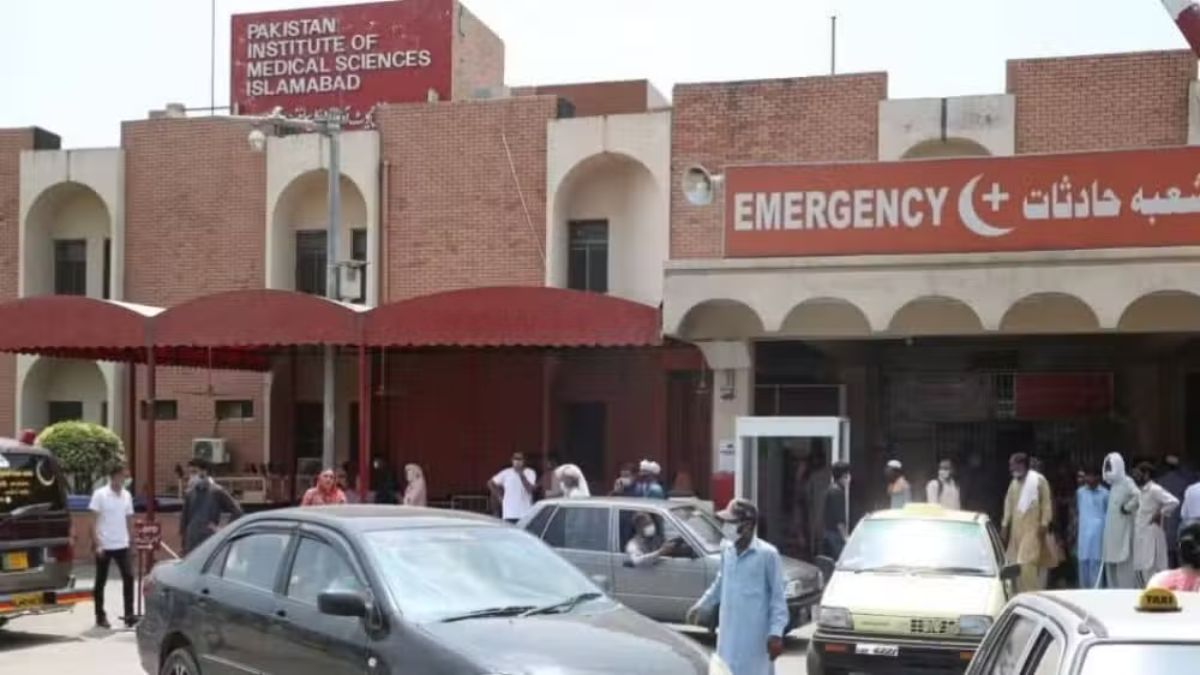










FBR Targets Doctors Tax as 73,000
The Federal Board of Revenue (FBR) has launched an unprecedented enforcement drive targeting doctors across Pakistan amid alarming tax evasion and underreporting in the medical sector. According to official data, over 73,000 high-earning doctors have failed to file their income tax returns, signaling a deep-rooted tax compliance issue in one of the country’s most lucrative professions.
Also Read: Rising HIV Cases in KP: Focus on Women and Children
Tax Filing Crisis Among Doctors
Out of 130,243 registered doctors in Pakistan, only 56,287 submitted their income tax returns this year. This means that more than half of all registered medical practitioners—over 73,000—did not report any income to the FBR, despite operating in highly profitable urban private practices. Officials described this situation as a serious concern, highlighting a widespread culture of tax avoidance among high-income professionals.
Income Discrepancies in Private Practices
The FBR data reveals striking inconsistencies between actual earnings and declared income. Notably:
31,870 doctors declared zero income from private practice in 2025.
307 doctors reported losses despite running busy clinics in major cities.
Only 24,137 doctors acknowledged earning any business income.
These figures indicate that many medical practitioners are underreporting earnings or entirely concealing income from the authorities, raising questions about transparency in the healthcare sector.
Low Tax Payments Despite High Earnings
Even among doctors who filed returns, declared tax payments remain disproportionately low. The FBR report shows:
17,442 doctors earning over Rs. 1 million annually paid an average of Rs. 1,894 per day in taxes.
10,922 doctors with annual receipts between Rs. 1 million and Rs. 5 million paid just Rs. 1,094 per day.
3,312 doctors in the Rs. 5–10 million bracket paid an average of Rs. 1,594 per day.
3,327 top earners exceeding Rs. 10 million reported only Rs. 5,500 per day in taxes.
Also Read: California Egg Recall Salmonella Warning Hits Vega Farms
These figures are startling, especially considering many doctors charge Rs. 2,000–10,000 per patient, yet their tax payments are lower than the revenue from a single consultation. Meanwhile, low-income doctors and those reporting zero receipts collectively claimed Rs. 1.3 billion in tax refunds, further highlighting inconsistencies.
Comparisons with Government Salaries
The situation becomes even more glaring when compared with government officers. A Grade 17–18 salaried officer pays more in monthly taxes than many doctors contribute over an entire quarter, despite having significantly lower earning flexibility. This inequity underscores the urgent need for stricter enforcement of tax laws within high-income sectors.
Doctor Tax System
The underreporting and non-filing of taxes by doctors raise fundamental concerns about tax fairness and revenue sustainability. If high-earning professionals continue to evade taxes, the burden shifts disproportionately to salaried individuals and other easily traceable sources of income. The FBR’s crackdown sends a clear message: tax compliance is no longer optional for high-income sectors, particularly in professions like medicine.
Government Enforcement Measures
In response to the findings, the FBR has intensified its monitoring of doctors, employing data analytics and cross-referencing with banking transactions to identify underreporting. The enforcement drive aims to:
Increase tax filing among medical practitioners.
Recover underpaid taxes and fraudulent refunds.
Promote transparency and compliance in high-income sectors.
Also Read: Rising HIV Cases in KP: Focus on Women and Children
Officials stressed that non-compliance among doctors not only undermines Pakistan’s tax base but also creates inequities in the system, as compliant taxpayers shoulder a larger proportion of the national revenue burden.
Why Compliance Matters
High-earning sectors like medicine play a critical role in sustaining Pakistan’s revenue system. Taxes collected from doctors could significantly support healthcare, education, and infrastructure development. However, widespread non-filing and underreporting threaten the country’s fiscal stability and erode public trust in the tax system.
The FBR’s move to target doctors for tax evasion, concealment of income, and non-filing of returns is therefore a necessary step toward equitable taxation and sustainable revenue growth.
Conclusion
The FBR’s crackdown on doctors highlights a serious tax compliance crisis in Pakistan’s medical sector. With over 73,000 high-earning doctors failing to report income and many underpaying taxes, the government is taking decisive action to enforce accountability. Moving forward, stricter monitoring, data-driven enforcement, and penalties for non-compliance are expected to ensure that high-income professionals contribute their fair share, strengthening the country’s tax system and fiscal health.